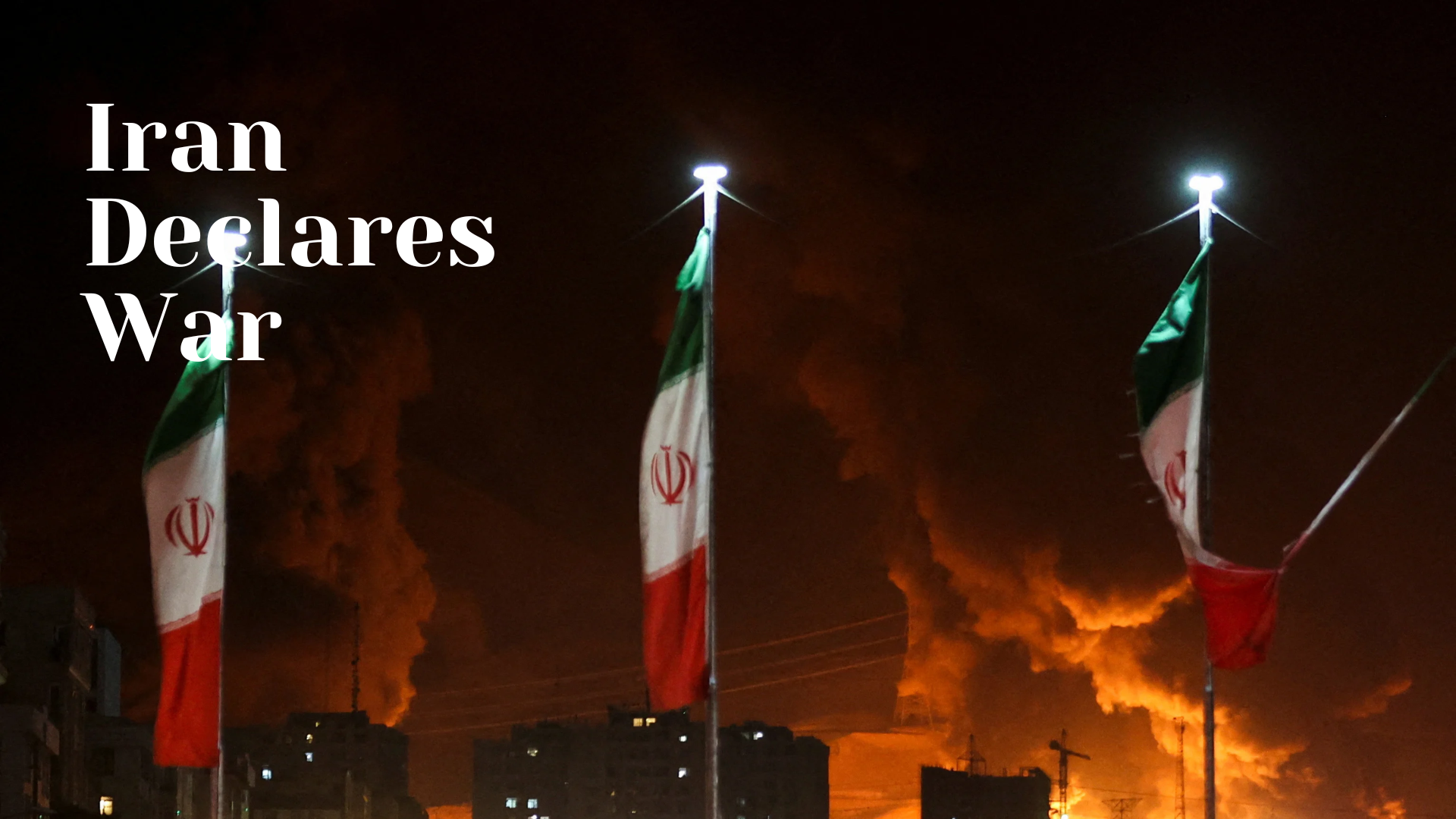
Tehran — In recent statements, Iranian leaders have framed the current geopolitical environment as one of significant strategic tension involving the United States, Israel, and several European nations. Officials in Tehran describe a situation they consider serious enough to warrant full preparedness, emphasizing that Iran is closely monitoring developments and is ready to respond if necessary.
These remarks have drawn global attention, but they reflect a mixture of strategic messaging and caution rather than an announcement of active military action. The comments are part of a broader pattern of political statements and positioning by Iran in the context of longstanding regional and international disputes.
How Iranian Officials Described the Situation
Iran’s president characterized the situation as more than typical diplomatic disagreement, framing it as a high-stakes confrontation with Western powers. According to statements made publicly, recent actions by the United States, Israel, and certain European countries have led Tehran to view the environment as a serious challenge to its national interests. Officials emphasized that Iran is prepared to defend its sovereignty and national security if directly threatened.
Other senior Iranian figures reinforced this message, stressing readiness and deterrence. They described measures intended to safeguard the country’s security, while also asserting that Tehran seeks to avoid unnecessary escalation. The emphasis has been on being prepared for potential future confrontations rather than initiating offensive operations.
Context of Regional Tensions
The remarks come amid ongoing tensions in the Middle East. Throughout 2025, there have been incidents of heightened military activity, exchanges of warnings, and strategic maneuvers by multiple actors in the region. These developments include prior military encounters, sanctions, and diplomatic disagreements, all of which contribute to the backdrop against which Iran is framing its current posture.
Iranian officials point to past pressures, sanctions, and regional incidents as factors shaping their statements. The leadership’s focus on preparation reflects concerns about security challenges and the potential for rapid escalation in response to external threats.
Understanding the Rhetoric
It is important to differentiate between rhetorical framing and an actual declaration of war. Iranian officials’ use of phrases like “full-scale confrontation” or “total war” is primarily intended as a political and strategic signal. Such language communicates determination and readiness to both domestic and international audiences, while carefully avoiding actions that would constitute an official declaration of hostilities under international law.
Experts note that in diplomatic contexts, statements of readiness or heightened alert often serve as deterrence. By signaling preparedness, Iran is attempting to discourage aggressive moves from other nations while preserving flexibility in negotiations and regional strategy.
Diplomatic Reactions and International Engagement
Leaders around the world have taken note of Iran’s remarks. While some view the statements as political posturing, international partners continue to emphasize the importance of dialogue, de-escalation, and negotiation. Diplomatic channels remain open, focusing on issues such as nuclear program oversight, economic sanctions, regional security, and the stability of maritime corridors vital to global trade.
Iranian authorities have publicly stated that they do not seek conflict, highlighting that defensive readiness is intended to maintain sovereignty and national security. At the same time, the messaging signals that Tehran will protect its interests if external pressures escalate beyond a certain point.
Historical and Strategic Context
Iran’s positioning today must be seen against decades of regional and international dynamics. Past conflicts, shifting alliances, economic sanctions, and political rivalries all influence Tehran’s strategic calculations. Statements about confrontation often reflect a combination of domestic political considerations, regional strategy, and international signaling.
Throughout history, similar declarations have been used to communicate strength, bolster domestic confidence, and clarify national priorities without triggering active military engagements. The careful balance between deterrence and restraint is central to understanding Iran’s current messaging.
Implications for Regional Stability
The statements underscore the sensitivity of geopolitical developments in the Middle East. While the rhetoric is strong, officials consistently highlight that Iran seeks stability and aims to avoid unnecessary escalation. Analysts note that this approach helps maintain a degree of predictability, allowing other nations to respond diplomatically rather than through reactive military measures.
International observers continue to stress restraint, urging Iran and other nations in the region to prioritize negotiation and communication channels. Coordination among global powers, regional actors, and multilateral organizations remains essential in preventing misunderstandings or unintentional escalation.
Key Takeaways
- Iranian leadership has publicly framed relations with the United States, Israel, and Europe as a serious confrontation, emphasizing preparedness and deterrence.
- Officials have stressed defensive readiness rather than announcing active military operations.
- The statements reflect a blend of domestic political considerations, strategic messaging, and regional security concerns.
- Diplomatic efforts and calls for dialogue remain central to reducing tensions and avoiding escalation.
- The current rhetoric should be understood as signaling and positioning rather than a declaration of open conflict.
Looking Ahead
As the situation evolves, careful monitoring of official statements, actions on the ground, and diplomatic developments is essential. Analysts suggest that continued engagement through multilateral forums, negotiation channels, and regional cooperation remains the most likely path to managing tensions.
Iran’s leadership will likely continue to emphasize readiness and deterrence while also participating in diplomatic discussions to protect national interests and maintain regional stability. Observers worldwide remain alert to changes in tone, strategy, and activity, recognizing the importance of distinguishing between political rhetoric and military action.
Iran’s recent statements reflect a heightened sense of alert and strategic positioning. While the language used by officials is firm, it is focused on preparedness and deterrence rather than active conflict. Diplomatic engagement, monitoring, and communication remain key tools for managing tensions and ensuring stability in the region.
This approach allows Iran to convey determination while leaving space for negotiation and peaceful resolution, underscoring the complexity of modern geopolitics and the careful balance required to avoid escalation.