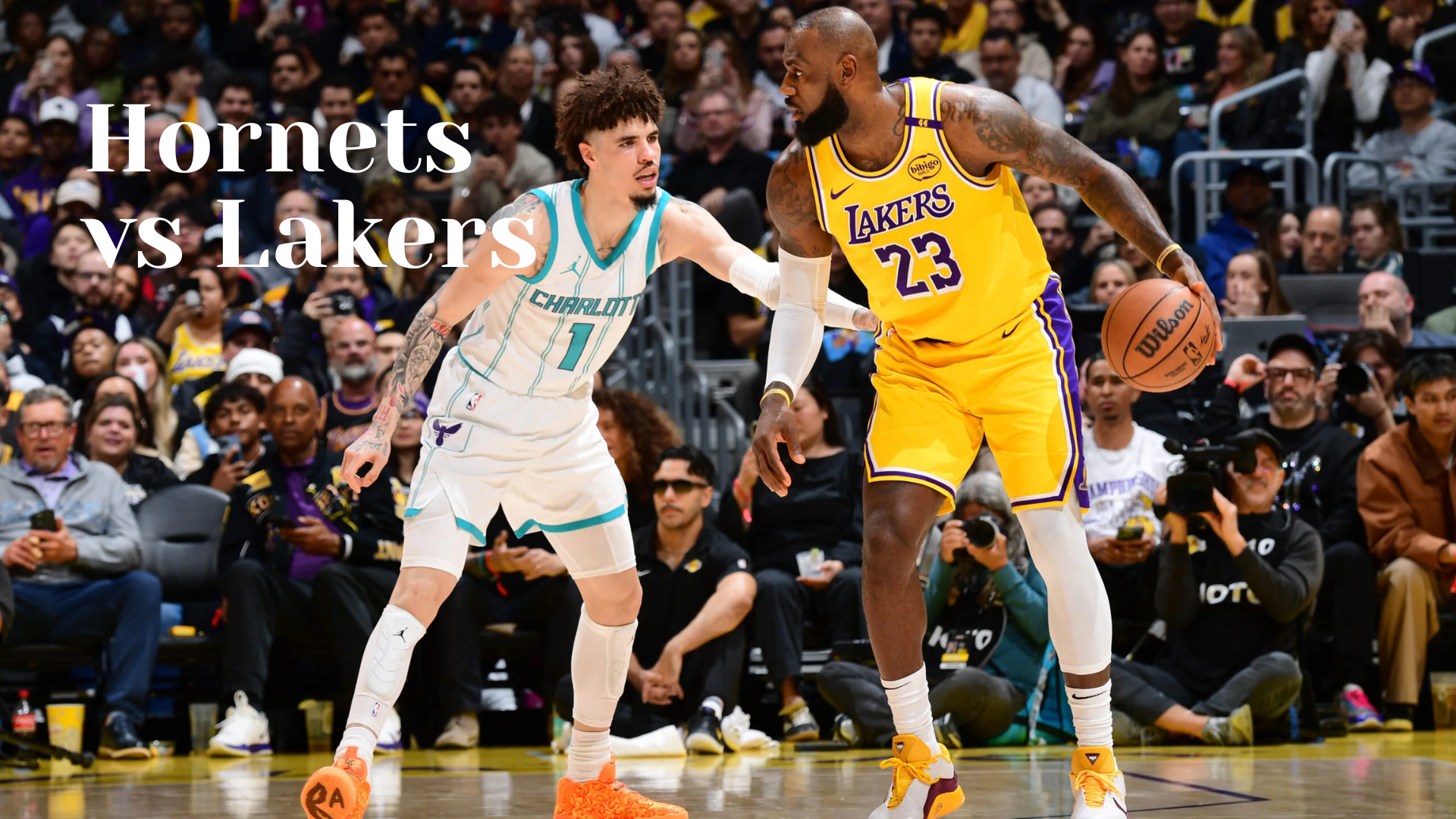
When the Charlotte Hornets face the Los Angeles Lakers, the game often feels like more than just a regular-season matchup. It becomes a snapshot of where both franchises stand in their respective journeys. One represents a team still searching for stability and identity, while the other carries the weight of championships, expectations, and constant pressure to contend. On the surface, it may look like a simple East-versus-West contest, but the deeper story is about contrast, development, star power, and the evolving dynamics of today’s NBA.
The Hornets and Lakers enter games against each other with very different pressures. For Charlotte, each matchup is an opportunity to test young talent, measure progress, and build confidence against a globally recognized opponent. For Los Angeles, anything less than a convincing performance often triggers criticism, debate, and scrutiny from fans and analysts alike. This imbalance in expectations shapes the way both teams approach the game.
Charlotte’s rebuilding process has been marked by flashes of promise mixed with long stretches of inconsistency. The Hornets have leaned heavily on youth, hoping that player development will eventually translate into sustained success. When they face a team like the Lakers, it becomes a measuring stick. These games reveal how far the Hornets have come in terms of discipline, execution, and mental toughness, especially when playing against elite stars and under the bright lights that follow Los Angeles everywhere.
The Lakers, on the other hand, approach these matchups with little room for experimentation. Every game is viewed through the lens of championship contention. Rotations, defensive effort, and late-game execution are all scrutinized. Against a team like Charlotte, the expectation is control. Anything that resembles a struggle raises questions about focus, depth, and consistency. That pressure can sometimes work against Los Angeles, especially if the opponent plays freely with nothing to lose.
From a tactical perspective, Hornets vs Lakers games often revolve around pace and physicality. Charlotte tends to look for opportunities in transition, using speed and spacing to create open looks. When that approach works, the Hornets can keep games closer than expected. However, when forced into half-court sets, their lack of experience sometimes becomes apparent. Shot selection can suffer, and defensive rotations may break down against a veteran-heavy Lakers squad.
Los Angeles usually looks to establish control through size, strength, and experience. Their offensive sets are designed to create high-percentage opportunities, particularly near the rim or from reliable perimeter shooters. Defensively, the Lakers aim to disrupt rhythm early, forcing younger teams like Charlotte into rushed decisions. When that strategy succeeds, the game can tilt quickly in Los Angeles’ favor.
One of the most interesting aspects of Hornets vs Lakers matchups is the psychological element. Younger Charlotte players often view these games as a chance to make a statement. Playing against one of the league’s most famous franchises can bring extra energy and focus. At times, that adrenaline leads to inspired performances. At other times, it results in mistakes caused by trying to do too much.
For the Lakers, maintaining intensity against a lower-ranked opponent can be a challenge. NBA seasons are long, and motivation naturally fluctuates. Games against teams like Charlotte test the Lakers’ professionalism. When they lock in defensively and play with purpose, the difference in experience becomes clear. When they don’t, the Hornets have shown they are capable of keeping games competitive deep into the fourth quarter.
Another key storyline in these matchups is how each team handles momentum swings. Charlotte has struggled at times to stop runs once they begin. A few missed shots or defensive lapses can quickly snowball. Against a team like the Lakers, those moments are especially dangerous because Los Angeles knows how to capitalize. Veteran players recognize when to push the pace and when to slow things down, a skill that often separates contenders from rebuilding teams.
Charlotte’s success against the Lakers often depends on efficiency. Turnovers are particularly costly. When the Hornets protect the ball and convert open shots, they can apply pressure and force the Lakers to stay engaged. Conversely, sloppy play almost always leads to fast-break opportunities that swing momentum decisively toward Los Angeles.
The crowd factor also plays a role, particularly when the game is in Los Angeles. The Lakers’ home environment brings a level of attention that few arenas can match. Young Hornets players must adjust to the noise, the spotlight, and the emotional swings of the crowd. How they respond can influence not only the outcome of the game but also their growth as professionals.
From a broader league perspective, Hornets vs Lakers games highlight the NBA’s competitive balance challenges. While the league strives for parity, market size, historical success, and star attraction still matter. The Lakers benefit from decades of prestige, while the Hornets continue to work toward building a sustainable winning culture. These matchups underscore how difficult that climb can be.
Yet, there is value for both sides. For Charlotte, facing the Lakers provides clarity. Coaches can evaluate how players respond under pressure, how defensive schemes hold up, and where adjustments are needed. These lessons matter more than the final score in the long run. For Los Angeles, such games offer a chance to refine habits, test depth, and reinforce the standards expected of a contender.
As the NBA continues to evolve, matchups like Hornets vs Lakers serve as reminders that every game carries its own significance. Not all contests are about playoff positioning or title implications. Some are about development, discipline, and identity. Others are about maintaining excellence and meeting expectations. When these two teams meet, both stories unfold on the same court.
In the end, Hornets vs Lakers is less about rivalry and more about perspective. It shows where each franchise stands, what challenges lie ahead, and how different paths shape different expectations. For fans, it offers a compelling contrast. For players and coaches, it provides lessons that extend far beyond a single night on the schedule.