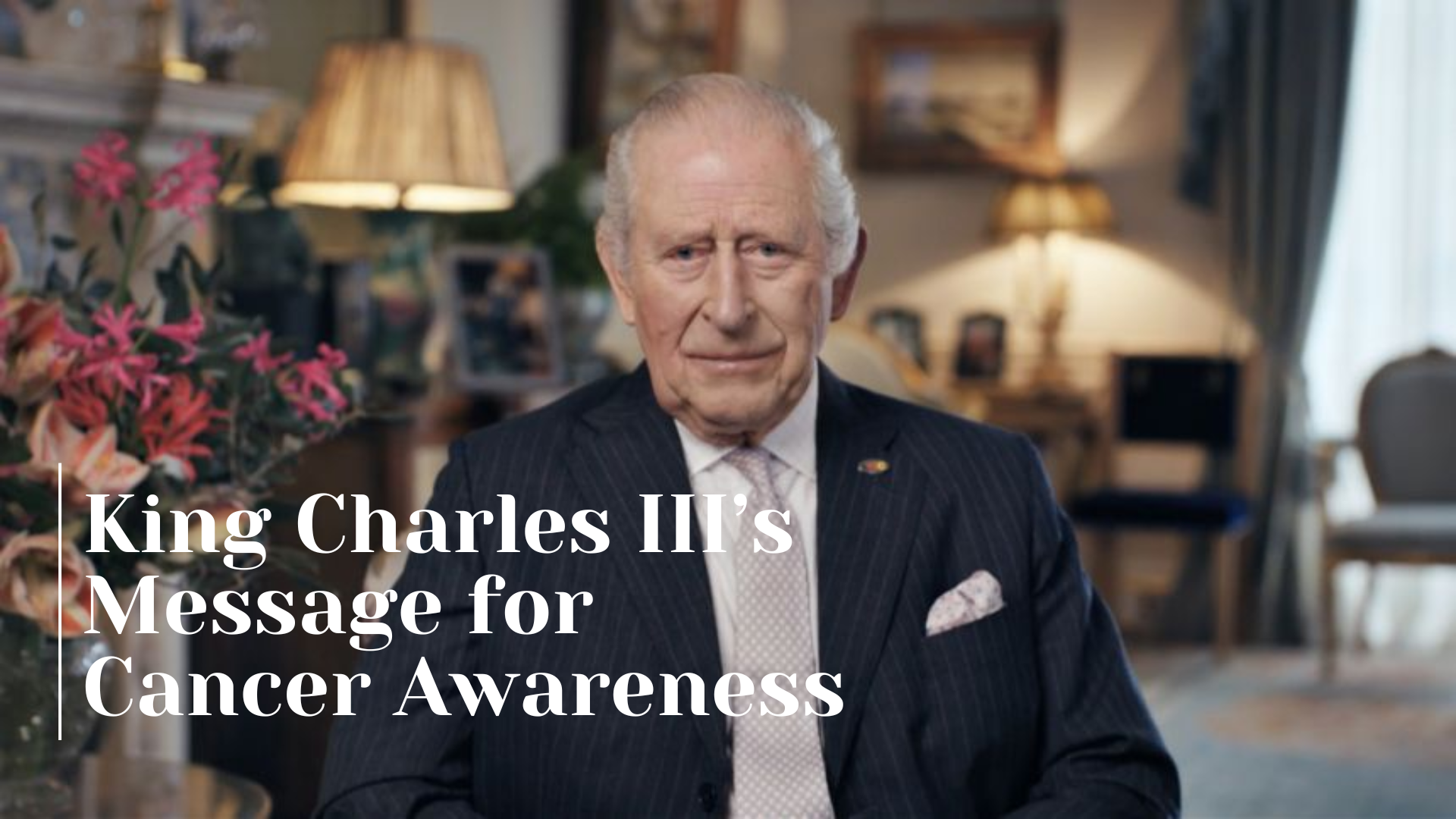
King Charles III has delivered a deeply personal message about cancer, using his position to highlight the emotional toll of the disease and the importance of early diagnosis, support, and compassion for those affected. The message, released several months after Buckingham Palace confirmed the King was undergoing treatment, marked one of the most open acknowledgements by a reigning British monarch of a serious personal illness.
In his statement, King Charles reflected not only on his own experience but also on the shared reality faced by millions of people worldwide who live with cancer, either as patients, survivors, or caregivers. He described the diagnosis as a moment that brings fear and uncertainty, but also one that can reveal extraordinary kindness and resilience.
“Every diagnosis, every new case, will be a daunting and sometimes frightening experience,” the King said, acknowledging the shock many feel when first confronted with the disease. “But as someone who is now among those statistics myself, I can vouch for the fact that it can also be an experience that brings into sharp focus the very best of humanity.”
The Palace has not disclosed the specific type of cancer affecting the King, a decision that reflects longstanding royal practice around medical privacy. However, officials confirmed that the illness was discovered during treatment for an unrelated condition and that the King began a programme of treatment shortly thereafter. He has continued to carry out some official duties while stepping back from others on medical advice.
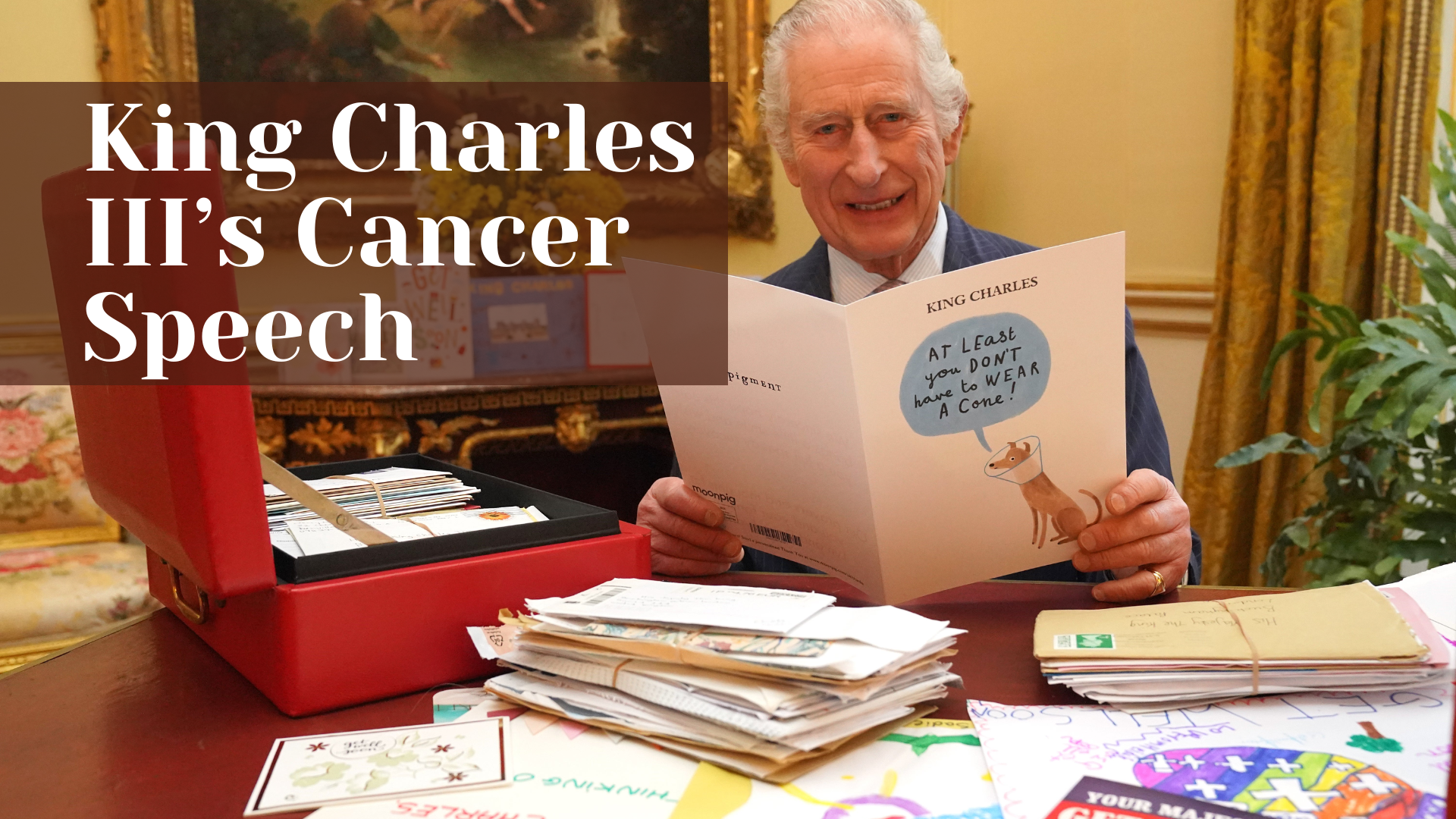
A Shift in Royal Tone
Royal observers have noted that the King’s message represents a shift toward greater openness from the monarchy on issues of health. While members of the royal family have previously supported cancer charities and awareness campaigns, direct personal testimony from a reigning monarch remains uncommon.
By speaking publicly, King Charles has drawn attention to the emotional dimensions of cancer, including the strain placed on families and caregivers. He praised healthcare workers, volunteers, and charitable organisations, describing their work as “the quiet heroism” that sustains patients during treatment.
His words were widely interpreted as an effort to reduce stigma and encourage people to seek medical advice earlier rather than delaying out of fear. Health experts have long stressed that early detection significantly improves outcomes for many types of cancer, yet hesitation and denial remain common barriers.
Public Reaction
The message prompted an outpouring of public support across the United Kingdom and beyond. Cancer charities welcomed the King’s remarks, saying they would help normalise conversations about diagnosis and treatment. Patient advocacy groups noted that hearing such a message from a figure of global visibility could encourage people to attend screenings or speak openly about their symptoms.
Political leaders from across the spectrum offered messages of goodwill, emphasising the King’s role as a unifying figure during moments of shared vulnerability. Social media platforms were filled with personal stories from cancer survivors and families, many expressing appreciation for the King’s choice to address the issue directly.
Continuing Duties During Treatment
Despite his diagnosis, King Charles has remained engaged in state affairs, maintaining regular briefings with the Prime Minister and carrying out limited public engagements. Palace officials have repeatedly stressed that his treatment is progressing positively, though they have avoided offering specific timelines or details.
Queen Camilla has taken on additional public responsibilities during this period, and senior members of the royal family have stepped in to support ceremonial duties. The approach reflects an effort to balance transparency with stability, reassuring the public while respecting medical boundaries.
A Broader Message for Everyone
While the message was personal, its broader focus was unmistakable. King Charles used the opportunity to highlight the collective nature of the fight against cancer, pointing to the role of research funding, community support, and healthcare access. He emphasised that compassion and understanding can be as vital as medical treatment itself.
“Cancer does not discriminate,” he noted, underscoring that the disease affects people regardless of background or status. “It touches families, friends, and communities in ways that are often unseen.”
Health professionals echoed this sentiment, noting that public figures speaking openly about illness can help dismantle misconceptions and fears. Studies have shown that high-profile disclosures often lead to increased awareness and screening participation, a phenomenon sometimes referred to as the “celebrity effect” in public health.
Historical Context
The British monarchy has traditionally maintained strict privacy around health matters. Past monarchs often concealed illnesses to avoid uncertainty about succession or governance. In recent decades, however, there has been a gradual move toward limited transparency, reflecting changing public expectations.
King Charles’ message aligns with that evolution, combining personal restraint with a clear public purpose. Rather than focusing on prognosis or treatment specifics, the statement centered on shared human experience and social responsibility.
What’s Next
Buckingham Palace has indicated that the King will continue treatment while gradually increasing public engagements as advised by doctors. Officials have asked for continued respect for his privacy, particularly regarding medical details.
For many observers, the significance of the message lies not in the specifics of the King’s condition but in the example it sets. By addressing cancer openly and empathetically, King Charles has used his platform to foster understanding, encourage early action, and remind the public that illness, even at the highest levels of society, is a shared human challenge.
As the King continues his recovery, his words are likely to resonate far beyond the walls of the palace — reaching patients in hospitals, families at home, and communities seeking reassurance that compassion and solidarity remain powerful forces in the face of illness.
Beyond his personal message, the King also highlighted the importance of community support in the fight against cancer. He urged families and friends to maintain open conversations with loved ones facing illness, emphasizing that emotional encouragement can be as crucial as medical treatment. King Charles called on public institutions and private organizations to continue funding research and improving access to care, particularly for vulnerable populations. By sharing his experience, he sought to inspire hope and underscore that, while cancer remains a serious challenge, early detection, compassion, and societal solidarity can make a meaningful difference in outcomes for patients and their families.