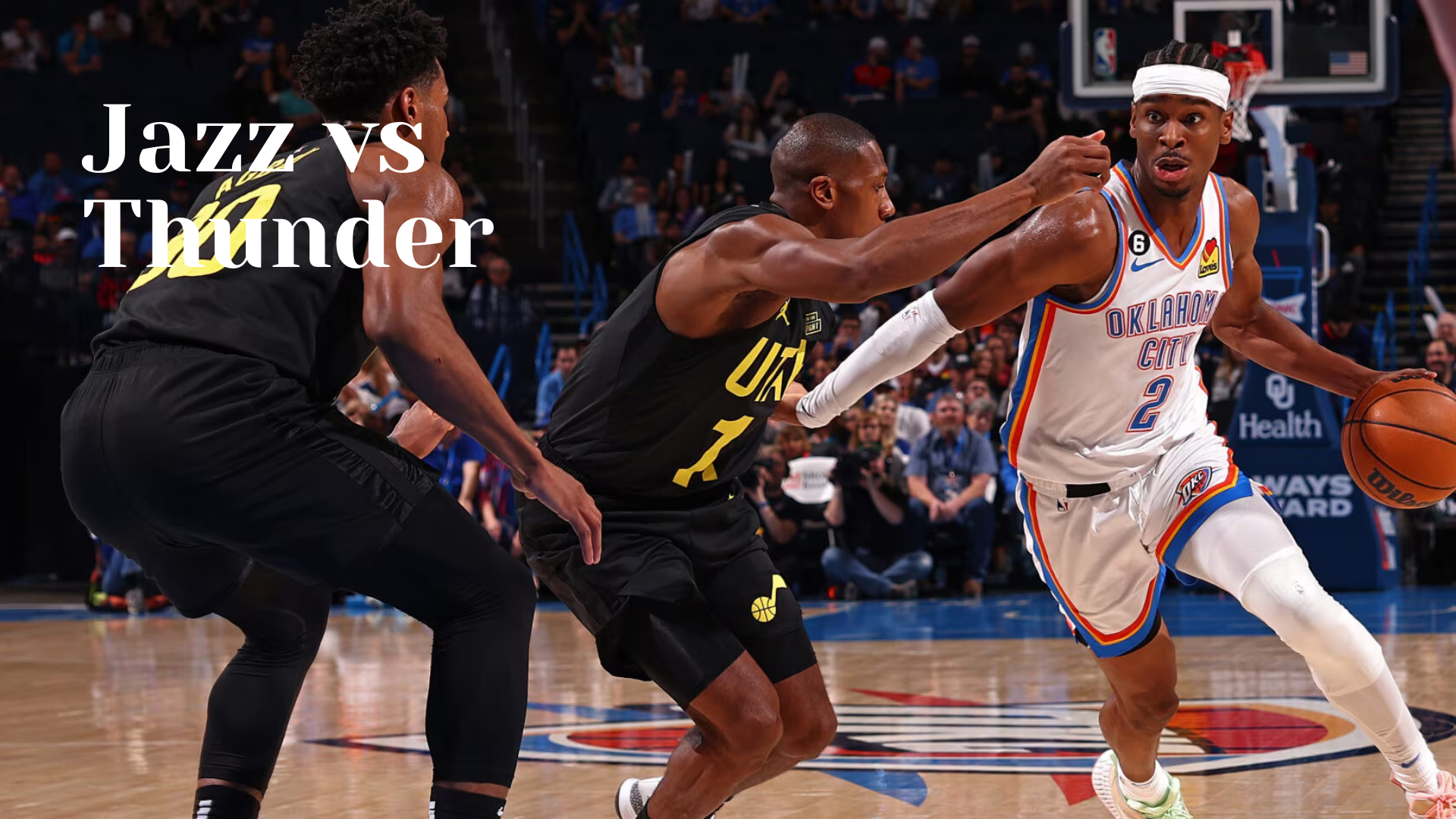
The matchup between the Utah Jazz and the Oklahoma City Thunder in the 2025–26 NBA season delivered one of the most gripping games of the year. What initially looked like another routine win for a surging Thunder team turned into an intense battle that required overtime to decide, showcasing star power, young talent, and the fine margins that define modern NBA basketball. The game not only entertained fans but also highlighted where both franchises currently stand and where they might be headed.
A High-Intensity Western Conference Clash
When the Jazz traveled to Oklahoma City for this contest, expectations were tilted heavily in favor of the Thunder. Oklahoma City entered the game as one of the top teams in the Western Conference, playing with confidence, depth, and a clear identity built around speed, defense, and elite shot creation. Utah, on the other hand, came in as a rebuilding team, sitting lower in the standings and searching for consistency amid a season focused as much on development as on results.
Despite those expectations, the game unfolded in dramatic fashion, ending with a 129–125 overtime victory for the Thunder, but only after Utah pushed one of the league’s strongest teams to its limit.
Shai Gilgeous-Alexander Takes Over
The defining figure of the night was Shai Gilgeous-Alexander, who delivered a performance that will be remembered as one of the season’s best individual outings. He finished the game with 46 points, carrying Oklahoma City through difficult stretches and completely taking over when the game was on the line.
Shai’s scoring came from everywhere on the floor. He attacked the rim with control, punished defenders in the midrange, and calmly knocked down free throws under pressure. His most important moment came at the end of regulation, when he hit a clutch shot to tie the game and force overtime, silencing a Jazz bench that had begun to believe an upset was within reach.
In overtime, Gilgeous-Alexander elevated his game even further, scoring repeatedly and dictating the pace. Utah simply had no answer for his combination of patience, footwork, and confidence. His performance was not just about points; it was about leadership and the ability to rise when everything is at stake.
Strong Support from the Thunder Core
While Shai was the headline, the Thunder did not win this game alone. Chet Holmgren played a crucial role, finishing with 23 points and 12 rebounds. Holmgren’s presence in the paint altered shots defensively and provided Oklahoma City with second-chance opportunities on offense. His ability to stretch the floor while still protecting the rim continues to make him one of the most impactful young big men in the league.
Jalen Williams added steady scoring and defensive effort, contributing 17 points and providing balance to the Thunder offense. His versatility allowed Oklahoma City to stay flexible, especially during moments when Utah adjusted defensively. Bench contributions also mattered, as the Thunder leaned on depth to survive cold shooting stretches and foul trouble.
Utah Jazz Show Grit and Growth
Despite the loss, the Jazz walked away with their heads held high. This was not the performance of a team simply going through the motions of a rebuilding season. Utah played with energy, discipline, and belief, pushing a conference leader into overtime on the road.
Lauri Markkanen once again proved why he remains the cornerstone of the franchise. He recorded 29 points and 13 rebounds, consistently finding ways to score against a strong Thunder defense. Whether attacking mismatches, knocking down jumpers, or battling on the boards, Markkanen was Utah’s stabilizing force.
Perhaps the most encouraging sign for Jazz fans was the performance of Keyonte George, who posted 25 points and 11 assists. George showed maturity beyond his years, balancing scoring with playmaking and demonstrating poise in late-game situations. His ability to create for teammates while also hitting big shots suggests that Utah’s backcourt future has real promise.
Jusuf Nurkić also made a strong impact with 15 points and 15 rebounds, controlling the glass and providing physicality inside. His presence helped Utah compete in the paint and slowed Oklahoma City’s fast-paced attack during key stretches.
Game Flow and Momentum Shifts
The Thunder started strong, jumping out to an early lead behind aggressive defense and quick scoring runs. Their energy in the first quarter hinted at a comfortable win, but Utah responded with composure. The Jazz adjusted offensively, increased ball movement, and began exploiting gaps in transition defense.
By halftime, the game had settled into a back-and-forth rhythm. Utah’s improved shooting and rebounding kept them within striking distance, while Oklahoma City relied heavily on Gilgeous-Alexander to maintain control.
The fourth quarter was where the drama truly unfolded. Utah surged late, even taking a narrow lead in the final seconds after a putback basket that stunned the home crowd. With time nearly expired, it appeared the Jazz had completed a remarkable upset. Then came Shai’s game-tying shot, sending the contest into overtime and completely shifting the emotional momentum.
In the extra period, the Thunder’s experience and star power prevailed. Oklahoma City outscored Utah 15–11 in overtime, capitalizing on free throws and timely defensive stops to secure the win.
What This Game Says About the Thunder
For Oklahoma City, this game reinforced their status as a legitimate contender. Even on a night when they struggled from three-point range and faced unexpected resistance, they found a way to win. That ability to survive imperfect performances is often what separates good teams from great ones.
The Thunder’s reliance on Gilgeous-Alexander in crunch time is both a strength and a challenge. While his brilliance is undeniable, games like this also highlight the importance of continued development from the supporting cast to ease the burden in high-pressure moments.
Defensively, Oklahoma City showed resilience, tightening up when it mattered most. Their ability to adjust late and execute in overtime reflects strong coaching and growing maturity from a young roster.
What This Game Says About the Jazz
For Utah, the loss was painful but meaningful. Competing toe-to-toe with one of the league’s best teams on the road sends a clear message: this is not a roster lacking effort or potential. The Jazz are developing an identity built around toughness, ball movement, and young talent gaining real experience.
Close losses like this can be defining moments in a rebuilding season. They expose areas for improvement, particularly late-game execution and defensive consistency, but they also build confidence. Performances from Markkanen and George suggest Utah has pieces capable of forming a competitive core in the years ahead.
Broader Season Context
This game also reflected the contrasting trajectories of the two franchises. The Thunder are in win-now mode, aiming for high playoff seeding and a deep postseason run. Every game is about refining execution and maintaining momentum.
The Jazz, meanwhile, are balancing development with competitiveness. Their focus is on growth, evaluating young players, and building chemistry. Pushing a top team into overtime aligns perfectly with that goal, even if the standings don’t reflect immediate success.
Fan and League Reaction
Fans and analysts widely praised the intensity and quality of the game. Thunder supporters celebrated Gilgeous-Alexander’s heroic performance and the team’s ability to close under pressure. Jazz fans, though disappointed by the result, expressed optimism, viewing the game as evidence that the rebuild is moving in the right direction.
Around the league, the matchup was seen as another reminder of how dangerous Oklahoma City can be and how Utah, despite its record, should not be underestimated on any given night.
The Jazz vs Thunder overtime battle in 2026 was more than just another regular-season game. It was a showcase of elite star power, emerging talent, and the unpredictable beauty of NBA basketball. Oklahoma City’s 129–125 overtime win reaffirmed their contender status, driven by a sensational performance from Shai Gilgeous-Alexander. Utah’s near-upset, powered by Lauri Markkanen and Keyonte George, highlighted resilience and long-term promise.
As the season moves forward, this game will be remembered as a turning point of confidence for the Jazz and a test of character that the Thunder successfully passed. When these two teams meet again, expectations will be higher, tension will be greater, and fans will be watching closely.