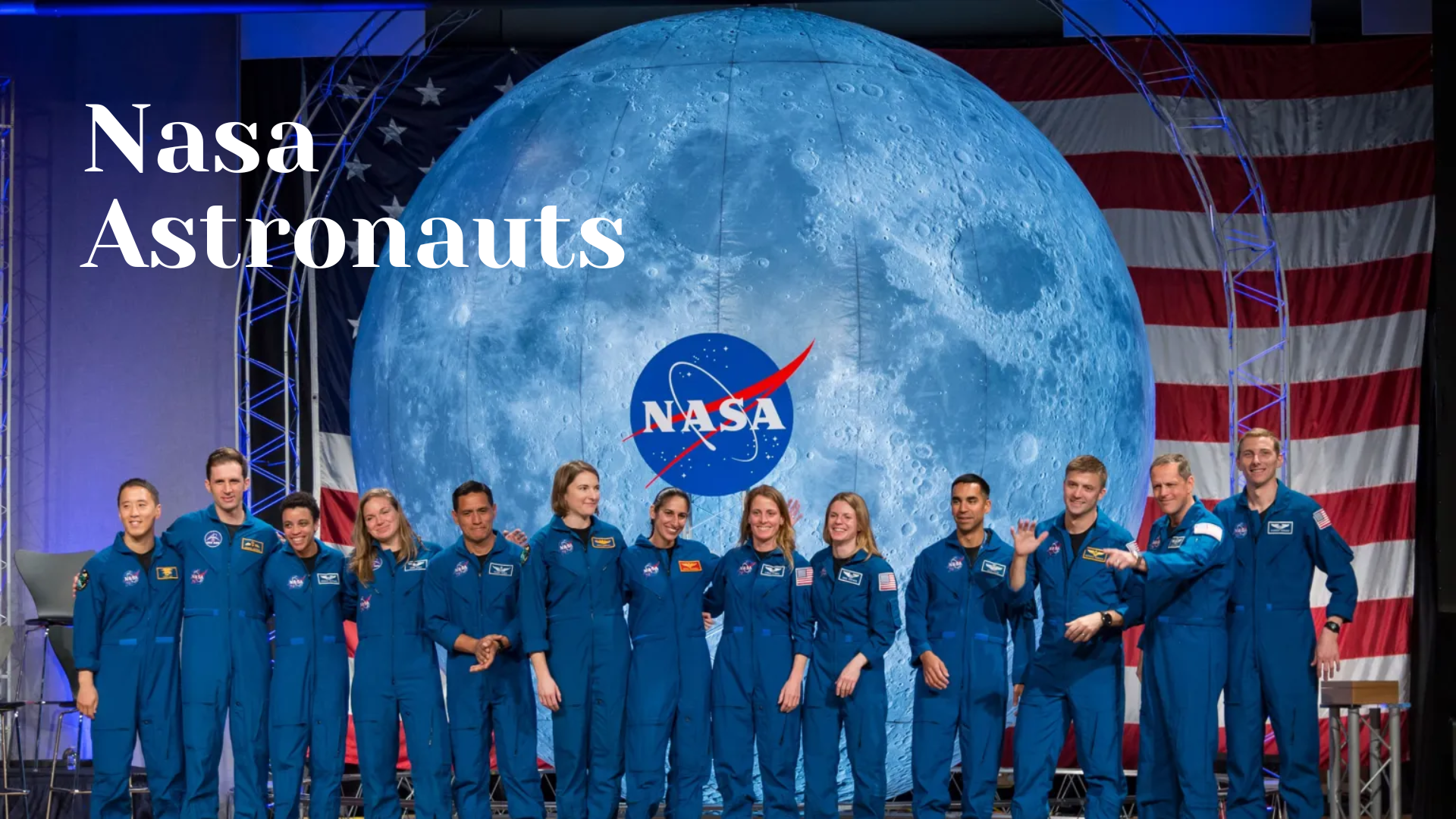
NASA astronauts represent the very edge of human ambition, courage, and scientific curiosity. From the earliest days of space exploration to modern missions aboard advanced spacecraft, these individuals have played a central role in expanding humanity’s understanding of the universe. Trained to operate in some of the most extreme environments imaginable, NASA astronauts are not only explorers but also scientists, engineers, and ambassadors for Earth. Their missions continue to inspire generations and shape the future of space travel.
The journey of NASA astronauts began during the intense space race of the twentieth century, when space was seen as the next great frontier. Early missions focused on proving that humans could survive beyond Earth’s atmosphere. Those first astronauts faced enormous risks, limited technology, and unknown dangers. Yet their success laid the foundation for long-duration spaceflight, orbital research, and human presence beyond Earth. Over time, NASA astronauts evolved from test pilots into highly specialized professionals with diverse academic and technical backgrounds.
Becoming a NASA astronaut is one of the most competitive achievements in the world. Candidates are selected through a rigorous process that evaluates physical fitness, academic excellence, professional experience, and psychological resilience. Astronaut candidates often come from backgrounds such as aerospace engineering, medicine, physics, military aviation, and scientific research. Once selected, they undergo years of intensive training designed to prepare them for every possible scenario in space, from equipment failure to medical emergencies.
Training for NASA astronauts is both physically and mentally demanding. Astronauts learn how to operate spacecraft systems, conduct scientific experiments, and perform spacewalks in microgravity. They practice underwater to simulate weightlessness and spend countless hours in simulators replicating real mission conditions. Survival training prepares them for emergency landings in remote environments such as oceans, deserts, and forests. This comprehensive preparation ensures that NASA astronauts are ready to face the unpredictable nature of space exploration.
One of the most significant roles of NASA astronauts today is their work aboard space stations. Living and working in orbit for months at a time, astronauts conduct experiments that cannot be performed on Earth. These studies help scientists understand how microgravity affects the human body, materials, and biological processes. Research conducted by NASA astronauts has contributed to medical advancements, improved materials technology, and a deeper understanding of Earth’s climate systems.
Beyond science, NASA astronauts serve as powerful symbols of international cooperation. Space missions often involve collaboration with astronauts from other nations, demonstrating how countries can work together peacefully in pursuit of shared goals. This cooperation extends beyond politics, highlighting the importance of unity when facing challenges that affect all of humanity. NASA astronauts frequently emphasize that viewing Earth from space changes perspective, reinforcing the idea that borders are insignificant from orbit.
The daily life of NASA astronauts in space is structured yet demanding. They follow carefully planned schedules that include scientific work, equipment maintenance, physical exercise, and communication with mission control. Exercise is especially important, as prolonged exposure to microgravity can weaken muscles and bones. Despite the challenges, many astronauts describe life in space as deeply rewarding, offering unmatched views of Earth and a sense of participating in something greater than themselves.
NASA astronauts also play a critical role in inspiring education and innovation on Earth. Through public outreach, interviews, and educational programs, they encourage young people to pursue careers in science, technology, engineering, and mathematics. Their personal stories of perseverance, teamwork, and curiosity resonate with students worldwide. Many future scientists and engineers cite NASA astronauts as a major influence on their career choices.
As space exploration enters a new era, the role of NASA astronauts continues to expand. Future missions aim to return humans to the Moon and eventually send astronauts to Mars. These ambitious goals require advanced technology, long-duration mission planning, and a deep understanding of how humans adapt to space over extended periods. NASA astronauts will be at the forefront of these historic endeavors, pushing the limits of what is possible for human exploration.
Challenges remain, including the physical risks of radiation exposure, isolation, and long-term health effects. NASA astronauts work closely with scientists and medical experts to study these risks and develop solutions. Every mission provides valuable data that improves safety and mission design. This continuous learning process ensures that future astronauts are better protected and more capable than ever before.
In essence, NASA astronauts embody humanity’s desire to explore, understand, and innovate. Their work extends far beyond space missions, influencing life on Earth through scientific discovery, international cooperation, and inspiration. As technology advances and exploration goals grow bolder, NASA astronauts will remain central figures in shaping the future of space travel. Their legacy is not only written in the stars but also reflected in the knowledge, progress, and inspiration they bring back to Earth.
As interest in space continues to grow globally, NASA astronauts remain among the most respected figures in modern exploration. Their dedication, discipline, and courage remind us that exploration is not just about reaching new destinations but about expanding human potential. The story of NASA astronauts is ongoing, evolving with each mission, and promising discoveries that may redefine humanity’s place in the universe.