With the 2025 NFL regular season now complete, the 2026 NFL Draft order is largely set, giving teams a blueprint for roster building in the offseason. The draft, scheduled for April 23–25, 2026 in Pittsburgh, Pennsylvania, will span seven rounds and 257 selections, offering all franchises a chance to add top collegiate talent and address pressing positional needs.
The draft order is primarily determined by regular-season performance. Teams with the worst records pick first, with ties broken by strength of schedule and other standard NFL tiebreakers. Playoff teams are slotted later, with the order adjusted slightly based on postseason results. Trades, meanwhile, can further reshape the draft board, with teams moving up or down to target key prospects.
Top Picks: Raiders Lead the Way
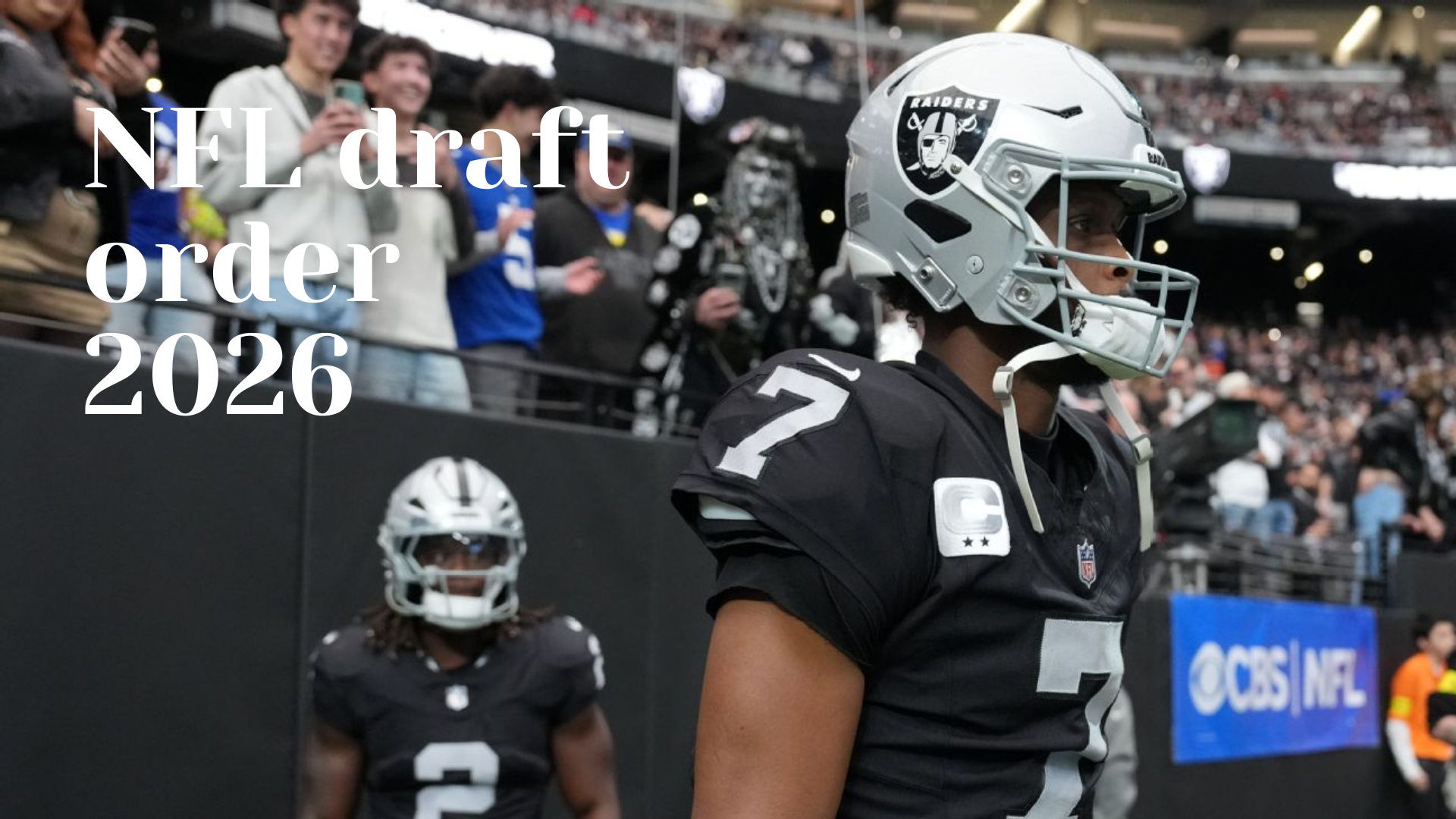
The most prominent story at the top of the 2026 draft is the Las Vegas Raiders securing the first overall pick. After finishing near the bottom of the league standings, Las Vegas will have a chance to reshape its roster with a cornerstone player. Most analysts expect the Raiders to consider a quarterback or elite offensive weapon, as those positions are critical for turning around a struggling offense. This is the first time the franchise has held the No. 1 pick since 2007, marking a rare opportunity to acquire top-tier talent.
Following the Raiders, the New York Jets hold the second overall selection. Coming off a disappointing season, New York aims to leverage this early pick to accelerate its rebuild. The team could address quarterback depth, strengthen the offensive line, or add playmakers in skill positions, depending on the top prospects available.
The Arizona Cardinals hold the third pick, while the Tennessee Titans are fourth. Both teams finished with records among the league’s worst, and these selections give them prime opportunities to bolster their rosters. Arizona has historically targeted versatile playmakers early, while Tennessee may prioritize offensive line depth or defensive edge talent.
Rounding Out the Top Ten
The New York Giants pick fifth, giving them a valuable opportunity to add talent at key positions. The Cleveland Browns follow at sixth, allowing the team to address needs along both sides of the ball. The Washington Commanders are seventh, the New Orleans Saints eighth, the Kansas City Chiefs ninth, and the Cincinnati Bengals tenth. These selections represent a mix of struggling non-playoff teams and clubs hovering near playoff contention, each looking to find difference-makers to strengthen their roster.
Mid-Round First Picks
The Miami Dolphins have the 11th pick, followed by the Dallas Cowboys at 12th and the Los Angeles Rams at 13th. These teams finished around the middle of the league standings, and their picks provide opportunities to bolster depth and address positional gaps.
The Baltimore Ravens (14th), Tampa Bay Buccaneers (15th), and Indianapolis Colts (16th) round out the middle portion of the first round. Teams in this section often balance immediate roster needs with long-term talent accumulation, seeking players who can contribute both now and in future seasons.
Closing Out the First Round
Later in the first round, teams like the Detroit Lions (17th) and Minnesota Vikings (18th) will look for prospects to address critical weaknesses and reinforce emerging cores. The Carolina Panthers (19th), Green Bay Packers (20th), and Pittsburgh Steelers (21st) continue this sequence, each evaluating roster needs while monitoring positional talent in the draft pool.
The final slots in the first round belong mostly to playoff teams: Los Angeles Chargers (22nd), Philadelphia Eagles (23rd), Buffalo Bills (24th), Chicago Bears (25th), San Francisco 49ers (26th), Houston Texans (27th), Jacksonville Jaguars (28th), Los Angeles Rams (29th), New England Patriots (30th), Denver Broncos (31st), and Seattle Seahawks (32nd). While these teams are generally in postseason contention, early first-round picks allow them to enhance depth, secure top young talent, and plan for long-term competitiveness.
How the Draft Order is Determined
The NFL uses a standardized system to determine draft order. Teams that miss the playoffs are placed at the top of the draft, with the worst regular-season record earning the first pick. Ties among non-playoff teams are resolved using strength of schedule, which measures the combined winning percentage of opponents faced. Playoff teams are then ordered based on how far they advance in the postseason, with teams eliminated early selecting before teams eliminated later. Trades can adjust this order, creating opportunities for teams to move up or down depending on draft strategy.
Key Factors Influencing the 2026 Draft
Several elements will shape the 2026 draft leading up to selection weekend. These include:
- NFL Scouting Combine (February 2026): Prospects will undergo testing, interviews, and drills that highlight physical and mental attributes.
- College Pro Days: Individual workouts and evaluations provide additional insight for teams to make informed decisions.
- Team Evaluations: Coaches and front offices will assess each position group for fit, scheme adaptability, and long-term value.
- Trade Activity: Draft day trades can alter the order dramatically, as teams may move up to secure a desired player or trade down to acquire more picks.
Positional Outlook
Top quarterbacks are expected to dominate early discussion, especially given the league-wide demand for elite signal-callers. Additionally, edge rushers, offensive linemen, and versatile skill position players are likely to attract attention in the first round. Teams with multiple early picks may attempt to address more than one major need, balancing immediate contribution with long-term development.
Implications for Teams
The 2026 draft order highlights the divergent fortunes of NFL teams over the 2025 season. Franchises like the Raiders and Jets, with early picks, are positioned to rebuild and add cornerstone talent. Playoff teams such as the Eagles, Bills, and 49ers may use late first-round picks to reinforce already strong rosters and add depth for a playoff run. The draft provides an opportunity for every team to improve, whether by targeting a star player or supplementing the roster with depth pieces.
The 2026 NFL Draft order now gives teams, fans, and analysts a clear roadmap for offseason strategy. From the Raiders’ rare No. 1 pick to the Patriots and Broncos closing out the first round, the draft represents a pivotal opportunity for franchises to add young talent, reshape rosters, and position themselves for future success. As the offseason progresses, trades, scouting evaluations, and player workouts will continue to refine each team’s draft plans, setting the stage for an exciting April in Pittsburgh.