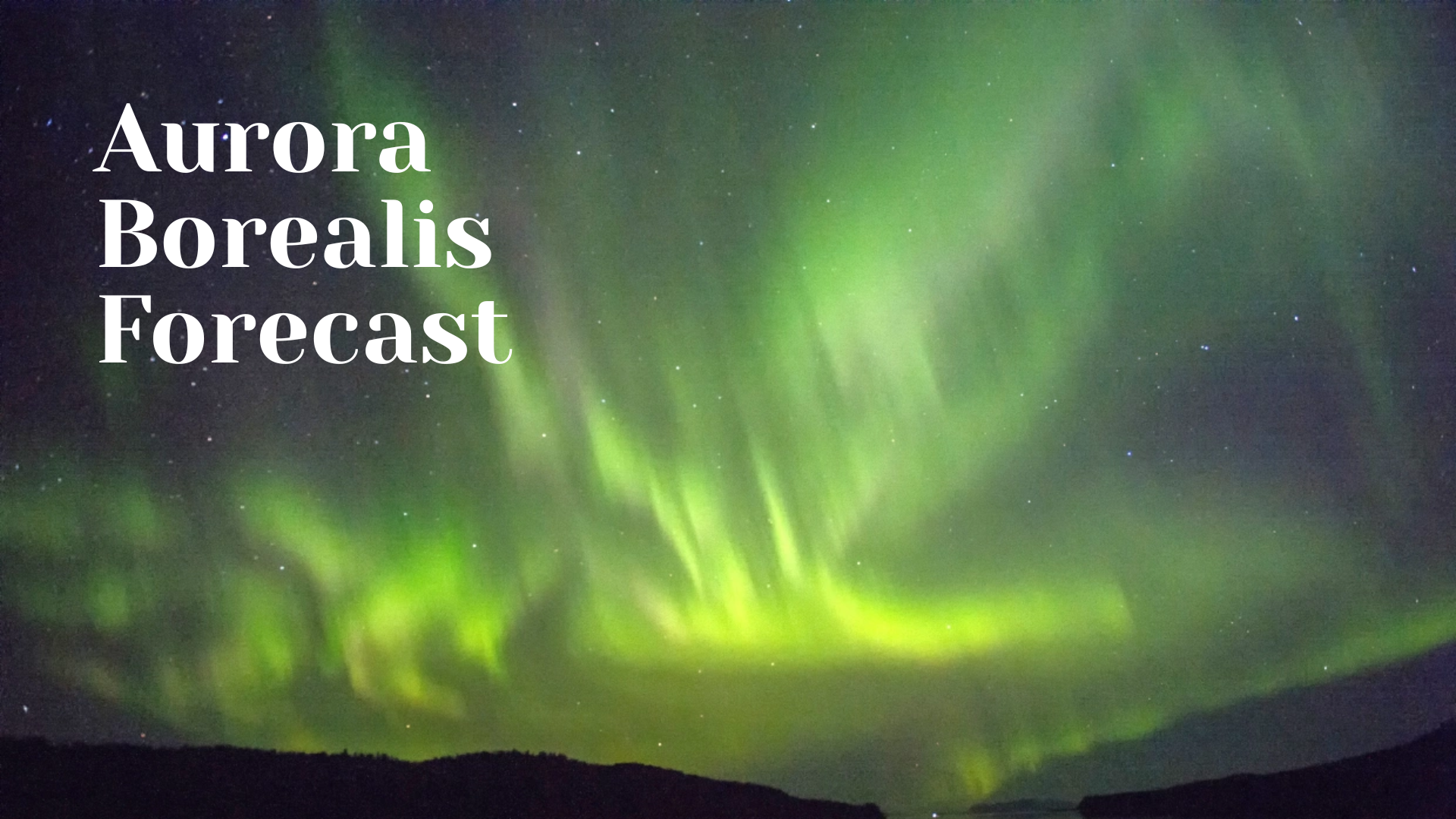
The aurora borealis, also known as the northern lights, is one of the most breathtaking natural phenomena visible from Earth. It appears as shimmering curtains of green, pink, red, and purple light dancing across the night sky in high‑latitude regions around the Arctic Circle. For centuries, people have gazed in wonder at these luminous displays, fascinated by their beauty and mystery. Today, scientists understand that the aurora borealis is caused by charged particles from the sun interacting with Earth’s magnetic field and atmosphere. Aurora borealis forecasts help travellers, photographers, and skywatchers plan when and where to see the lights. Accurate forecasting combines solar activity data, magnetic measurements, and atmospheric conditions to predict the likelihood and intensity of auroral activity. This comprehensive guide explores how aurora borealis forecasts work, why they are important, and how you can use them to witness one of nature’s most spectacular shows.
At its core, the aurora borealis is driven by activity on the sun. The sun emits a continuous flow of charged particles known as the solar wind. Periodically, the sun releases large bursts of particles and magnetic energy during solar flares and coronal mass ejections. When these particles travel through space and reach Earth, they interact with the planet’s magnetic field, funneling energy toward the polar regions. As the charged particles collide with molecules in Earth’s upper atmosphere, they excite the molecules and produce the glowing lights we see in the night sky. The specific colors of the aurora depend on the type of atmospheric particles involved and their altitude. Oxygen at higher altitudes often produces red and green hues, while nitrogen can create shades of blue and purple. Understanding these physical processes is essential to forecasting when auroral displays will be visible and how strong they will be.
Aurora borealis forecasts rely on a combination of real‑time solar observations and models of Earth’s magnetic environment. Space weather monitoring stations orbiting Earth and satellites observing the sun continuously collect data on solar wind speed, density, and magnetic field orientation. These measurements help scientists estimate when a solar storm or disturbance will arrive at Earth and how intense its impact might be. One of the key elements in forecasting is the Kp index, a scale from 0 to 9 that quantifies the strength of geomagnetic activity. A higher Kp value indicates more intense magnetic disturbance and a greater likelihood that the aurora will be visible at lower latitudes. For example, a Kp value of 3 or 4 suggests moderate auroral activity visible in high Arctic regions, while values of 6 or above can signal strong geomagnetic storms capable of lighting up skies much farther from the poles. Forecasts use current solar wind conditions and predictive models to estimate how the Kp index will evolve over the next several hours to days, giving skywatchers valuable planning information.
Short‑term aurora forecasts typically cover the next 24 to 48 hours and are updated frequently. These immediate forecasts are most useful for travellers already in aurora viewing regions, as they provide near‑real‑time predictions based on the latest solar wind and geomagnetic data. Many forecasting services also offer alerts that notify users when auroral activity is expected to increase significantly, allowing photographers and enthusiasts to prepare cameras, clothing, and travel plans accordingly. Long‑term forecasts extend up to 7 days or more, giving a broader view of potential activity based on emerging solar conditions. While long‑term predictions are less precise, they help travellers decide when to schedule trips to Arctic locations where the northern lights are most common. Combining both short‑term and long‑term forecasts increases the chance of finding a strong aurora display during a planned visit.
The best places to see the aurora borealis are near Earth’s magnetic poles, where geomagnetic activity concentrates. In the northern hemisphere, prime viewing locations include northern Norway, Sweden, Finland, Iceland, Canada’s Northwest Territories, and Alaska. These regions lie within or near the auroral oval, a ring‑shaped zone encircling the geomagnetic pole where auroral activity is most frequent and intense. Within this zone, the lights can appear on many clear nights, especially during periods of high solar activity. However, auroras are not limited to high latitudes. During strong geomagnetic storms, the auroral oval expands, making the northern lights visible at lower latitudes in Scotland, northern United States, and other regions closer to mid‑latitudes. Such events are less common but create unforgettable sky displays for people who might never otherwise witness them.
Weather conditions on the ground also play a major role in aurora visibility. Even if geomagnetic activity is high, cloudy skies can block the view of the aurora from the surface. Forecasters therefore consider local weather patterns when estimating visibility. Clear, dark skies away from city lights offer the best chance to see the aurora borealis. In winter months, regions above the Arctic Circle experience long nights with extended darkness, making them ideal for aurora viewing. However, winter weather can also bring clouds and snow, which may interfere with visibility. Understanding both space weather and terrestrial weather forecasts helps aurora chasers choose nights with the best combination of geomagnetic activity and clear skies.
Aurora borealis forecasting has evolved significantly with modern technology. Mobile apps, interactive online maps, and space weather dashboards make it easier than ever for people around the world to track auroral activity. Many resources provide visual forecasts showing expected aurora intensity across different latitudes and times. Some forecasting tools allow users to input their location and receive customized predictions for when the northern lights will be visible in their area. Alerts can be sent via text or email when conditions meet specified thresholds, helping enthusiasts stay informed without constant monitoring. The growing accessibility of aurora forecast data has transformed aurora viewing from a matter of chance into an informed experience guided by science and real‑time observation.
Timing is another important factor in aurora forecasts. The northern lights are typically most active around equinoxes, in March and September, due to the way Earth’s tilt affects interactions with solar wind. However, auroras can occur at any time of year when geomagnetic conditions are favorable. Solar maximum periods, which occur approximately every 11 years as part of the sun’s activity cycle, tend to produce more frequent and intense auroral displays. During solar maximum, the sun emits more frequent solar flares and coronal mass ejections, increasing the likelihood of strong geomagnetic storms. Many skywatchers plan major aurora expeditions around predicted peaks in the solar cycle, maximizing their chances of witnessing extraordinary light displays.
For photographers, aurora borealis forecasts are essential planning tools. Capturing high‑quality images of the northern lights requires not only knowing when the aurora will be active but also understanding how to prepare camera settings, choose ideal viewpoints, and anticipate changes in light intensity. Forecasts help photographers decide which nights offer the best conditions based on predicted geomagnetic activity and local weather. Many seasoned aurora photographers monitor space weather data days in advance and adjust travel plans to align with peak activity windows. By combining scientific forecasting with artistic vision, photographers can capture unforgettable images that reveal the full beauty of the aurora borealis.
In summary, aurora borealis forecasts provide vital guidance for anyone seeking to witness the northern lights. By integrating data from solar observations, geomagnetic measurements, and weather forecasts, these predictions help determine when and where the aurora is most likely to appear. Whether you are a casual observer, a dedicated aurora chaser, or a photographer hoping to capture stunning sky scenes, understanding aurora forecasts enhances your ability to plan and succeed. With the right combination of scientific knowledge, timing, and patience, experiencing the aurora borealis becomes not just a dream but a real possibility under the Arctic sky.