Australia Implements World-First Social Media Ban for Under-16s
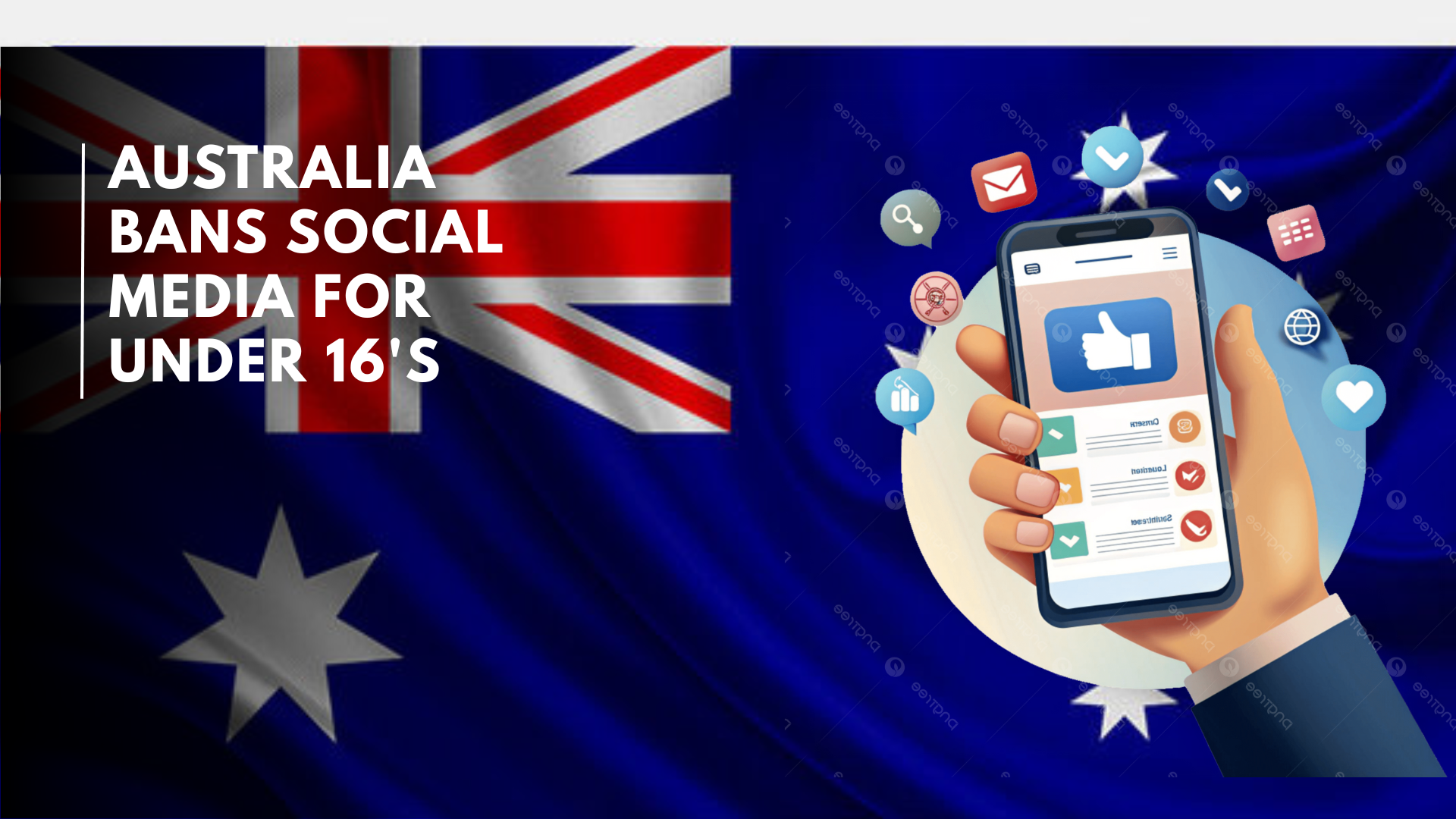
SYDNEY — Australia has become the first country in the world to implement a nationwide ban on social media use for children under the age of 16, a landmark move aimed at protecting young people’s mental health and overall well-being. The law came into effect on December 10, 2025, requiring major technology platforms to prevent children under 16 from opening or maintaining accounts. Companies that fail to comply face penalties of up to 49.5 million Australian dollars, underscoring the seriousness of the government’s commitment.
The Online Safety Amendment (Social Media Minimum Age) Act 2024 amends the existing online safety framework in Australia. The legislation mandates that social media platforms take “reasonable steps” to verify the age of users and block underage accounts. The government has emphasized that the policy is designed to protect children from the harmful effects of prolonged exposure to online content, cyberbullying, and other risks associated with social media.

Platforms Affected and Enforcement Measures
The law applies to major social media services, including Facebook, Instagram, TikTok, Snapchat, X (formerly Twitter), YouTube, Reddit, Threads, Twitch, and Kick. Companies are required to implement a variety of age-verification measures, including self-declared ages, behavioural checks, and optional identity verification. Government-issued identification cannot be made mandatory solely for access to these platforms, but firms are expected to demonstrate active efforts to enforce the age limit.
Enforcement has begun immediately. Platforms have started auditing user accounts, deactivating those identified as underage, and notifying users of the action. Early reports indicate that millions of accounts have already been affected. While some users have attempted to bypass restrictions using false information or VPNs, regulators have acknowledged these challenges and stated that systems will continue to improve to close existing loopholes.
Government Perspective
Prime Minister Anthony Albanese described the measure as a necessary step to safeguard children’s mental health and development. “Social media offers many benefits, but for children under 16, the potential harms outweigh the positives,” he said. “We want young people to have time to explore offline activities, connect face-to-face with friends and family, and develop skills that will benefit them throughout life.”
The government has highlighted research suggesting that high social media usage among children is linked to increased rates of anxiety, depression, and other mental health challenges. Officials argued that relying solely on parental control tools or voluntary platform policies has not provided adequate protection, making national regulation necessary.
Public Reaction and Debate
The policy has sparked mixed reactions across Australia. Many parents and child-safety advocates have welcomed the ban, viewing it as an overdue measure to protect young people from online risks. They argue that the regulation provides clear rules and reduces the burden on parents to constantly monitor online activity.
However, critics have questioned the effectiveness of a blanket age restriction. Civil liberties organizations and digital rights advocates argue that the law may restrict children’s freedom of expression and limit opportunities to develop digital literacy skills. Some human rights groups have also raised concerns about privacy, particularly with regard to the methods platforms may use to verify users’ ages.
Social media companies themselves have expressed concerns. Some argue that banning children from mainstream platforms could inadvertently push them toward less-regulated alternatives, where safety protections may be weaker. Others have suggested that parental approval systems or improved content moderation could offer a more balanced solution.
Challenges in Implementation
While the law is in effect, experts acknowledge that practical challenges remain. Age verification on the internet is inherently difficult. Children can misrepresent their ages, use shared devices, or access content without creating accounts. Logged-out browsing remains possible on many platforms, allowing some underage users to view public content.
Platforms are working to develop technological solutions, including artificial intelligence systems to flag potentially underage accounts and better monitoring of suspicious activity. Despite these measures, enforcement is expected to be imperfect initially, and the government has indicated that ongoing oversight and updates to the system will be necessary.
Global Significance
Australia’s move has drawn international attention. Several countries, including Denmark, Malaysia, and New Zealand, are closely observing the policy as they consider similar measures. Proponents argue that it sets a global benchmark for digital child protection, while opponents caution that strict age limits may drive children toward less regulated online spaces.
The law’s passage and implementation also raise broader questions about how societies balance child safety, freedom of expression, and digital participation. Policymakers around the world are grappling with the same challenges, and Australia’s experiment will likely influence international approaches for years to come.
Early Impact
In the first weeks following implementation, millions of Australian users under 16 had accounts deactivated or blocked. Many teenagers expressed frustration, posting final messages to followers or moving to alternative platforms not covered by the legislation. Social media companies are monitoring the situation closely and adjusting their verification systems to prevent further bypasses.
Despite these challenges, authorities maintain that the ban will gradually foster safer online habits for children and reduce exposure to harmful content. Educational campaigns encouraging offline activities, reading, sports, and creative hobbies are being promoted alongside enforcement to provide positive alternatives for young people.
Legal and Social Considerations
Several legal challenges have already been filed, focusing on potential conflicts with freedom of expression and the right to participate in online communities. Courts will likely play a critical role in determining how far governments can go in regulating access to social media for minors while balancing civil liberties.
Social scientists and child development experts note that while the law addresses immediate risks, broader societal factors—such as family support, education, and community engagement—remain essential for promoting healthy digital habits. The success of the legislation will depend not only on enforcement but also on how effectively families and communities support children in navigating the digital world responsibly.
Looking Ahead
Australia plans to review the law’s impact within the next two years, examining trends in youth mental health, online behaviour, and educational outcomes. Adjustments may be made to refine age verification methods, address emerging loopholes, and ensure that young people are not excluded from positive online experiences.
The implementation of the world-first social media ban for under-16s represents a bold step in digital regulation, highlighting the tension between safeguarding children and maintaining their access to technology. While the law has sparked debate and faced practical challenges, it also marks a milestone in global discussions about the role of government in protecting minors in the digital age.
As other countries watch closely, Australia’s experiment will provide valuable lessons on the feasibility, effectiveness, and unintended consequences of age-based restrictions on social media. The coming months and years will reveal whether this approach achieves its intended goals, offering a template for nations seeking to protect young people in increasingly connected online environments.