
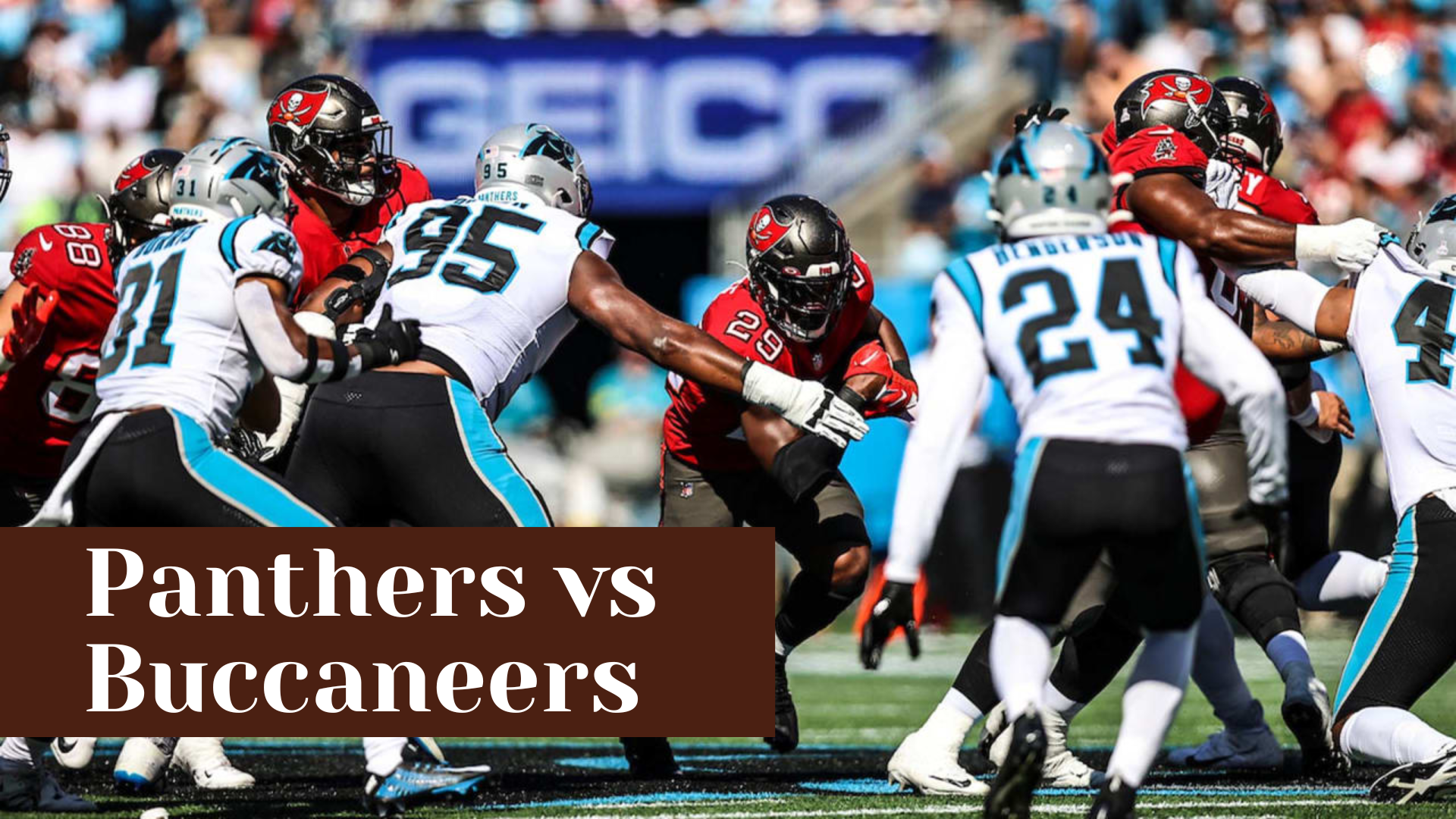
In a pivotal Week 18 matchup of the 2025 NFL season, the Tampa Bay Buccaneers narrowly defeated the Carolina Panthers 16‑14 at Raymond James Stadium in Tampa. The game, played under steady rain, carried significant implications for the NFC South title, and both teams showcased resilience, strategic adjustments, and veteran leadership in challenging conditions. The match drew national attention not only for its playoff relevance but also for its display of disciplined defensive football and opportunistic playmaking.
From the opening kickoff, the wet and slippery field influenced both teams’ strategies. Tampa Bay emphasized ball control and short passing, while Carolina attempted to balance their attack with both runs and intermediate passes. Early in the first quarter, the Buccaneers struck first as quarterback Baker Mayfield connected with tight end Cade Otton for a touchdown, giving Tampa Bay an early 7‑0 lead. The drive highlighted Tampa Bay’s emphasis on short, high-percentage passes and a controlled rushing attack led by Bucky Irving, who handled a season-high workload. Despite the weather, Mayfield showed poise, avoiding major errors and maintaining offensive rhythm.
Carolina responded with composure, led by quarterback Bryce Young, who demonstrated his ability to make quick decisions under pressure. Young successfully completed several passes to his tight ends and wide receivers, moving the ball methodically downfield. A touchdown pass later in the first half brought Carolina within three points, reflecting their capacity to adapt to the adverse weather. Although the Panthers were limited on the ground, their passing efficiency kept them competitive and prevented Tampa Bay from gaining a clear early advantage.
The defenses set the tone throughout the game. Tampa Bay’s defensive line dominated the line of scrimmage, particularly against Carolina’s rushing attempts. Linebacker Lavonte David led the Buccaneers with multiple tackles and was instrumental in disrupting Carolina’s rhythm. Carolina’s defense, meanwhile, made key plays of its own, including an interception by Christian Rozeboom that temporarily shifted momentum in their favor. Both teams relied on disciplined positioning and strategic adjustments to compensate for the slippery conditions, demonstrating how preparation and experience can influence outcomes in adverse weather.
Turnovers played a decisive role in the contest. Baker Mayfield threw an interception early in the game, giving Carolina a short field and a scoring opportunity. Later, Bryce Young fumbled late in the fourth quarter, and Tampa Bay recovered the ball, allowing them to run the clock and maintain a narrow lead. These critical errors illustrated the high stakes and razor-thin margins between victory and defeat, particularly in a divisional game with playoff implications.
Special teams also proved pivotal. The weather made kicking and punting more challenging, emphasizing field position as a key factor. Tampa Bay blocked a field goal attempt late in the fourth quarter, preserving their lead and ultimately influencing the outcome. Both teams adjusted their game plans to prioritize short, safe plays and rely on clock management, highlighting coaching adaptability and situational awareness in a tightly contested matchup.
For Tampa Bay, the win improved their record to 8‑9, keeping them in contention for the NFC South title, depending on the outcome of the final regular-season game between the New Orleans Saints and Atlanta Falcons. Head coach Todd Bowles praised his team for remaining focused and executing under difficult conditions, noting that the win required both mental and physical resilience. Veterans such as Mayfield and David underscored the importance of leadership, maintaining composure, and supporting younger teammates throughout a season marked by adversity, injuries, and high expectations.
Carolina, meanwhile, faced heartbreak. Despite a strong passing performance from Bryce Young and several big plays late in the game, the Panthers’ late fumble and inability to convert key opportunities prevented them from securing a postseason berth. The loss highlighted both the potential of Carolina’s young roster and the challenges of competing consistently in a tightly contested division. Players and coaches emphasized the need to learn from the experience while recognizing the progress made throughout the season.
The rivalry between the Buccaneers and Panthers added intensity to the matchup. Both teams have a history of close contests in recent years, and the Week 18 showdown reflected that tradition. Earlier in the season, Carolina had defeated Tampa Bay, improving their position in the NFC South. This context made the rematch even more critical, as every yard and decision carried additional weight in determining playoff fate. The matchup demonstrated how divisional rivalries can shape strategy and pressure players to perform at their peak under difficult circumstances.
From a statistical perspective, Tampa Bay relied on a balanced approach. Bucky Irving contributed consistent rushing yards, while Mayfield completed a majority of his passes despite the rain. On defense, Lavonte David and the Buccaneers’ front seven limited Carolina’s rushing attempts and forced multiple third‑down situations. Bryce Young finished with an impressive number of passing yards, showing accuracy and composure despite several turnovers. Carolina’s receivers, particularly Tetairoa McMillan, made key catches that kept drives alive and demonstrated the team’s potential for explosive plays.
Fans and media discussion after the game focused on several critical moments, including the blocked field goal, turnovers, and defensive stands that shaped the final score. While some Carolina supporters highlighted missed opportunities and debated officiating decisions, most acknowledged Tampa Bay’s ability to execute under pressure and manage the game effectively. The rainy conditions amplified the difficulty of the matchup, and both teams deserve credit for adjusting to circumstances that challenged fundamentals such as ball handling, footing, and timing.
Looking ahead, the NFC South title remained undecided until the final Sunday games. Tampa Bay’s win positioned them favorably, but their fate depended on other results, particularly in New Orleans. Carolina had one last chance to secure a playoff spot, relying on favorable outcomes from other teams and their own performance. This dynamic underscored the competitive nature of the division and the importance of each game in shaping postseason opportunities.
In conclusion, the Week 18 Panthers vs Buccaneers game was a classic late-season NFL contest featuring tight competition, strategic adjustments, and critical contributions from veteran and young players alike. Tampa Bay’s 16‑14 victory highlighted disciplined play, opportunistic defense, and effective leadership, while Carolina’s performance showcased talent, resilience, and potential for future seasons. The rain-soaked battle demonstrated how weather, turnovers, and situational awareness can influence outcomes in professional football, and it set the stage for a dramatic conclusion to the NFC South race. Both teams left the field knowing they had fought hard, and fans were treated to a memorable and intense divisional showdown that will be remembered for its significance and close finish.


