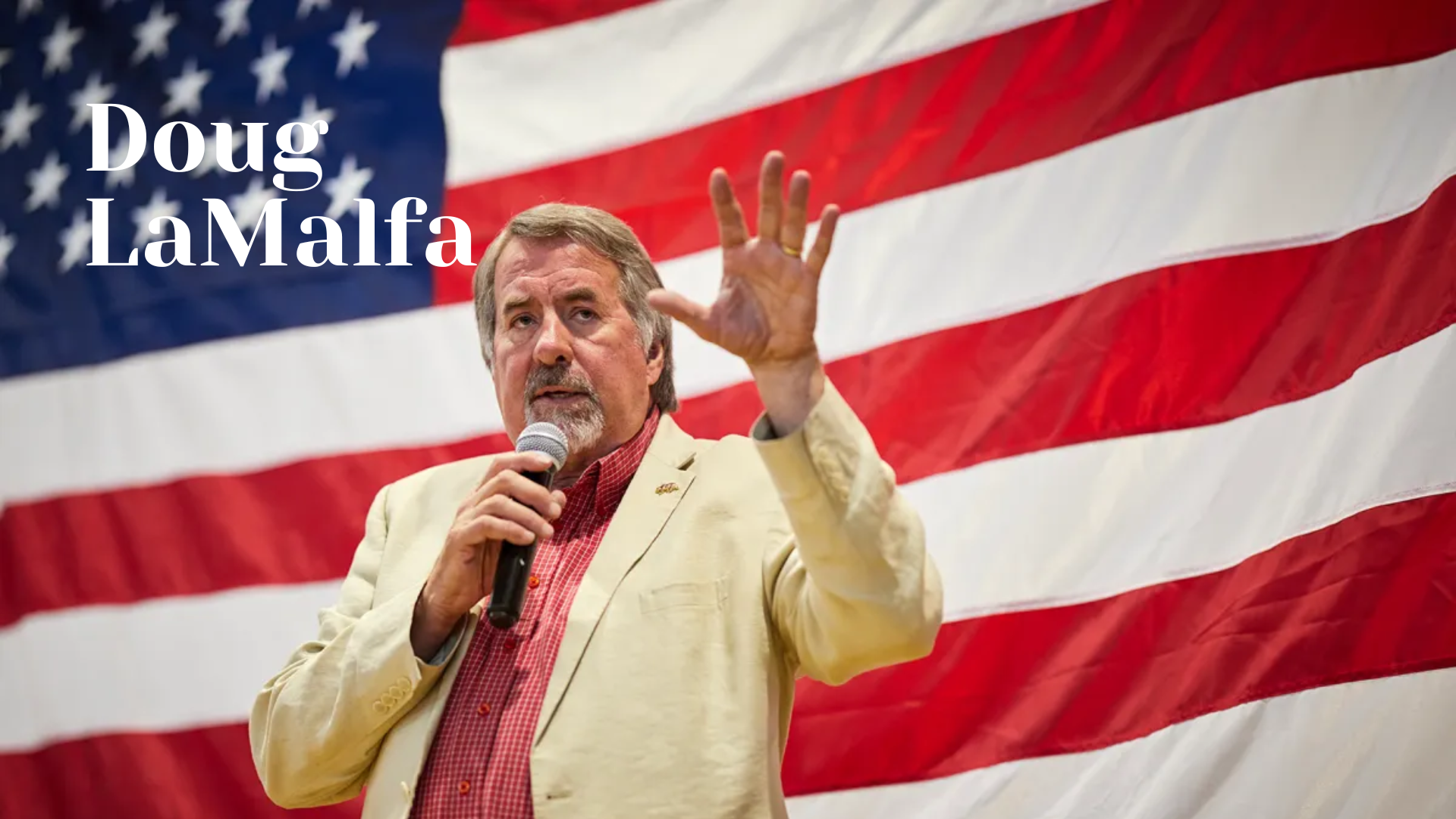
Doug LaMalfa, a longtime U.S. representative from Northern California and a figure widely known for his advocacy on behalf of rural communities, agriculture and conservative policy, has died at age 65. His passing on January 6, 2026, while undergoing medical treatment, sent shock waves through the political landscape, narrowing the Republican majority in the U.S. House of Representatives and prompting tributes from colleagues across the political spectrum. LaMalfa’s story was one of steadfast loyalty to his constituents, deep roots in agricultural life, and a steady climb through the ranks of public service that spanned more than two decades.
Doug LaMalfa was born on July 2, 1960, in Oroville, California, in a family with deep ties to farming and community life. He grew up in a rural region of the state, graduating from local schools before pursuing higher education in agricultural business at California Polytechnic State University in San Luis Obispo. From the start, his life was shaped by the rhythms of farm life and the practical concerns of rural economies, experiences that would inform his political career. Before entering politics, LaMalfa managed his family’s rice farming operations as a fourth‑generation farmer, gaining firsthand insight into water rights, agricultural sustainability and the economic challenges facing rural Californians.
LaMalfa’s first foray into public office came in 2002 when he was elected to the California State Assembly representing a large northern district. He served three terms there, earning a reputation as a conservative lawmaker with a focus on limiting government expansion and protecting traditional values. After taking a break from the legislature, he returned to elected office in 2010 as a state senator in California, where he continued to push for fiscal restraint and local control of government affairs.
In 2012, with the retirement of a long‑serving congressman, LaMalfa ran for the U.S. House of Representatives and won his first term in what was then California’s 1st Congressional District. The district, sprawling across much of Northern California’s rural interior, included places like Chico, Redding and Susanville — communities deeply invested in agriculture, forestry and small‑town economies. LaMalfa’s candidacy resonated with voters, and he went on to win election seven times, serving in Congress from January 2013 until his death in January 2026. Throughout his tenure, he established himself as a reliable conservative voice and a strong advocate for his region’s interests.
In Washington, LaMalfa carved out a legislative niche that reflected both his personal background and the priorities of those he represented. He was a member of key committees, including the House Agriculture Committee, where his experience as a farmer informed debates on water policy, resource conservation and federal agricultural support. He championed measures to secure water rights, expand storage and fund infrastructure that could buffer his constituents against drought and other environmental pressures. His interest in forestry management and wildfire mitigation reflected the very real challenges that communities in his district had faced, and he successfully helped pass legislation aimed at tax exclusions for wildfire relief payments and improved forest management practices.
Beyond agriculture, LaMalfa was known for his social conservatism and alignment with broader Republican priorities. He consistently supported limited government, lower taxes and regulatory reform. He was a vocal supporter of former President Donald Trump and a frequent participant in national conservative discourse. At times this made him a polarizing figure, particularly when his positions aligned closely with partisan national issues, but it also underscored his loyalty to the principles that had defined his political career. In Congress, LaMalfa was described by colleagues as a committed advocate for the people of Northern California, someone who took seriously the responsibility of representing a district that often felt distant from the power centers of Sacramento and Washington.
LaMalfa’s relationship with constituents was a defining aspect of his service. Even as the issues he tackled in Washington grew complex and nationalized, he remained closely tied to local concerns. Whether advocating for agricultural funding, championing water storage projects or attending community events across his district, he made an effort to stay connected to the people who elected him. That approach served him well at the ballot box, with LaMalfa winning reelection by comfortable margins year after year, even as shifting political winds and redistricting made his seat more competitive in later years.
The circumstances of his final term were shaped by a changing political map. A voter‑approved redistricting initiative took effect in California in 2025, altering the boundaries of his district and injecting new electoral uncertainty. LaMalfa had announced plans to run for reelection under the new map in the 2026 midterm cycle, facing what many observers saw as a more competitive environment. His sudden passing, occurring just weeks after the new year and shortly after Congress reconvened, left a vacancy that will be filled through a special election called by the governor of California.
The immediate impact of LaMalfa’s death on national politics was tangible. The Republican majority in the House of Representatives, already narrow after recent retirements and resignations, shrank further when his seat became vacant. That slim margin complicates the ability of party leadership to pass legislation along party lines and intensifies the focus on upcoming elections, where each seat carries heightened importance.
Reactions to LaMalfa’s death were immediate and widespread. Leaders from both parties expressed condolences, with many acknowledging his deep commitment to his district and his consistent participation in legislative debate. Republican allies highlighted his unwavering support for conservative policies and his frequent presence on the House floor. Democratic leaders, while often at odds with his policy positions, recognized the personal loss felt by his family and the broader legislative community.
Doug LaMalfa was more than a politician; to many in Northern California he was a familiar figure whose roots in farming and rural life echoed the experiences of his constituents. He was a husband and father, known both for his political vigor and his personal presence in local affairs. While the cause of his death was not immediately disclosed, the suddenness of his passing was met with genuine sorrow across ideological lines.
Looking ahead, his legacy will be debated and interpreted in many ways. To supporters, he was a principled conservative who stood up for rural America and defended traditional values in an often fast‑changing political landscape. To critics, his alignment with national partisan agendas occasionally overshadowed nuanced local priorities. Whatever the perspective, his influence on agricultural policy, rural advocacy and the political life of Northern California is likely to endure in the legislative history he helped shape.
As the special election to fill his seat approaches in 2026, discussions about LaMalfa’s career and the future direction of his district are already underway. For now, his passing marks the end of a significant chapter in California politics — one defined by grassroots engagement, agricultural advocacy and the complex interplay of local and national issues that characterize modern American governance.