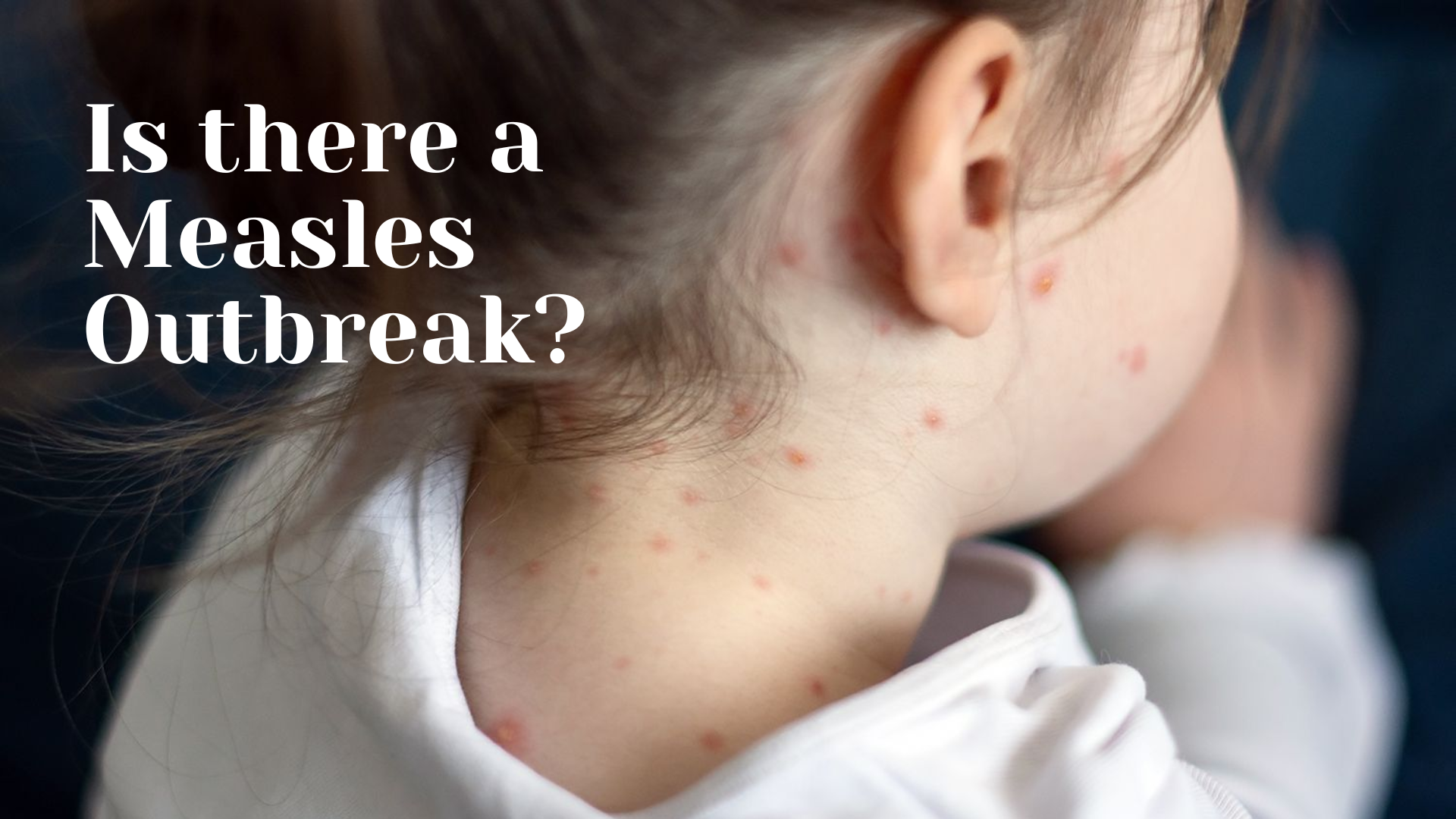
Measles is one of the most contagious viral diseases known to humanity, and despite the availability of a highly effective vaccine, it has made a worrying comeback in recent years. Once considered largely controlled in many parts of the world, measles is now resurging due to declining vaccination rates, increased global travel, misinformation, and gaps in public health systems. The renewed spread of measles has raised serious concerns among health authorities, parents, and governments, especially as outbreaks continue to emerge in regions that had previously achieved elimination status. Understanding how measles spreads, its symptoms, where it is most prevalent today, and how individuals and communities can protect themselves is critical in preventing further escalation.
Measles is caused by the measles virus, which spreads through respiratory droplets when an infected person coughs, sneezes, talks, or even breathes. The virus can remain airborne or survive on surfaces for up to two hours, making it extremely easy to transmit in crowded or enclosed spaces. What makes measles particularly dangerous is its high infection rate; nearly nine out of ten unvaccinated people who are exposed to the virus will become infected. This level of contagiousness places measles among the most infectious diseases ever recorded, surpassing many other common viral illnesses.
The early symptoms of measles often resemble those of a common cold, which can delay diagnosis and contribute to further spread. Initial signs typically include high fever, cough, runny nose, and red, watery eyes. Within a few days, a distinctive rash appears, usually starting on the face and spreading downward across the body. Small white spots known as Koplik spots may also develop inside the mouth, serving as an early clinical indicator of measles infection. As the disease progresses, the fever can spike dramatically, sometimes exceeding dangerous levels, particularly in young children.
While many people recover from measles, the disease can lead to serious complications, especially in infants, pregnant women, and individuals with weakened immune systems. Complications include pneumonia, severe dehydration, ear infections that can result in permanent hearing loss, and encephalitis, a dangerous inflammation of the brain that can cause long-term neurological damage or death. In some cases, measles can also suppress the immune system for months or even years, leaving survivors vulnerable to other infections long after recovery. These risks highlight why measles is far more than a mild childhood illness and why prevention is so critical.
Globally, measles cases have been rising at an alarming rate. Regions experiencing conflict, poverty, or limited access to healthcare remain the most affected, as vaccination coverage in these areas is often inconsistent or insufficient. Parts of Africa, South Asia, and Eastern Europe have reported significant increases in measles cases, driven by disrupted immunization programs and population displacement. However, measles is no longer confined to developing regions. Wealthier countries are also witnessing outbreaks, largely due to vaccine hesitancy and declining trust in public health institutions.
In the United States, measles was declared eliminated years ago, meaning there was no continuous domestic transmission. Despite this milestone, outbreaks continue to occur when the virus is reintroduced through international travel and spreads within unvaccinated communities. One of the most concerning recent examples has been the outbreak in South Carolina. Health officials confirmed multiple measles cases linked to unvaccinated individuals, prompting urgent public health responses including contact tracing, exposure notifications, and vaccination campaigns. The outbreak served as a stark reminder that even states with advanced healthcare systems are vulnerable when immunization gaps exist.
The South Carolina outbreak highlighted several key issues contributing to the resurgence of measles. A significant factor was low vaccination coverage in certain communities, often influenced by misinformation, religious exemptions, or fear of vaccine side effects. In some cases, individuals were unaware they were unvaccinated or assumed measles was no longer a threat. The outbreak also demonstrated how quickly measles can spread in schools, childcare centers, and healthcare settings, placing vulnerable populations at immediate risk and straining local health resources.
Staying safe from measles begins with vaccination. The measles, mumps, and rubella vaccine is highly effective, providing long-term protection in the vast majority of individuals after two doses. Widespread vaccination not only protects individuals but also creates herd immunity, reducing the likelihood of outbreaks by limiting opportunities for the virus to spread. When vaccination rates drop below critical thresholds, herd immunity weakens, allowing measles to reestablish itself even in previously protected regions.
In addition to vaccination, early detection and isolation are essential in controlling measles outbreaks. Individuals who experience symptoms consistent with measles should seek medical advice promptly and avoid contact with others until cleared by healthcare professionals. Healthcare facilities play a vital role by quickly identifying suspected cases, implementing infection control measures, and notifying public health authorities. Public awareness campaigns also help educate communities about symptoms, transmission, and the importance of vaccination.
Travelers should take additional precautions, especially when visiting areas with known measles activity. Ensuring vaccinations are up to date before international travel is one of the most effective ways to prevent importing the virus. Parents are encouraged to verify their children’s immunization status, particularly before school enrollment or travel. Adults who are unsure of their vaccination history should consult healthcare providers to determine whether they need booster doses.
The resurgence of measles is a public health warning that progress against infectious diseases cannot be taken for granted. Diseases once considered controlled can return rapidly when prevention efforts weaken. The outbreak in South Carolina, alongside rising global case numbers, underscores the importance of sustained vaccination programs, accurate public health communication, and community cooperation. Measles is preventable, but only if societies commit to collective responsibility and evidence-based health practices.
In conclusion, measles remains a serious and highly contagious disease with the potential to cause severe complications and widespread outbreaks. Its recent growth across the globe and within parts of the United States demonstrates how fragile disease control can be when vaccination coverage declines. By understanding the symptoms, recognizing the risks, staying informed about affected regions, and prioritizing vaccination, individuals and communities can protect themselves and prevent future outbreaks. Measles is not just a medical issue but a collective challenge that requires awareness, responsibility, and decisive action to overcome.