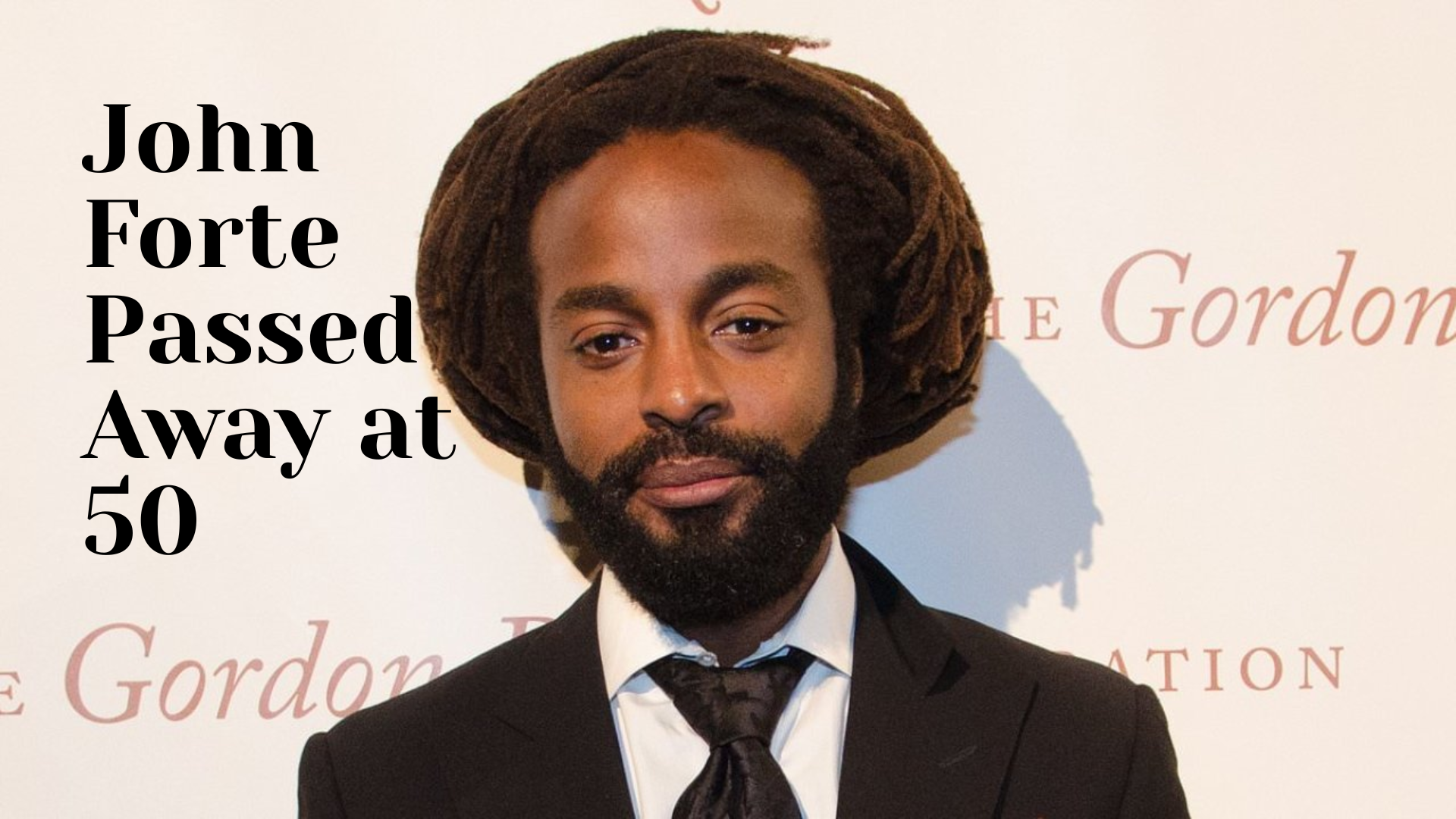
John Forté is a name that carries resonance across decades of hip hop and popular music, yet his story extends far beyond beats and bars. For many, Forté represents the creative spark behind some of the most influential music of the 1990s, especially through his work with the Fugees, Lauryn Hill, and a host of artists seeking depth and soul in their sound. In the process, he became an emblem of both artistic brilliance and personal struggle, navigating success, adversity, and redemption in ways that reflect wider truths about the music industry and life itself.
Forté’s career began with an early affinity for music and writing, but it was his work as a producer and collaborator that first drew widespread attention. His beats and arrangements helped shape the sound of a generation, marrying introspective lyricism with rhythmic innovation. Yet his journey has also been marked by legal trouble, incarceration, and a long path toward personal and professional renewal. In telling the story of John Forté, one finds not only the arc of an individual artist, but also a nuanced portrait of creativity, consequence, and resilience in contemporary culture.
Finding his voice in hip hop’s vibrant era
John Forté came of age as hip hop was expanding both commercially and creatively. The genre, born out of block parties and street culture, had by the late 1980s and early 1990s evolved into a dominant force in music worldwide. For a young artist with an ear for melody and a hunger for innovation, this environment offered both inspiration and opportunity.
At a time when artists were pushing boundaries and redefining what hip hop could sound like, Forté distinguished himself with a versatility that went beyond typical genre constraints. His production style was notable for its blend of soulful samples, organic instrumentation, and a willingness to let space and feeling drive a track. This approach opened doors to collaborations with artists seeking more than just conventional beats—they wanted depth and emotional resonance.
Breakthrough with the Fugees and defining moments
One of Forté’s most influential roles was his collaboration with the Fugees, a group composed of Lauryn Hill, Wyclef Jean, and Pras Michel. At a time when the Fugees were transforming hip hop with their distinctive fusion of rap, soul, and socially conscious lyricism, Forté’s contributions helped shape the sound that would make their music iconic. His work on their projects, particularly the groundbreaking album that blended reggae rhythms, hip hop energy, and emotional storytelling, remains a touchstone in music history.
What set this period of Forté’s career apart was not just commercial success, but artistic integrity. The Fugees’ music resonated with audiences precisely because it felt honest, raw, and musically adventurous. Forté’s contributions in crafting evocative arrangements and powerful backdrops for the group’s lyrical messages helped sustain that resonance. His fingerprints on these tracks can still be heard in the way subsequent artists approach the blending of genres and emotional range in hip hop.
Expanding collaborations and a solo voice
Beyond the Fugees, Forté’s career included work with a range of artists across hip hop and R&B. His ability to adapt to different voices and sensibilities while maintaining a distinct musical identity made him a sought-after collaborator. Whether contributing production, writing hooks, or shaping the overall sound of a record, he demonstrated an intuitive ear for what would elevate a song beyond its basic components.
In addition to his work behind the boards, Forté pursued his voice as a solo artist. His own music displayed a blend of introspection and musical risk-taking, drawing from hip hop, spoken word, and soulful narrative traditions. These projects allowed him to step forward not only as a creator of sound, but as a storyteller in his own right—someone with something personal to say.
Trials, turmoil, and transformation
Despite his early artistic success, Forté’s life took a difficult turn in the early 2000s. He became entangled in legal issues that had profound personal and professional consequences. Convicted on serious charges related to drug possession and transportation, he faced prison time that interrupted his trajectory and forced him into a period of intense personal reflection and uncertainty.
The experience of incarceration, coupled with the weight of public scrutiny, could have ended Forté’s involvement in music altogether. Instead, it became a turning point. During his time away from the industry spotlight, he grappled with the consequences of his choices and began recharting a course toward creative and personal renewal. This period would later inform not just his art, but also broader conversations about justice, rehabilitation, and the second chances often denied to those who stumble.
Reemergence and artistic evolution
After serving his sentence, Forté returned to music with a renewed sense of purpose. His later work often reflected themes of struggle and resilience, blending his trademark musical depth with a perspective shaped by lived adversity. Fans and critics alike noted how his lyrics and tone took on a maturity that was shaped by lived experience rather than industry trends.
This phase of his career also included collaborations that crossed genres and expectations, reaffirming his belief that music could be both deeply personal and broadly communicative. Forté’s work became a testament to artistic endurance—a reminder that creativity need not be confined to youth or commercial peak, but can evolve through life’s most difficult chapters.
Legacy, impact, and influence
John Forté’s legacy cannot be captured by any single track, collaboration, or chart placement. Rather, it is found in the breadth of his contributions—his work behind the scenes, the emotional texture he brought to music, and the example he set as an artist willing to confront his own missteps while continuing to create. Younger producers and writers who seek authenticity in their craft often cite Forté’s willingness to blend musicality with heart as an inspiration.
His story also contributes to broader cultural conversations about accountability, justice, and the role of art in personal healing. For many, Forté’s narrative challenges simple binaries of success and failure, reminding us that talent and adversity often coexist, and that growth frequently follows pain.
In a musical world that often prizes novelty or spectacle, Forté’s career reflects a quieter but no less profound influence—one rooted in integrity, exploration, and survival. His journey underscores the fact that music, at its best, is not merely entertainment, but a reflection of human experience in all its complexity.