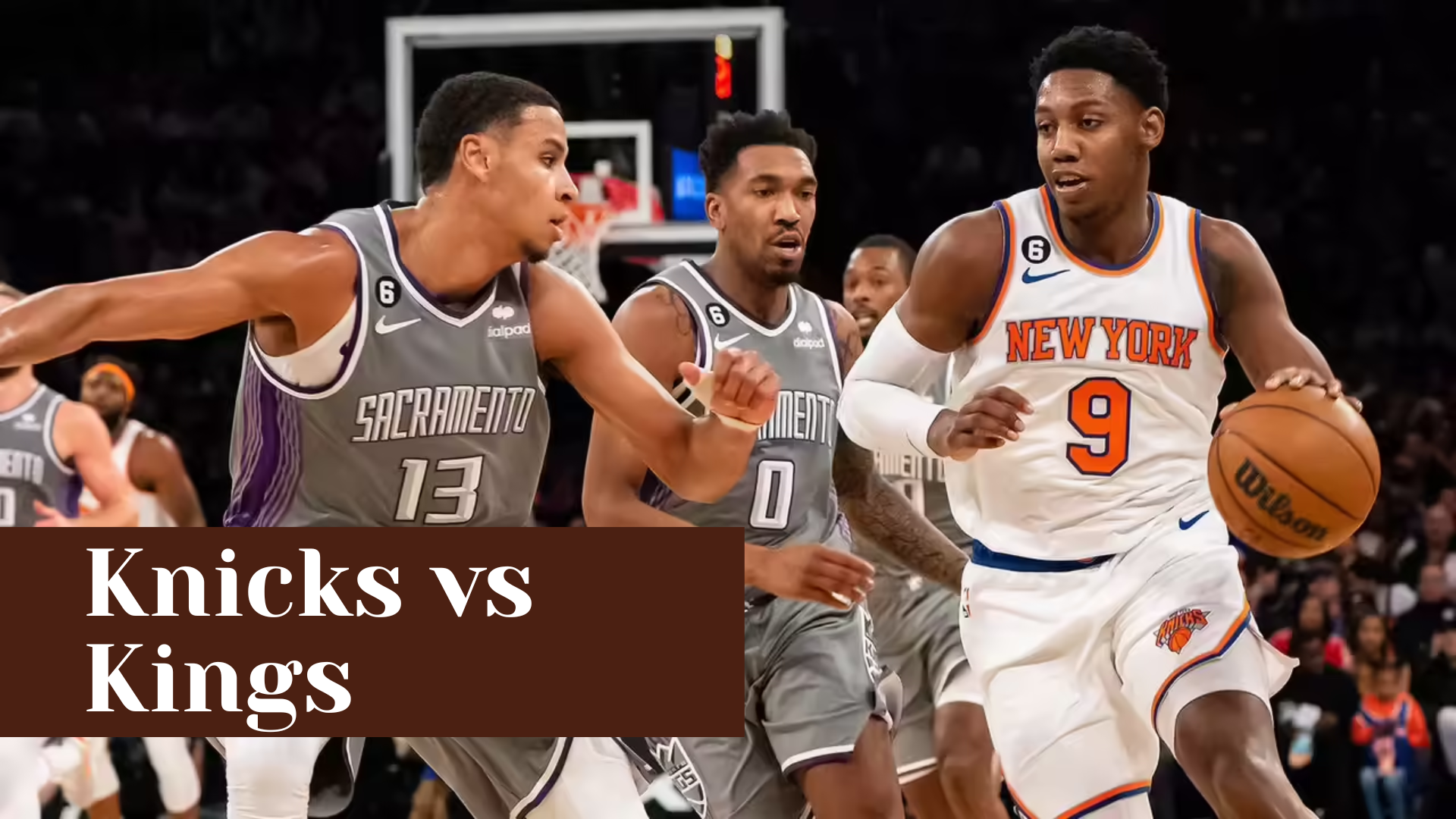
When the New York Knicks and the Sacramento Kings share the floor, it is more than just another regular-season matchup on the NBA calendar. It is a meeting of two franchises shaped by very different histories, markets, and expectations, yet increasingly connected by a shared desire to be taken seriously in a league that moves fast and forgets even faster. Knicks vs Kings may not carry the legacy weight of classic rivalries, but in recent seasons, this matchup has quietly grown into an intriguing measuring stick for both teams.
For the Knicks, every game still carries the pressure of New York expectations. Even after years of rebuilding, patient development, and incremental progress, the franchise is constantly evaluated through a championship-or-bust lens. The Kings, on the other hand, represent a different kind of urgency. After spending much of the past two decades outside the playoff conversation, Sacramento’s recent resurgence has brought both excitement and a cautious sense of realism. When these teams meet, the contrast in their paths becomes impossible to ignore.
Historically, Knicks vs Kings games rarely grabbed national headlines. For long stretches, both teams were navigating instability, coaching changes, and roster overhauls. But the current versions of these franchises feel different. New York has embraced a defensive-first identity built on discipline, physicality, and structure. Sacramento has leaned into speed, spacing, and offensive creativity. That clash of styles alone makes their meetings compelling, especially for fans who appreciate basketball beyond highlight reels.
The Knicks enter most matchups with a clear plan: slow the game down, control the glass, and force opponents to earn every possession. Their offense may not always be flashy, but it is deliberate, often built around strong ball movement, physical drives, and second-chance opportunities. Against a team like the Kings, who thrive in transition and early offense, this approach becomes both a strength and a challenge. The Knicks want to impose order; the Kings want to create chaos.
Sacramento’s rise has been fueled by confidence and continuity. After years of turnover, the Kings finally found a core that fits together naturally. Their offensive system emphasizes quick decisions, constant movement, and trust. When it works, it overwhelms opponents. When it doesn’t, it can leave them vulnerable defensively, especially against teams that punish mistakes with physical play. This is where Knicks vs Kings games often tilt on fine margins rather than star power alone.
One of the most fascinating elements of this matchup is how both teams have redefined their identities in response to past failures. The Knicks spent years chasing quick fixes, only to realize that sustainable success in today’s NBA requires patience and structure. The Kings, once known for instability, leaned into development and modern offense rather than constant resets. When they face each other, it feels like a quiet affirmation that rebuilding, when done correctly, can eventually pay off.
From a tactical standpoint, Knicks vs Kings often becomes a battle of tempo. New York prefers half-court sets, forcing opponents to defend through long possessions. Sacramento looks for early openings, quick passes, and mismatches before defenses are fully set. Whichever team succeeds in dictating the pace usually gains a decisive advantage. This tug-of-war dynamic gives the game a rhythm that shifts repeatedly, keeping fans engaged from tip-off to the final minutes.
Defensively, the Knicks often test the Kings’ discipline. New York’s physicality can disrupt Sacramento’s flow, forcing them into tougher shots and contested drives. At the same time, the Kings’ ball movement challenges the Knicks to stay locked in mentally, as a single missed rotation can lead to an open look. These small battles within the game rarely show up in box scores but often determine the outcome.
Another layer to this matchup is how it reflects the broader state of the NBA. The league has become increasingly balanced, with fewer guaranteed wins and more nights where preparation matters as much as talent. Knicks vs Kings is a reminder that competitiveness is no longer limited to traditional powerhouses. Both teams expect to win, regardless of venue, and that confidence has changed the tone of their encounters.
For fans, this game often offers a refreshing contrast. Knicks supporters appreciate effort, defense, and resilience, values deeply ingrained in the franchise’s culture. Kings fans have embraced a faster, more expressive brand of basketball that reflects the team’s renewed optimism. When these fan bases intersect, even briefly, it highlights how different styles can coexist and thrive in the same league.
The outcome of a Knicks vs Kings game may not always carry major playoff implications, especially in an interconference setting, but it still matters. For New York, it is a test of consistency and composure. For Sacramento, it is an opportunity to prove that their rise is not limited to favorable matchups. Each side walks away a little more informed about where it stands.
As the NBA continues to evolve, matchups like this gain importance beyond the standings. They show how teams adapt, how philosophies clash, and how progress is measured not just in wins, but in identity. Knicks vs Kings may not dominate national debate, but it quietly represents the league’s shift toward balance, strategy, and long-term vision.
In the end, this matchup is less about history and more about momentum. It is about two teams trying to define who they are and where they are headed. Whether it turns into a defensive grind or an offensive showcase depends on execution, discipline, and adaptability. That uncertainty is what makes Knicks vs Kings worth watching, even in a crowded NBA schedule.