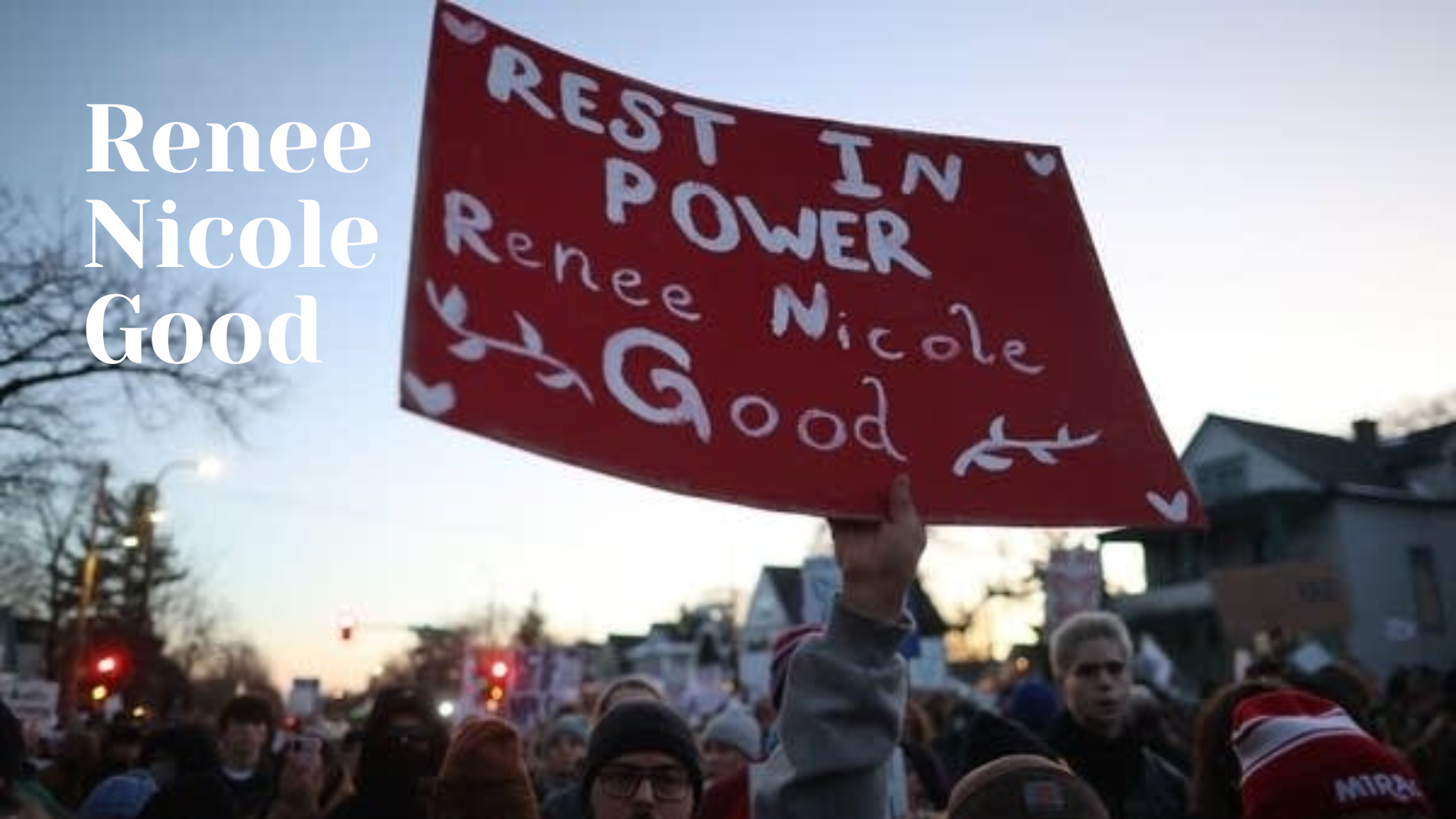
Minneapolis has been at the center of national attention in January 2026 due to a large-scale federal immigration enforcement operation and a fatal shooting involving a federal agent. At the heart of the story is Renee Nicole Good, a 37-year-old woman whose death during the operation has ignited discussions on law enforcement practices, community safety, and federal intervention in local neighborhoods. This article explores her life, the circumstances surrounding the incident, the community response, and the broader implications for Minneapolis.
Renee Nicole Good was a devoted mother and resident of the Minneapolis-Saint Paul metropolitan area. She lived with her partner and had a young son. Her family and friends remember her as compassionate, caring, and dedicated to those she loved. They emphasized that she had spent her life taking care of others and was known for her warmth, generosity, and kindness. The tragedy of her death has left a profound impact on her family and the broader community.
Beyond her role as a mother, Renee was a creative individual with a deep passion for writing. She had earned a degree in English and had pursued creative writing, developing a love for poetry and literary expression. Friends described her as someone who used writing as a way to process life, communicate her feelings, and connect with others. She had won awards for her poetry in school, highlighting her talent and dedication. Her personal identity was reflected in how she described herself online as a “poet and writer, wife and mom,” showing a balance between her artistic pursuits and her family life.
Renee’s life was not without its challenges. She had been previously married, and her former husband passed away in 2023. Despite the personal loss, she continued to focus on her family, ensuring that her son was well cared for and supported. Her family remembers her as resilient and loving, someone who maintained her creative spirit and personal commitments despite adversity.
On January 7, 2026, Renee Nicole Good was present in a residential neighborhood in south Minneapolis during a federal immigration enforcement operation conducted by the Department of Homeland Security and Immigration and Customs Enforcement. The operation involved the deployment of approximately 2,000 federal agents, making it one of the largest immigration enforcement actions in recent Minnesota history. Federal officials described the operation as targeting individuals suspected of immigration violations, fraud, and criminal activity, but it occurred in heavily populated neighborhoods and drew attention from residents and local leaders.
During the operation, Renee was fatally shot by a federal agent. Authorities stated that the agent fired on her vehicle after they believed she posed a threat to law enforcement officers. However, city officials and community members have contested aspects of this narrative, pointing out that Renee was not the target of enforcement and that her presence appeared unrelated to the federal operation. The exact sequence of events remains under investigation, with both federal and local authorities conducting inquiries to determine what led to the fatal shooting.
The incident immediately sparked public reaction. Residents of Minneapolis were shocked by the death of a woman in a residential area during a federal operation. Protests and vigils were quickly organized to honor Renee’s life and to voice concerns about law enforcement practices and community safety. Many participants emphasized the need for accountability and transparency in federal operations, particularly those taking place in populated urban areas. Community leaders and residents called for independent investigations to ensure that proper procedures were followed and to prevent similar incidents in the future.
In addition to protests, there were discussions at the municipal and state levels about the implications of federal enforcement operations. Minneapolis city leaders emphasized that local police do not enforce federal immigration laws, a policy intended to maintain trust between law enforcement and immigrant communities. The federal operation, by contrast, brought a highly visible armed presence into neighborhoods, which intensified community concern and debate about the appropriate balance between enforcement and public safety.
Community organizations responded by offering support and resources to residents affected by the federal operation and the shooting. Workshops and meetings were held to educate residents on their legal rights, provide guidance on interacting with law enforcement, and offer emotional and logistical support for families impacted by the events. These efforts reflected a proactive approach by local groups to maintain safety, community cohesion, and trust despite the tension surrounding the federal operation.
The death of Renee Nicole Good also became part of a broader national conversation about immigration enforcement, law enforcement use of force, and the intersection of federal authority with local governance. Supporters of the federal operation argue that enforcing immigration laws and addressing potential criminal activity is necessary for public safety and national security. Critics, however, emphasize that such operations, particularly when carried out in densely populated areas, can disrupt communities, place civilians at risk, and erode trust between residents and authorities. Renee’s death has highlighted these issues in a real and tragic way, bringing them to the forefront of public discussion.
Local residents also expressed concern about the impact of federal enforcement on daily life. Businesses in affected neighborhoods reported decreased activity as people stayed away due to safety concerns. Families worried about their children’s exposure to heavily armed federal agents in their communities. These practical consequences underscore the broader social effects of large-scale federal operations in residential areas and the importance of considering community wellbeing alongside law enforcement objectives.
The response to Renee’s death included a wide range of civic actions. Vigils and memorials celebrated her life as a mother, a creative individual, and a valued member of the community. Community members shared stories about her compassion, creativity, and dedication to family and friends. Her family spoke publicly about their grief, highlighting the personal impact of the tragedy and the need for accountability and justice. Civic leaders echoed these sentiments, emphasizing the importance of transparency, independent review, and community dialogue.
Federal authorities have maintained that the agent acted in self-defense and followed proper procedures. Investigations continue into the circumstances of the shooting, with both federal and local agencies examining evidence and witness accounts. The outcome of these investigations is expected to influence future policy decisions regarding federal operations in urban neighborhoods, the use of force by federal agents, and community safety measures.
Renee Nicole Good’s life and death have become emblematic of broader discussions about the relationship between federal law enforcement and the communities they operate in. She is remembered as a mother, a creative writer, and a compassionate neighbor. Her tragic death serves as a reminder of the human impact of enforcement actions and the need for careful consideration of policy, procedure, and public safety in urban environments.
In conclusion, Renee Nicole Good’s story is one of creativity, family, and community, tragically cut short during a federal enforcement operation. Her death has sparked public debate, protests, and civic engagement in Minneapolis, highlighting issues related to law enforcement, immigration policy, and community trust. While investigations continue, her legacy as a mother, writer, and compassionate individual remains, and her life continues to inspire conversations about safety, justice, and community in Minneapolis and beyond.