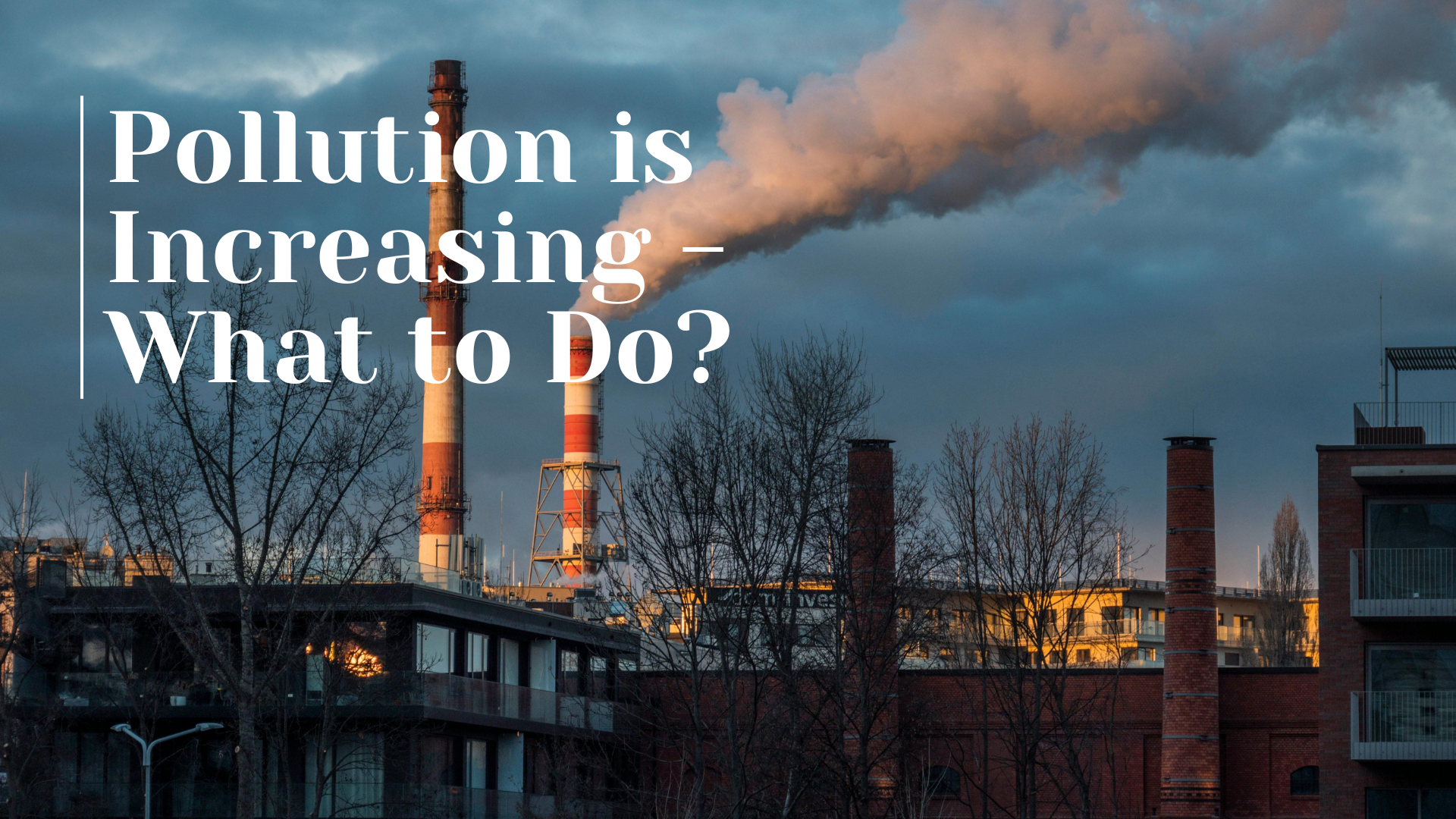
People don’t always need charts to notice when something is wrong. In many cities, the signs are already there. The air smells heavier than it used to. Dust settles faster on windowsills. Eyes sting more often. Coughs linger longer. Some mornings, the sky looks dull even when there are no clouds.
Pollution is not a new problem, but it is becoming harder to ignore. In many parts of the world, especially fast-growing urban areas, pollution is no longer an abstract environmental issue. It has become part of daily life.
Air quality alerts are issued more frequently. Masks are worn not just for health scares but for smog. Parents worry about children playing outside. Doctors quietly note rising cases of asthma and breathing-related complaints. These are not isolated incidents. They are part of a broader pattern.
What’s Actually Driving the Increase
At its core, pollution rises when growth outpaces control. Cities expand faster than infrastructure. Vehicles increase faster than regulations. Factories multiply faster than enforcement.
Traffic remains one of the most visible contributors. In many cities, car ownership has surged, but roads, fuel standards, and public transport systems have not kept pace. Engines idle in traffic jams for hours each day, releasing emissions into already crowded airspaces.
Industry plays its part as well. Manufacturing zones located near residential areas release pollutants that travel farther than expected, especially when weather conditions trap them close to the ground. In some regions, older plants continue operating with outdated equipment because upgrading is expensive and enforcement is inconsistent.
Construction adds another layer. Dust from building sites spreads across neighborhoods, settling into lungs and homes. Rapid urban development often means fewer trees and open spaces, which would otherwise help absorb some of the damage.
Waste management is another pressure point. Open burning of trash, illegal dumping, and poorly managed landfills release toxins that linger. In many places, waste systems were designed for smaller populations and are now overwhelmed.
Air Pollution Is Only Part of the Picture
When people think of pollution, they usually think of air. But pollution is broader than that, and its effects are just as quiet.
Water pollution continues to affect rivers, lakes, and underground sources. Industrial discharge, untreated sewage, and agricultural runoff contaminate water supplies that millions depend on. In some areas, people know their water is unsafe but have no affordable alternative.
Plastic pollution has become so common that it barely surprises anyone anymore. Bags clog drains. Bottles float in waterways. Microplastics, invisible to the eye, are now found in food, water, and even human blood. The long-term effects are still being studied, but the presence alone has raised serious concern.
Noise pollution, often overlooked, has also increased. Constant traffic, construction, and industrial activity create sound levels that affect sleep, concentration, and mental health. In dense urban areas, silence has become rare.
Why It Feels Worse Than Before
Many people say pollution feels heavier now than it did years ago. Part of that is because it is.
Urban populations have grown rapidly, concentrating pollution sources into tighter spaces. Climate patterns also play a role. Heat can trap pollutants closer to the ground, creating smog that lingers instead of dispersing.
There is also greater awareness. Air quality apps, health reports, and social media have made pollution more visible. People now track air quality the way they track weather. When numbers turn red, anxiety follows.
At the same time, tolerance has dropped. What was once accepted as the cost of progress now feels unacceptable, especially when health effects become personal. When a child struggles to breathe or an elderly parent develops chronic respiratory issues, pollution stops being theoretical.
Health Effects That Build Slowly
Pollution rarely causes immediate, dramatic illness. Instead, it works quietly.
Long-term exposure to polluted air increases the risk of heart disease, lung conditions, and strokes. Children exposed to high pollution levels can experience reduced lung development. Older adults are particularly vulnerable during periods of severe smog or heat.
Mental health is also affected. Studies have linked pollution exposure to increased stress, anxiety, and cognitive fatigue. Constant noise, poor air, and reduced access to green spaces take a psychological toll that is harder to measure but widely felt.
What makes pollution especially dangerous is that its damage accumulates. A single bad day may not matter much. Years of exposure do.
What Governments Are Doing — and Not Doing
Many governments have acknowledged the problem. Emission standards exist on paper. Environmental agencies publish reports. Targets are announced.
But enforcement is uneven. Regulations are often relaxed to protect economic growth. Monitoring systems may exist without consequences. Fines are sometimes cheaper than compliance.
Public transport improvements are promised but delayed. Renewable energy projects face bureaucratic hurdles. Waste management reforms stall due to funding gaps or political resistance.
In some cases, pollution control competes directly with jobs and industry. Closing or upgrading factories can mean layoffs. Restricting vehicles can anger commuters. These trade-offs make decisive action politically difficult.
As a result, progress tends to be slow, incremental, and inconsistent.
What Individuals Can — and Can’t — Do
Individuals are often told to “do their part,” and while personal actions matter, they have limits.
Using public transport, reducing car use, avoiding waste burning, conserving energy, and minimizing plastic use all help at a small scale. Supporting cleaner products and holding companies accountable through consumer choices can also make a difference.
But pollution is largely a systemic issue. One person switching to reusable bags does not offset unchecked industrial emissions. Real change requires coordinated action from governments, industries, and urban planners.
That said, public pressure matters. When pollution becomes a voting issue, policies shift faster. When communities demand cleaner air and water, enforcement improves. Silence benefits polluters more than protests do.
Small Improvements Still Matter
Not all news is negative. Some cities have seen measurable improvements after introducing cleaner fuels, regulating traffic, or expanding green spaces. Air quality can recover faster than many expect once sources are controlled.
Technology has also improved monitoring. Pollution is harder to hide now. Data exposes patterns that were once ignored, and that visibility creates pressure.
The challenge is consistency. Pollution control works best when it is boring, long-term, and strictly enforced — not when it appears only during crises.
Living With the Reality
For now, many people are adjusting rather than escaping. Air purifiers are common. Masks are kept handy. Outdoor plans are checked against air quality reports. These are coping strategies, not solutions.
Pollution has become one of those problems that doesn’t dominate headlines every day but never truly disappears. It sits in the background, shaping health, behavior, and quality of life.
The danger is normalization. When polluted air becomes “just how it is,” urgency fades. History shows that environmental damage often accelerates once societies accept it as inevitable.
Pollution is not inevitable. It is the result of choices, delays, and priorities. Reversing it requires different choices, made consistently and enforced seriously.
For now, the signs are already in the air, the water, and the noise around us. Most people don’t need an expert to tell them pollution is growing. They can feel it every time they step outside.