SAN ANTONIO — When the University of Texas at San Antonio (UTSA) launched its football program in 2011, few could have predicted how rapidly the Roadrunners would grow into one of the most exciting and talked‑about teams in college football. In just over a decade, UTSA has gone from newcomer status to a respected contender in one of the sport’s toughest competitive landscapes.
This season, the Roadrunners continued to build on that foundation, delivering high‑energy performances, thrilling finishes and a level of consistency that has come to define the program’s modern era. From a passionate fan base that packed the Alamodome to thrilling wins that reverberated beyond Texas, UTSA football has become one of the country’s most compelling underdog stories — a program that earned respect not just regionally, but nationally.
Building a Program From Scratch
UTSA football began in the fall of 2011 under then‑head coach Larry Coker, a veteran leader who had previously guided the Miami Hurricanes to a national championship. Even from the outset, there was belief that San Antonio — the nation’s seventh‑largest city without a major‑college football presence — could sustain a competitive program. A decade later, that belief has proven justified.
Early years were marked by steady growth rather than instant success. The Roadrunners battled through growing pains typical of new teams — recruiting challenges, establishing traditions, and finding an identity on both sides of the ball. Yet fans embraced the young team with enthusiasm. The Alamodome quickly became a fortress not just in name, but in experience, with game days turning into celebrations of local pride.
Through the program’s formative seasons, UTSA consistently improved its win totals, built a recruiting footprint in Texas and beyond, and demonstrated that it was serious about competing at the highest level of college football.
The Rise Under Current Leadership
In 2015, UTSA elevated its football ambitions by hiring head coach Frank Wilson, who brought energy and regional recruiting strength. Under Wilson’s leadership, the Roadrunners made their first bowl appearance in 2016, a significant milestone that signaled the program’s arrival on the bigger stage.
Wilson’s tenure laid much of the groundwork for what was to come, but it was under coach Jeff Traylor — who took over in 2020 — that UTSA truly exploded into national conversation. Traylor, a Texas high‑school coaching legend with deep ties across the state’s fertile football landscape, supercharged recruiting, brought a rugged identity on offense and defense, and instilled a confidence that spread through the locker room and into the stands.
Since his arrival, the Roadrunners have seen sustained success, including multiple winning seasons, conference title contention, and appearances in significant bowl games. By emphasizing physicality, efficiency and relentless effort, Traylor’s teams have become known for their ability to compete with and often beat programs with much longer histories.
A Defining Season and National Respect
Recent seasons have seen UTSA not just win games, but make statements. A series of signature victories against well‑established programs underscored that the Roadrunners are not just rising — they are competing on equal footing with teams from major conferences.
Fans in San Antonio now talk about the Roadrunners in the same breath as long‑time rivals, and college football analysts have acknowledged UTSA as a program to watch. The rise has not been accidental or fleeting; it has been methodical, built on recruiting strong Texas talent, developing players through physical schemes, and fostering a culture that prizes toughness and unity.
While not yet a traditional powerhouse, UTSA has become a fixture in discussions about the most exciting emerging programs. Its trajectory mirrors that of some of the sport’s fastest surging teams, earning attention from recruits, broadcasters and fans nationwide.
A Fan Base That Believes
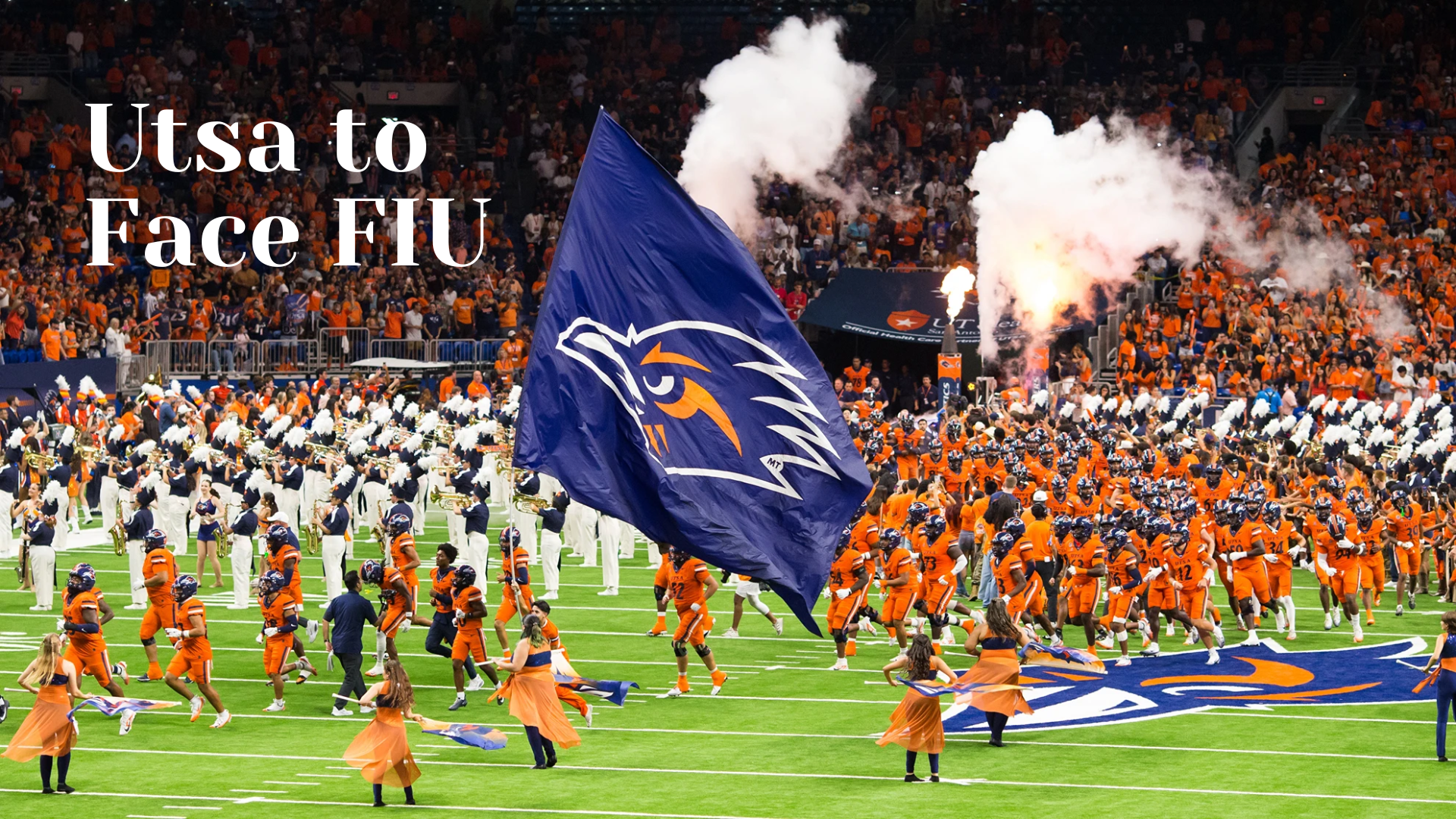
The energy around UTSA football has been remarkable. Alum and local residents have embraced the Roadrunners with passion, packing the Alamodome for home games and creating a home‑field advantage that few newcomers enjoy. Tailgates, student sections and band performances have all contributed to an atmosphere that feels bigger than a team just over a decade old.
Local businesses have partnered with the program, and gameday has become a city‑wide event in San Antonio. The patriotic imagery of orange and blue, chants echoing through the stadium, and community pride in every first down and touchdown reflect a fan base that feels emotionally invested in the program’s success.
That bond between team and community is part of what makes UTSA football special. In an era where college programs often rise and fall with coaching changes, UTSA’s fans have been there through the growth years and the breakout moments alike.
Key Players and Breakout Stars
Throughout its rise, UTSA has developed a series of players who have become cornerstones on both sides of the ball. Quarterbacks who command both arm and legs, running backs with physicality and balance, linebackers who anchor the defense and receivers who make contested catches have all contributed to the Roadrunners’ identity.
One of the consistent traits of recent UTSA teams has been resilience. The Roadrunners have often answered adversity — turnovers, opponent momentum, and late‑game pressure — with grit and execution. That trait is not accidental; it stems from a coaching philosophy that prizes preparation, effort and holding each other accountable.
Team captains have often emerged not just as statistical leaders, but as emotional leaders in the locker room — players whose voices carry weight and whose example inspires teammates to elevate their play.
Rivalries and Recruiting Battles
As UTSA has risen, so have local and regional rivalries. Games against state foes carry special meaning — not merely as contests on the schedule but as battles for recruiting ground, local bragging rights and regional supremacy. Matches against programs like Texas State and others in the region have become must‑watch affairs, and victories in those games are treated as markers of the program’s evolving stature.
Recruiting has also played a key role in UTSA’s ascent. Texas, with its deep pool of high school talent, presents opportunities and challenges. Programs from across the country compete for the state’s top prospects, but UTSA has found success by identifying players who fit its culture and schemes — often undervalued recruits who thrive in the Roadrunners’ system and develop into impactful contributors.
What This Season Has Meant
The most recent season saw UTSA continue its pattern of finishing strong. After an early stretch with ups and downs, the Roadrunners found consistency in the middle and late portions of their schedule, earning key wins, contending for their conference championship and putting fans in the Alamodome on their feet.
Critical turning points came in games where UTSA played with poise in late situations, showing the kind of maturity that makes programs reliable. Defensive stands when behind, fourth‑quarter drives that sustain scoring opportunities, and adjustments at halftime that shift momentum all became highlights in a season where every win felt hard‑earned.
Such moments do more than add wins in the books. They build belief — in the locker room, in the coaching staff and among the fan base. That confidence carries into recruiting cycles, future scheduling, and broader respect from the media and conference rivals.
Looking Ahead
The Roadrunners aren’t slowing down. With a strong returning core and a rising recruiting class, expectations are high for next season. Analysts are projecting UTSA as a contender once again, capable of pushing deeper into postseason play and challenging for conference championships.
While college football’s landscape remains unpredictable, UTSA’s trajectory feels sustainable because it has been built on consistent leadership, a clear identity and a culture that emphasizes growth. The program’s rise from startup to contender offers a blueprint for how new football programs can succeed in a crowded and competitive field.
The Bigger Picture
UTSA football represents more than a young program finding its footing. It symbolizes a community’s desire to compete at the highest level and a coach’s ability to transform vision into reality. It stands as a reminder that college football’s most exciting stories often come not just from perennial powers, but from programs that emerge with passion, hard work and belief.
With every season, the Roadrunners write another chapter in a story that has already defied expectations. From their first kickoff to their latest thrilling victory, UTSA has captured attention, inspired a fan base and earned respect across the sport.
As the sun sets over the Alamodome and the echoes of another crowd fade into memory, one thing is clear: UTSA football isn’t just growing — it’s here to stay.