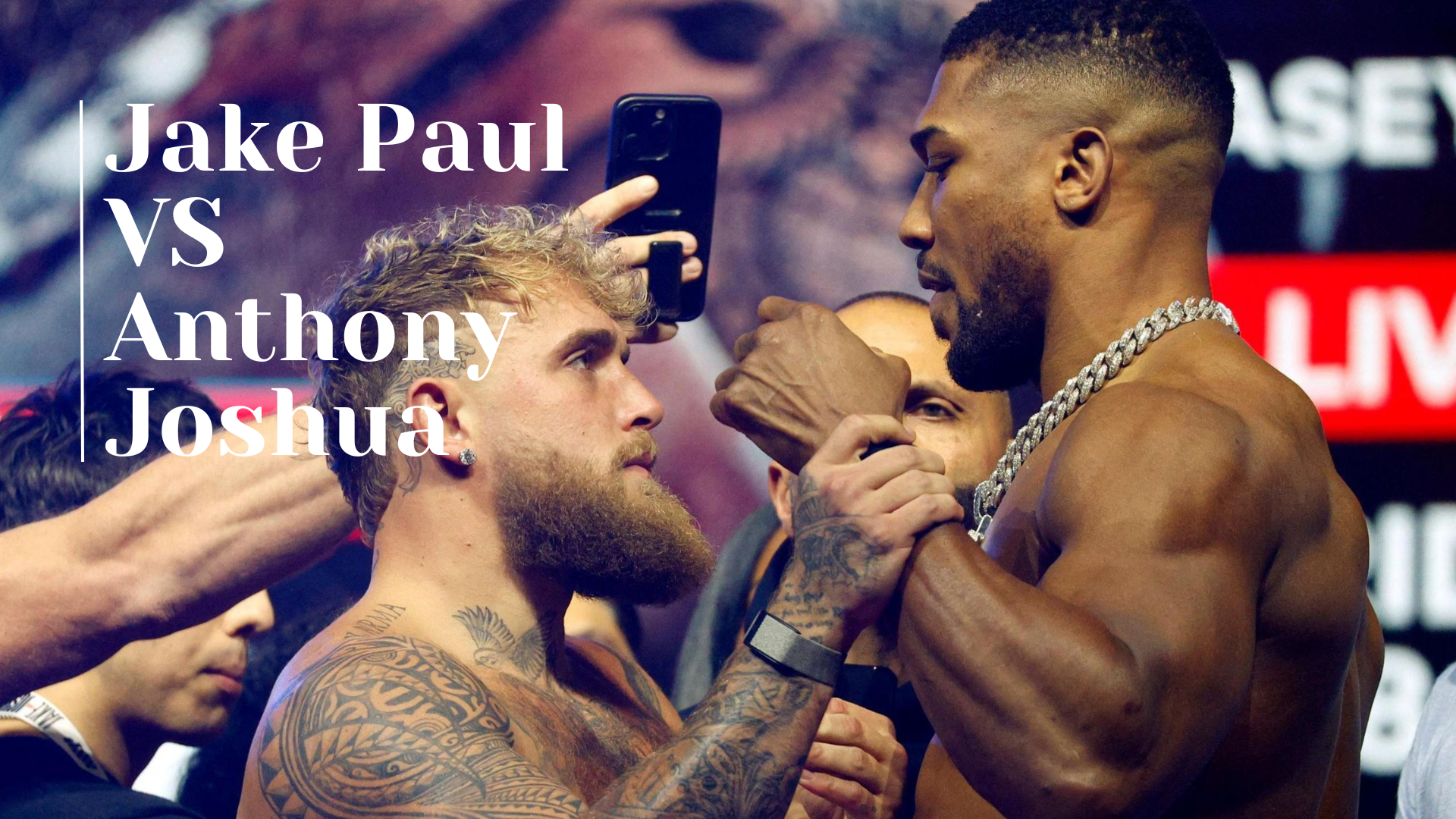
MIAMI — When Jake Paul and Anthony Joshua walked into the ring on Friday night at the Kaseya Center, expectations were mixed. Jake Paul, the YouTuber‑turned‑boxer, had built a career in the sport over the past several years, taking on a series of opponents and drawing millions of viewers. Anthony Joshua, a former unified heavyweight world champion and Olympic gold medalist, was stepping into the ring after more than a year away from professional competition. What happened next left little room for debate.
Joshua stopped Paul in the sixth round, knocking him out and ending the fight decisively. The matchup, billed as “Judgment Day,” marked one of the highest‑profile crossover fights in recent boxing history and has sparked widespread discussion ever since.
From the opening bell, Joshua’s experience was clear. The former two‑time unified heavyweight champion used a methodical approach, letting Paul move and observe before gradually asserting himself. Paul kept his distance in the early rounds, moving around the ring and attempting to stay clear of Joshua’s power. But as the fight progressed, Joshua found his rhythm and began to dominate the exchanges.
In the fifth round, Paul was dropped twice, a sign that the bout was shifting decisively in Joshua’s favor. Those knockdowns set up the ending that came in the sixth, when Joshua landed a heavy combination that sent Paul down again. After rising to his feet, Paul was hit again, prompting the referee to halt the fight at 1 minute 31 seconds of round six.
The stoppage was definitive. Paul, who had moved up to heavyweight for the contest, showed resilience by lasting several rounds against a much heavier and more experienced opponent, but he ultimately could not withstand Joshua’s power and precision.
Inside the arena, the crowd reacted with a mixture of stunned silence and applause. This was not a controversial decision. It was a clear statement of difference in experience, strength and execution.
Paul was tended to by medical staff immediately after the stoppage and later shared that he believed he had suffered a broken jaw during the fight. He was conscious and communicative before leaving for further evaluation, and his promotional team indicated there should be no long‑term health impact, though he will be sidelined while he recovers.
For Joshua, the victory was a return to form. This was his first fight since suffering a knockout loss last year, and he showed the poise and power that once made him one of boxing’s most feared heavyweights. When asked afterward, he acknowledged that the early rounds were cautious but said his objective was always to control the fight and finish it when the moment came.
“I knew he would be tricky at range,” Joshua said. “He moves well and stays busy, but I needed to find my distance. Once I did that, I could start doing what I do best.”
Joshua also took a moment to challenge other top heavyweights, including former rival Tyson Fury, hinting that a big‑name matchup could be next.
Paul’s reaction was measured. He expressed appreciation for the experience and said he would take time off to heal before deciding his next move. At 28 years old, he is at an age where boxers can still develop and refine their skills, but this loss is a clear indicator of the level he now aims to reach.
The size difference in the fight was notable. Joshua tipped the scales at more than 240 pounds, while Paul, who typically competed at cruiserweight, weighed a lighter 216 pounds on fight night. That difference, combined with Joshua’s long record of elite competition, was a defining factor in how the fight played out.
Leading up to the bout, Paul had drawn strong betting support despite being a significant underdog. Many casual fans backed him, intrigued by the matchup’s novelty and the possibility of an upset. But as the fight unfolded, it became apparent that Joshua’s technique, patience and power would be too much for Paul over multiple rounds.
Paul entered the fight with a professional record that included notable wins and only one prior loss. His career has been a mix of spectacle and athletic growth, with critics often questioning the legitimacy of his opponents and supporters defending his progress through increasingly challenging contests. This fight changed some of that narrative. Against a seasoned former world champion, the result was unequivocal.
The event was streamed live and drew significant global attention. The undercard, which featured several title fights in women’s boxing, added depth to the boxing night, but much of the focus remained on the main event.
The aftermath of the fight has prompted a range of reactions from fans, athletes and commentators. Some praised Paul for his toughness and willingness to face a formidable opponent. Others saw the loss as a necessary reckoning, demonstrating that the path he has taken through boxing must now confront the sport’s traditional hierarchy if he hopes to reach its upper echelons.
Joshua’s performance also reignited conversations about his place in the heavyweight division. The former champion has talked in the past about reclaiming a title and testing himself against the best in the sport. This win reinforces that narrative and gives him momentum as he looks toward the next stage of his career.
Boxing purists and casual viewers alike have weighed in on the broader implications. In a landscape where crossover fights — matches that mix entertainment personalities with professional athletes — have become more common, this result serves as a reminder that experience and elite skill still hold sway in competitive boxing.
The fight also reignited talk about the role of crossover matches in the sport. Some argue that they attract new audiences and boost interest in boxing, while others believe they risk diluting competitive standards. In this case, the result was decisive enough that it may strengthen the view that boxing’s elite still operate in a realm where traditional expertise matters most.
For Paul, the road ahead will involve recovery, reflection and decisions about where he goes next. His loss to Joshua is a milestone in his career — not an end, but a pivotal moment.
For Joshua, the victory opens doors back into the heavyweight conversation. Whether he pursues another title shot or high‑profile bouts with established rivals, Saturday’s result in Miami underscored that he remains a force in the division.
The sport moves on, as it always does. What happened in that ring on Dec. 19, 2025, will be remembered not for controversy, but for clarity: in a sanctioned heavyweight contest between a seasoned champion and a crossover contender, the champion delivered a knockout that left no questions unanswered.