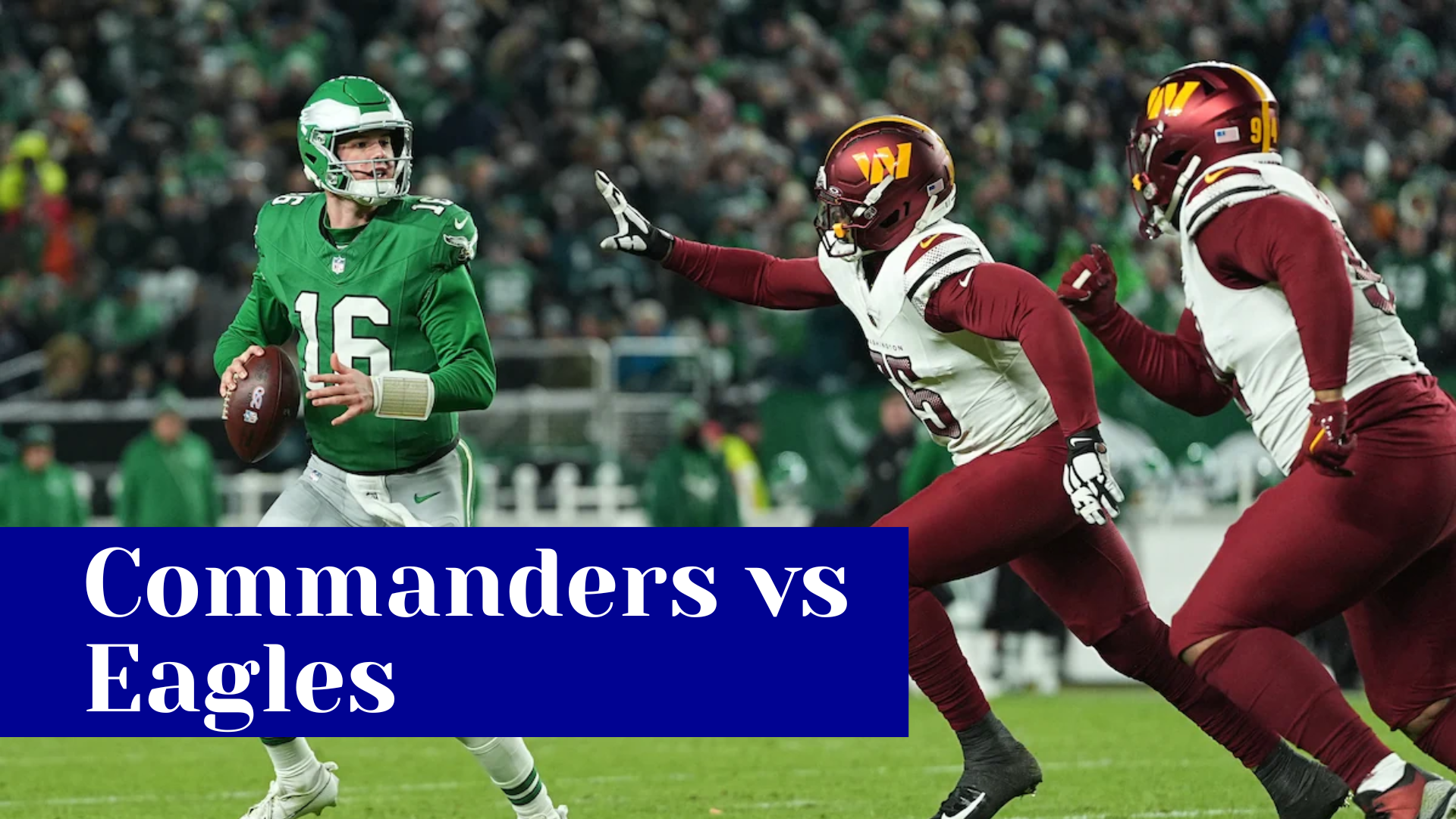
Philadelphia — In the final game of the 2025 NFL regular season, the Washington Commanders pulled off an unexpected 24‑17 victory over the Philadelphia Eagles at Lincoln Financial Field. What began as a relatively low‑profile Week 18 matchup transformed into a meaningful contest when the Commanders, long out of playoff contention, defeated a formidable Eagles squad that entered the day with one of the league’s best records.
The win served as a memorable closing chapter for Washington’s campaign and gave Commanders fans a bright note to end a season that often felt uphill. For the Eagles, resting many key starters in advance of the playoffs and experimenting with backup personnel made this game less about seeding and more about maintaining rhythm and health. Still, Sunday’s result was a meaningful footnote in the closing weekend of the 2025 season.
Weather, Lineups and Stakes
Played on a clear afternoon with crisp winter winds sweeping through the stadium, kickoff came with contrasting motivations for the teams. Philadelphia entered at 11‑5, already assured of a playoff berth and positioned for a top‑three seed in the NFC. Head coach Nick Sirianni made the pragmatic decision to rest many regulars — including starters at quarterback, running back and key defensive positions — with an eye on avoiding injury before the postseason.
Washington, meanwhile, came in at 4‑12. The Commanders’ season had been marred by inconsistency and injuries, and playoff hopes had long since disappeared. Still, a chance to close the year with a win on the road against a division rival offered tangible incentive, and both sides treated the day as an opportunity to compete and showcase depth players. With starters inactive on both rosters due to strategic rest or injury preservation, the stage was set for veterans and backups to define the afternoon through determination and execution.
First Half: Early Exchanges
The Eagles struck first with momentum built on their first possession. Backup quarterback Tanner McKee led a short, efficient scoring drive capped by a 15‑yard touchdown pass to his tight end, Grant Calcaterra. The play was a reminder that even in a game with resting starters, execution and opportunity still influence outcomes. Philadelphia’s early score reflected a methodical approach: short gains, well‑timed protections and positioning that trusted personnel to move into scoring range.
Washington responded on its second possession, using well‑planned play calls to grind yardage on the ground and ultimately punch in a one‑yard rushing touchdown from running back Chris Rodriguez Jr. The Commanders’ offense, a blend of run sets and short, high‑percentage passes, put points on the board and kept the game level early. The drive emphasized ball control, adherence to fundamentals, and a clear plan from coordinator to mix attempts in a way that allowed newer personnel to make plays without undue risk.
Late in the second quarter, Washington kicked a 56‑yard field goal, giving the visitors a 10‑7 lead at halftime. That long kick was a momentum shift — both psychologically and on the scoreboard — and spoke to the trust the coaching staff had in senior specialists to convert when opponents were least expecting it.
Second Half: Eagles Respond and Commanders Counter
The third quarter saw the Eagles retake the lead. Their offense, fueled by a short touchdown run from backup runner Tank Bigsby, moved efficiently downfield thanks to clean protection and well‑timed blocks. The score demonstrated that even with many starters down for rest, Philadelphia’s depth players could execute and capitalize on opportunities against a defense focused on bending but not breaking.
Washington’s response in the second half was marked by adjustments and opportunism. Quarterback Josh Johnson, a veteran making his second start of the season, managed the offense with surprising calm and clarity. A key touchdown pass to tight end John Bates gave the Commanders the advantage and highlighted both Johnson’s decision‑making and the willingness of his coaching staff to trust him in high‑leverage moments. Rodriguez Jr.’s later one‑yard rushing score in the fourth quarter ultimately proved decisive.
Johnson finished his performance with a modest but efficient stat line that reflected a seasoned understanding of the game. He completed a majority of his passes for over 130 yards, threw a touchdown, and added valuable rushing yardage and a touchdown himself. More importantly, he led two critical scoring drives in the final stanza — drives that swung the game in Washington’s favor and demonstrated the value of experience when younger and backup players are tasked with stepping into the spotlight.
Defense and Turnovers: Key to the Upset
Washington’s defense played a pivotal role in dictating the rhythm of the contest. After an early turnover on offense, the Commanders’ defense responded with intensity, forcing an interception that set the stage for the team’s first lead. Safety Jeremy Reaves made a heads‑up play in the second quarter when he read a pass and hauled in the ball, setting up the field goal that gave Washington its halftime advantage.
Throughout the second half, the Commanders applied pressure on McKee at key times, and three sacks in the game helped stall Philadelphia’s momentum in critical sequences. Veteran linebacker Von Miller was among those contributing to those pressures, capping his season with a sack late in the game. His veteran presence along with emerging contributors helped Washington maintain a disruptive edge.
On the Eagles’ side, penalties and lapses in discipline hindered some of their offensive rhythm. Combined with the absence of starters, this reinforced the difficulty of building consistent drives against a defense that was prepared and ready to challenge each set of downs. Philadelphia’s backup defense prevented long, explosive gains for the Commanders but occasionally yielded ground in short yardage situations that translated into pivotal scoring opportunities.
Coaching and Game Management
Eagles coach Nick Sirianni described the decision to rest key personnel as a strategic choice rooted in long‑term planning. With playoff positioning largely secured before kickoff, the priority shifted to preserving health and assessing younger players for depth purposes. While the loss did cost Philadelphia a shot at improving its seed slightly, the greater emphasis remained on fielding a healthier squad once the postseason begins.
Commanders head coach Dan Quinn, in contrast, framed the win not only as a positive result but as an affirmation of the team’s commitment to compete regardless of record. Quinn singled out veterans for their leadership — especially the defensive stalwarts whose influence and experience helped keep younger or less‑seasoned teammates in effective position throughout swings in momentum.
What This Means for Each Team
For the Eagles, the defeat does not undo a season that saw them win the NFC East and secure a strong playoff seed. Instead, the game functioned as a rehearsal of depth and a chance to evaluate backup contributors under game conditions. Their regular‑season performance, rooted in consistency and high‑level play over many weeks, remains the dominant storyline of their 2025 campaign. They head into the Wild Card round as established contenders with a balanced roster and clear postseason objectives.
Washington’s victory, while not altering postseason playoff paths, offered a morale boost and a positive conclusion to a season that otherwise featured more losses than wins. Finishing 5‑12, the Commanders showed signs of progression and were able to build positive momentum at the very end. Beyond the immediate satisfaction of a win in a storied rivalry matchup, Washington gained the tangible reward of positioning themselves for an early pick in the 2026 NFL Draft — a valuable asset as the team rebuilds and seeks long‑term roster improvement.
Beyond Week 18: Narrative and Context
The Eagle‑Commanders rivalry has a long history, and this latest meeting adds an interesting footnote. While earlier in the season Philadelphia had handled Washington in a more typical NFC East clash, the Week 18 result reminds fans that rivalries often transcend records and standings. On any Sunday, with the right mix of effort, focus and opportunism, an underdog can deliver a meaningful result.
Historically, these two franchises have met in several pivotal games over the decades. Dating back to earlier playoff matchups and memorable regular‑season showdowns, Commanders‑Eagles contests often carry emotional weight for fans and players alike. Sunday’s result will be remembered not as a playoff thriller but as a gritty, competitive finale that allowed younger players to rise and veterans to leave their imprint.
Players to Watch Moving Forward
For the Eagles, watch for DeVonta Smith — who crossed the 1,000‑yard receiving mark on the afternoon — as a key figure once starters return for the postseason. His playmaking ability remains central to Philadelphia’s offensive identity.
For the Commanders, veteran linebacker Bobby Wagner reached a rare milestone during the game, joining an elite group of defenders in career tackles. While his future beyond 2025 remains open to discussion, his presence in this game and throughout his career has been an anchor for Washington’s defensive unit.
A Meaningful Finale
The Washington Commanders’ 24‑17 victory over the Philadelphia Eagles in Week 18 was a competitive, engaging conclusion to the 2025 regular season. With backup quarterbacks, rested starters, playoff implications and long‑standing rivalry undertones, Sunday’s game delivered both narrative and substance. Washington seized its opportunities and closed on a high note, while Philadelphia protected its overall season success and turned its focus to the postseason ahead.
This matchup may not have altered the playoff landscape dramatically, but it served as a reminder of the unpredictable, dramatic nature of NFL football — where even endings carry excitement, significance and the promise of what comes next.