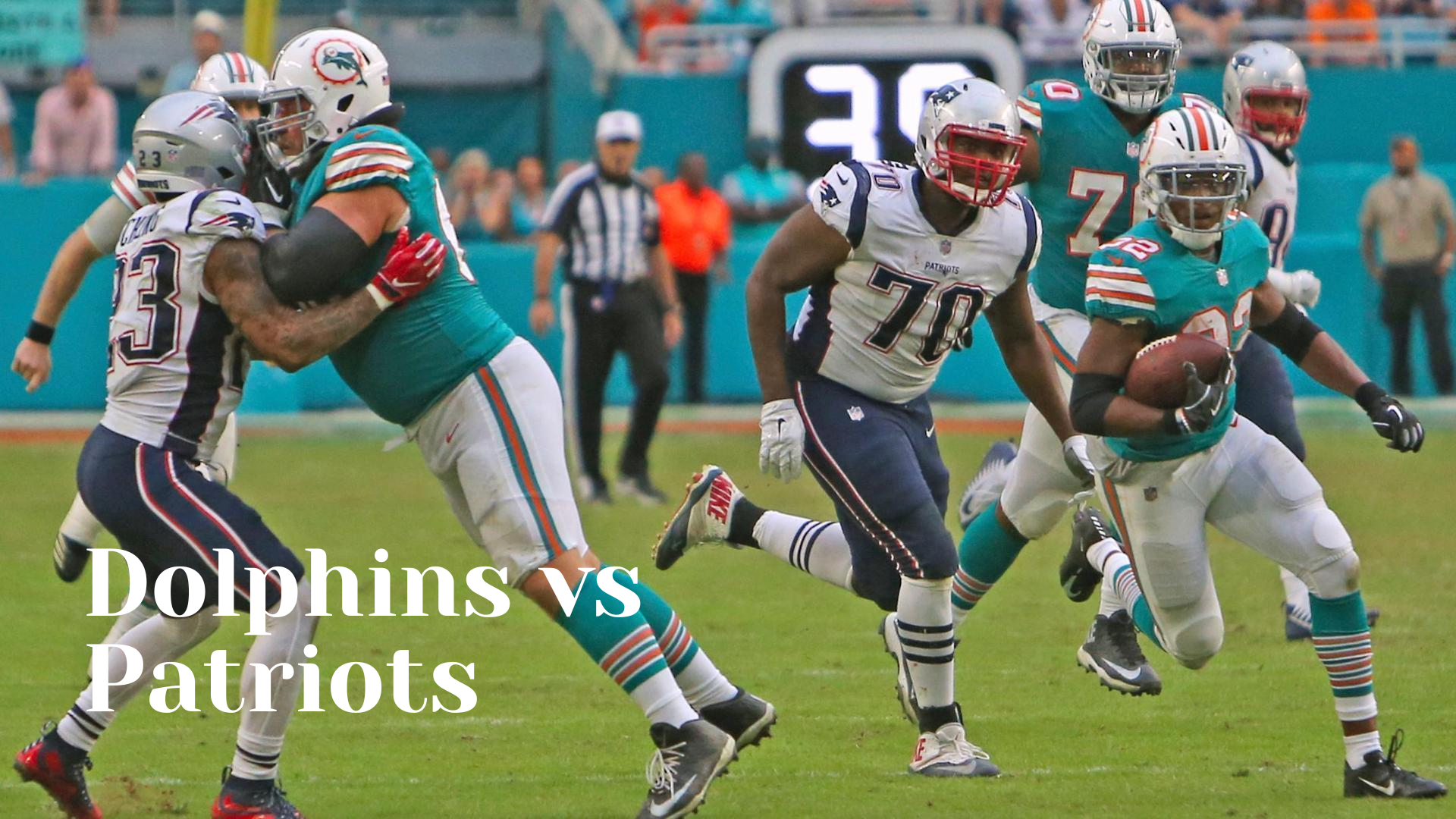
Foxborough, Massachusetts — The New England Patriots capped off a remarkable 2025 regular season by dispatching the Miami Dolphins 38‑10 in their Week 18 showdown at Gillette Stadium. The victory secured the Patriots the No. 2 seed in the AFC playoffs and underscored the team’s resurgence under head coach Mike Vrabel. For Miami, the loss wrapped up a disappointing campaign that ended with more questions than answers.
The final Quarterback Sweepstakes and playoff stakes created a contrast between the two teams: New England was fighting for seeding and momentum, while Miami’s postseason hopes had already faded. What unfolded was a one‑sided victory for the Patriots, a culmination of efficiency on both sides of the ball and missed opportunities for the Dolphins.
First Half Sets the Tone
From the opening snap, the Patriots asserted their physical identity. Running back Rhamondre Stevenson spearheaded the ground game with authority, breaking off a series of long runs that put New England in prime position. On the third play of the game, Stevenson raced 56 yards, setting up a short touchdown run by teammate TreVeyon Henderson. That quick score signaled the Patriots’ intent and gave them an early lead they would never relinquish.
Stevenson’s early success was more than a big play; it revealed the Patriots’ commitment to a robust rushing attack that kept Miami’s defense off balance. Behind tight blocking and decisive cuts, New England controlled tempo and possession, forcing the Dolphins into catch‑up mode early.
Quarterback Drake Maye, making a case for MVP consideration, managed the offense with poise, completing high‑percentage throws and maintaining a rhythm that complemented the run game. Maye’s awareness and accuracy helped the Patriots sustain drives and avoid third‑down desperation sequences, allowing New England to play with comfort even as the score widened.
Miami’s Response and Early Challenges
Miami showed a spark on its second possession, moving methodically into New England territory. Rookie quarterback Quinn Ewers, making his third straight start, delivered several completions to wide receiver Theo Wease Jr. and rookies in the receiving corps, earning a trip into the red zone. On that drive, tight end Malik Washington added an end‑around that got the Dolphins inside the 10‑yard line, teasing what could have been a competitive swing in momentum.
That initial promise resulted in a touchdown, narrowing the gap briefly. A 52‑yard field goal later in the second quarter pushed Miami’s point total to ten. But midway through the game, the Dolphins began to unravel. An interception by Ewers early in the third quarter led directly to another Patriots touchdown, and a subsequent series of New England scoring drives put the game firmly out of reach.
Miami’s offensive struggles were rooted in protection issues and lack of consistent run support. Without their star running back De’Von Achane and top receiver Jaylen Waddle — both sidelined with injuries — the Dolphins lacked dynamism on offense. Their ground game failed to generate sustained pressure, and passing lanes often narrowed before plays could develop. As a result, Miami’s longest meaningful drives yielded only one touchdown and one field goal in the first half.
Patriots Seize Control in the Second Half
New England’s offense tightened its grip in the second half. After the turnover that set up another score, the Patriots took a commanding lead and never looked back. Stevenson continued to pile up rushing yards and score his second and third touchdowns of the game, finishing with 131 yards on the ground. Patriots run blocking opened seams consistently, turning what early looked like a promising defensive performance by Miami into an offensive avalanche for New England.
Running back TreVeyon Henderson also left his mark, scoring twice and crowding into the end zone with a physical running style that exemplified the Patriots’ identity. With a lead that ballooned to 31‑10 early in the fourth quarter, New England’s coaching staff had the luxury of rotating players and giving valuable reps to backups.
Defensively, the Patriots forced two key turnovers. A forced fumble by linebacker Jack Gibbens, recovered by Elijah Ponder, shifted field position and halted a promising Miami possession. Safety Jaylinn Hawkins’ interception helped compound Miami’s woes, turning potential momentum into scoring opportunities for New England. The Patriots’ defense also pressured Ewers relentlessly, racking up multiple sacks and containing Miami’s running backs when they attempted to cut outside lanes.
Maye’s night was efficient if not explosive. He completed a high percentage of his passes, threw for a touchdown, and added 41 yards on the ground. More importantly, his leadership helped sustain the Patriots’ early advantage and allowed them to control the clock with long, methodical drives.
Series Context and Season Narrative
The Week 18 matchup was the second meeting of the season between these AFC East rivals. Earlier in the year, the Patriots also emerged victorious in Miami, winning a close 33‑27 game that extended their momentum within the division. That earlier result, combined with Sunday’s decisive win, gave New England a season sweep against the Dolphins — a feat they had not accomplished since 2016.
Historically, Patriots vs. Dolphins is one of the NFL’s most enduring rivalries, dating back to the 1960s. While the Dolphins once dominated the series, recent years have seen New England reassert itself. The Patriots finished the season with a 14‑3 record, their best in nearly a decade, and wrapped up their division title with authority. Miami, by contrast, ended 7‑10, marking a second consecutive season without a playoff appearance.
Injury Challenges and Roster Depth
A major subplot around the game centered on Miami’s inactive players. With Achane and Waddle sidelined, the Dolphins were forced to turn to depth options in both the running and receiving corps. That absence was significant; Achane alone accounted for a large share of Miami’s offensive production throughout the season, and Waddle’s ability to stretch defenses was sorely missed. Other key Dolphins, including their starting quarterback Tua Tagovailoa and several defensive playmakers, were also unavailable.
New England, meanwhile, played with a mix of returnees and backups. Running back Will Campbell and defensive tackle Milton Williams both rejoined the lineup after stints on injured reserve, providing a boost in the trenches. Still, the Patriots dealt with injuries among their own starters, a testament to the physical grind of an NFL season. Despite that, New England’s depth and coaching adjustments helped maintain a high level of execution.
Off‑field narratives also folded into the Week 18 story. Patriots standout receiver Stefon Diggs and defensive lineman Christian Barmore dealt with legal issues, but coaching staff and teammates publicly emphasized unity and a commitment to focus on football. Those dynamics reflect the real‑world complexities of managing a pro football roster under pressure while maintaining performance.
Broader Implications
For the Patriots, finishing 14‑3 is a notable achievement. It marked the sixth time in franchise history that the team won 14 or more games in a season, a club standard typically associated with championship contenders. Their performance in the regular season — including winning 10 straight games at one point — places this edition of New England among the more consistent teams in recent years.
By capturing the AFC East and earning the No. 2 seed in the AFC playoff bracket, the Patriots secured homefield advantage in the Wild Card round against the Los Angeles Chargers. That postseason matchup promises to test New England’s mettle against a dynamic passing attack and challenge both offensive and defensive coordinators to balance aggression with control.
For the Dolphins, the final game highlighted areas that will be central to offseason evaluation. The team’s inability to close games, offensive limitations without key starters, and defensive struggles in the second half underscored the need for roster development and potential changes in strategy. Miami’s quarterback situation — led by rookie Quinn Ewers this season — will be a key focus, as will decisions about personnel in the backfield and receiving corps.
Narrative and Fan Reaction
Reactions from fans and media after the game captured the contrasting fortunes of the two franchises. Patriots supporters celebrated an accomplished regular season and the resurgence of a storied program, while Dolphin fans expressed frustration over injuries and inconsistency. Social conversations highlighted the effectiveness of New England’s run game and questioned Miami’s ability to adapt when missing impact players.
Analysts noted that while the result was emphatic, it fit the broader arc of the 2025 NFL season: the Patriots emerged as a balanced team capable of winning in multiple ways, and the Dolphins struggled to find continuity amid roster turnover and injuries. The Week 18 finale served as a case study in execution under playoff pressure, even when the broader postseason fate of a team is already determined.
Looking Ahead
With the regular season complete, the Patriots now turn their attention fully to the playoffs, aiming to leverage their momentum and homefield environment to make a deep run. The Chargers pose an early challenge, but New England’s balanced attack and stout defense — combined with homefield conditions — give them a clear blueprint for success.
For Miami, the offseason looms large. Evaluations of coaching strategy, roster composition, and player development will take center stage as the franchise seeks to return to relevance in a competitive AFC East. The experiences gained by young contributors this season may inform decisions moving forward, but most fans and analysts agree that meaningful adjustments will be needed to elevate the Dolphins back into playoff contention.
The Patriots’ 38‑10 rout of the Dolphins in Week 18 was more than a lopsided score; it was a culmination of a season defined by resilience, strategic growth and execution. New England’s ability to balance physical rushing with efficient passing, control possession, and pressure the opponent defensively reflected a team ready for postseason football. Miami’s efforts, while spirited at times, underscored the importance of health, depth and adaptability in a long NFL season.
As the Patriots march on into January play, memories of Sunday’s domination will serve as a reminder of what this team can be at full strength. For the Dolphins, the final whistle marked both an end and a beginning — a turning point in reflection and preparation for seasons to come.