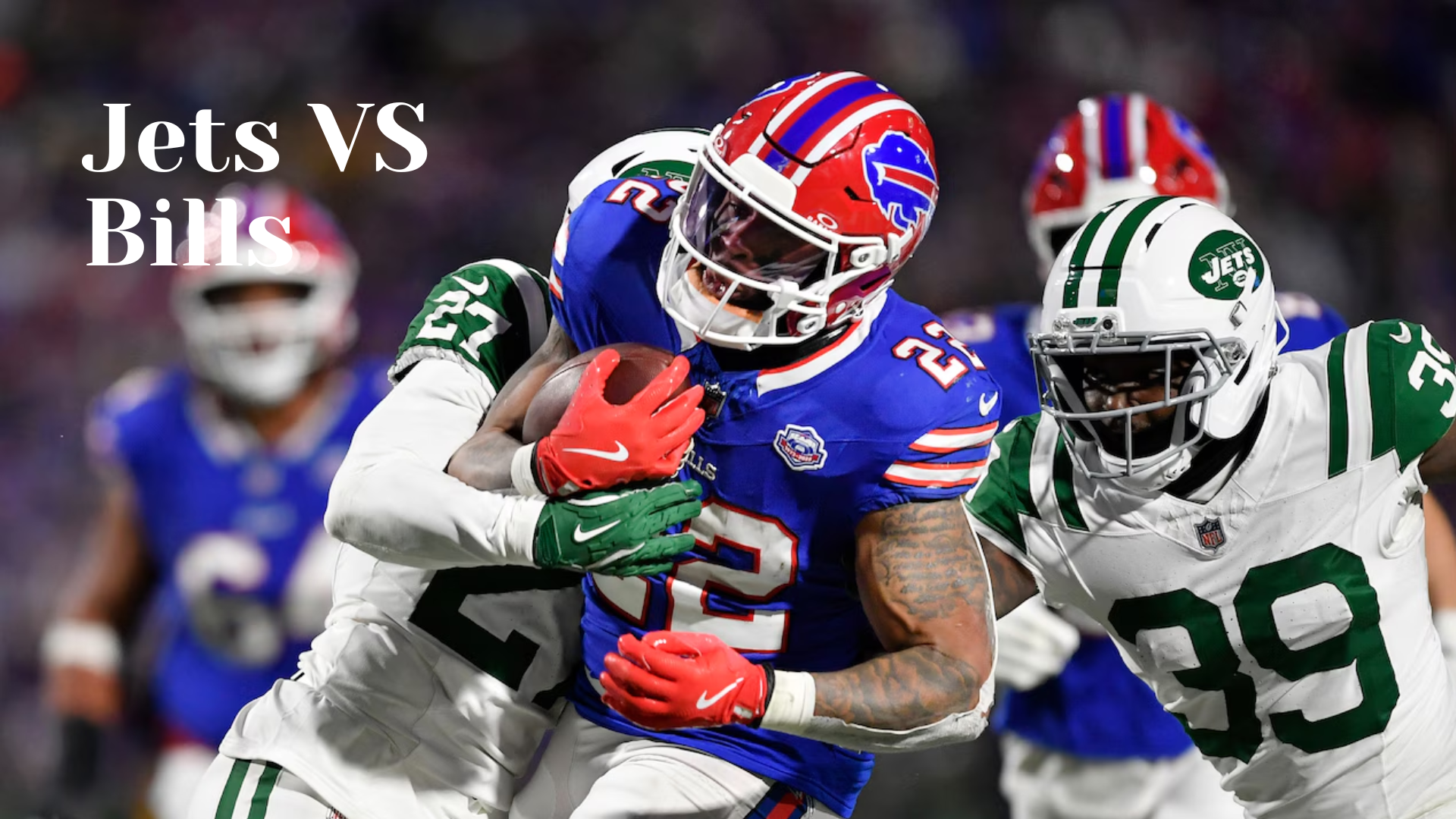
Orchard Park, New York — The Buffalo Bills capped off their 2025 regular season in convincing fashion, rolling past the New York Jets 35–8 in a Week 18 game that underscored just how divergent the two franchises’ seasons had been. The win secured the Bills their sixth straight home victory against the Jets, polished off the year at 12–5, and solidified their position as a legitimate postseason contender. For the Jets, meanwhile, the defeat sealed a disappointing 3–14 season and set the stage for a pivotal offseason and a top pick in the 2026 NFL Draft.
It was a matchup that offered little drama on the surface. Buffalo, locked into a comfortable playoff seed, entered with the mindset of winning another division game and building momentum for the postseason. New York, long eliminated from contention, fielded a roster heavy on young players and reserves, intent on gaining experience but without much stability at the most critical spots.
By the end of the day, the Bills’ dominance was clear: they outgained the Jets in virtually every offensive category, displayed depth at key positions, and capped their regular season on a high note against a division rival. The Jets, on the other hand, struggled to find rhythm on either side of the ball, finishing a season marked by inconsistency, turnovers and lineup upheaval.
How the Game Unfolded
From the opening whistle, Buffalo set the tone. Backup quarterback Mitchell Trubisky — making an impactful appearance and taking most snaps with starters rested — orchestrated a poised and efficient attack. He hit tight end Dawson Knox for a 17‑yard touchdown early in the first quarter, giving the Bills an immediate lead and signaling their control. Moments later, a direct snap to versatile weapon Ty Johnson yielded another Buffalo score, and by midway through the second quarter, the home team was comfortably ahead 21–0.
The scoring was not limited to the passing game. Buffalo’s balanced approach featured a mix of short throws, creative play‑designs and ground success that kept the Jets’ defense off balance. Ray Davis added his own score on a short pass in the red zone, and later in the third quarter the Bills extended their control with a touchdown pass to Gabe Davis. By that point, the outcome was no longer in doubt.
New York’s lone offensive highlight came late in the fourth quarter when rookie quarterback Brady Cook found tight end Andrew Beck for a short touchdown pass, capped with a two‑point conversion. The score was admirable in isolation, but it failed to significantly narrow the gap for a Jets offense that had struggled to sustain drives all afternoon.
The Jets managed only 122 total yards — a stark contrast to the Bills’ 470‑plus — and did not reach Buffalo territory with meaningful consistency until well into the second half. New York’s offense was stymied by lost starting talent, injuries, and, perhaps most tellingly, a lack of playmakers on early downs and in critical moments.
Standout Performances
Trubisky’s performance was efficient and controlled. Completing a high percentage of passes for 259 yards and four touchdowns, he proved capable of managing a Bills offense that mixed depth players with familiar veterans. Playing with a lead for most of the game allowed Buffalo to stay balanced and creative, testing different personnel groupings and seeing valuable reps from contributors behind their starters.
Ty Johnson’s performance also stood out: his rushing score and plus routes in the passing game highlighted his versatility and why the Bills trust him as a weapon when other stars are out of the lineup. His contributions helped sustain drives and kept the ground game effective throughout the afternoon.
On the defensive side, Buffalo’s unit — even with rotations and opportunities for depth players — showed a physical, disciplined presence. The Bills held the Jets to minimal yardage and limited scoring chances, never allowing New York to build sustained offensive momentum.
For the Jets, Cook’s touchdown at least provided a positive note in a tough afternoon, and a handful of Jets defenders showed competitive instincts even when outmatched. But the broader performance reflected a team that struggled to coalesce consistently this season.
What It Means for the Bills
Buffalo’s Week 18 victory came with playoff seeding and momentum in mind. Finishing at 12–5 and earning the No. 6 seed in the AFC places the Bills in a Wild Card matchup against the Jacksonville Jaguars — a task that will test both offensive firepower and defensive resilience. The team’s regular‑season performance shows stability, and head coach Sean McDermott secured his fourth season with at least 12 wins, a testament to the franchise’s consistency.
While Josh Allen — Buffalo’s usual starter and cornerstone — appeared only briefly before being pulled as part of health and rest strategy, his streak of consecutive starts remained intact. The decision to give backups extended time reflects a broader coaching philosophy: keep key players healthy entering the postseason while building confidence and experience for the next wave of contributors. Backup playmakers stepping forward this week will help depth charts and provide strategic options once the Bills shift focus to January football.
Jets: A Season of Struggles and Hope for Change
For the Jets, 2025 will be remembered as one of the franchise’s most challenging seasons. Their 3–14 record represents the culmination of injuries, roster turnover and offensive inconsistency that plagued them from Week 1 through Week 18. More than that, Sunday’s loss underscored persistent issues. New York failed to register meaningful offensive drives for most of the afternoon, and a porous defensive performance allowed Buffalo to control possession and field position.
Most striking was the Jets’ lack of first downs in the first half, reflecting broader inefficiencies across the offense. With veteran players traded or sidelined and young players pressed into large roles, the team was unable to find traction against a Bills defense that was notably aggressive and prepared even without regular starters.
In addition to the scoreline itself, the Jets face another historic negative: they have played a full season without recording an interception — a first in NFL history since the league began tracking that statistic in the 1930s. That rare and unwanted mark illustrates the broader challenge the franchise faced: creating impactful turnovers and shifting momentum in games that often felt decided early.
Despite the difficulties, the Jets have some tangible outcomes to look forward to. Thanks to tiebreakers and other results around the league, the loss against Buffalo clinched the second overall pick in the 2026 NFL Draft for New York. That position offers the franchise a real opportunity to pursue top quarterback talent or address other pressing needs as it begins a rebuild. The combination of a high draft pick and additional assets could be foundational for future competitiveness.
Head coach Aaron Glenn acknowledged responsibility after the game, emphasizing that the organization must evaluate every position group and strategic approach. While the final record was disappointing, the offseason represents a chance to reset, develop young talent, and build a more cohesive identity.
Broader Context of Jets–Bills Rivalry
Jets–Bills is a rivalry rooted in geography and history, but in recent years the trend has been one of Buffalo dominance. The Bills have won four straight meetings and a majority of recent matchups, reflecting the stability and playoff consistency Buffalo has maintained relative to New York. In contrast, the Jets have struggled to find sustained success in the post‑2010 era, with their last playoff appearance now a distant memory.
The Week 18 result fits that broader narrative, offering a clear snapshot of where each franchise stands. For the Bills, the game was a springboard into the postseason. For the Jets, it was a reminder of the work still ahead — and the importance of the offseason ahead.
Looking Ahead
Buffalo’s attention now turns fully toward the playoffs and a Wild Card matchup that will bring new challenges and opportunities. Confidence is high, and the depth players who contributed in Week 18 could factor into game plans if injuries occur or matchups warrant strategic adjustments.
New York, meanwhile, will spend January and beyond evaluating its roster and roster direction. With multiple first‑round picks and flexibility in the draft, the Jets have tools to pursue premium talent. Fans and analysts alike will be watching closely to see how the front office leverages this draft capital and how coaching and strategy evolve as the franchise attempts to alter its trajectory.
The Bills’ 35–8 victory over the Jets in Week 18 was more than a lopsided score; it was a clear reflection of contrasting seasons. Buffalo’s dominance highlighted its strengths, depth and readiness for postseason football. The Jets’ struggles underscored systemic challenges and the scale of the task ahead as they rebuild and seek a turnaround in 2026. In the end, the game offered closure to one story and opening lines for another — a fitting finale to a dramatic NFL season.