In early January 2026, the football world was surprised as the Baltimore Ravens announced the firing of John Harbaugh, ending an 18-season tenure as head coach of the franchise. Harbaugh’s departure marks one of the most significant coaching changes in recent NFL history, closing a chapter for a coach who brought consistency, discipline, and success to Baltimore. The Harbaugh name has long been synonymous with football. Alongside John, his younger brother Jim Harbaugh has also left a lasting mark in both college and professional football. The brothers have cultivated one of the most recognizable coaching legacies in modern football, highlighted by Super Bowl clashes, intense rivalries, and decades of influence on the sport.
John Harbaugh joined the Ravens as head coach in 2008. Over 18 seasons, he became a pillar of stability in the NFL, known for his attention to detail, leadership, and ability to develop players. During his time, Harbaugh guided the team to 12 playoff appearances, six division titles, and captured one Super Bowl championship in the 2012 season, solidifying his reputation as one of the league’s top coaches. Harbaugh’s teams were recognized for their defensive prowess, strategic game planning, and adaptability in high-pressure situations. Even in seasons when the Ravens missed the playoffs, the franchise remained competitive, reflecting his commitment to consistency. His leadership was particularly noted for fostering strong team culture and accountability among players, helping to maintain Baltimore’s identity as a resilient and disciplined team. Despite these accomplishments, the 2025 season ended with a disappointing 8-9 record, and the Ravens missed the playoffs. Ownership decided to part ways with Harbaugh, signaling a desire for a new direction while respecting the legacy he left. The decision shocked many fans and analysts, given his long-standing success and influence within the organization.
John Harbaugh’s career is defined by consistency, postseason success, and adaptability. Key highlights include winning the Super Bowl XLVII, a milestone that cemented his reputation as an elite coach capable of leading a team to the ultimate prize; maintaining nearly two decades of competitive teams in Baltimore, with only a few sub-.500 seasons; developing standout players, including quarterback Lamar Jackson, into All-Pro level talent through meticulous coaching and mentorship; and implementing innovative strategies in both defense and special teams, often giving the Ravens a competitive edge in tight games. Harbaugh’s departure raises questions about the Ravens’ next steps, but it also opens opportunities for him in the coaching market. Many NFL teams are expected to consider him for head coaching positions due to his extensive experience and proven track record.
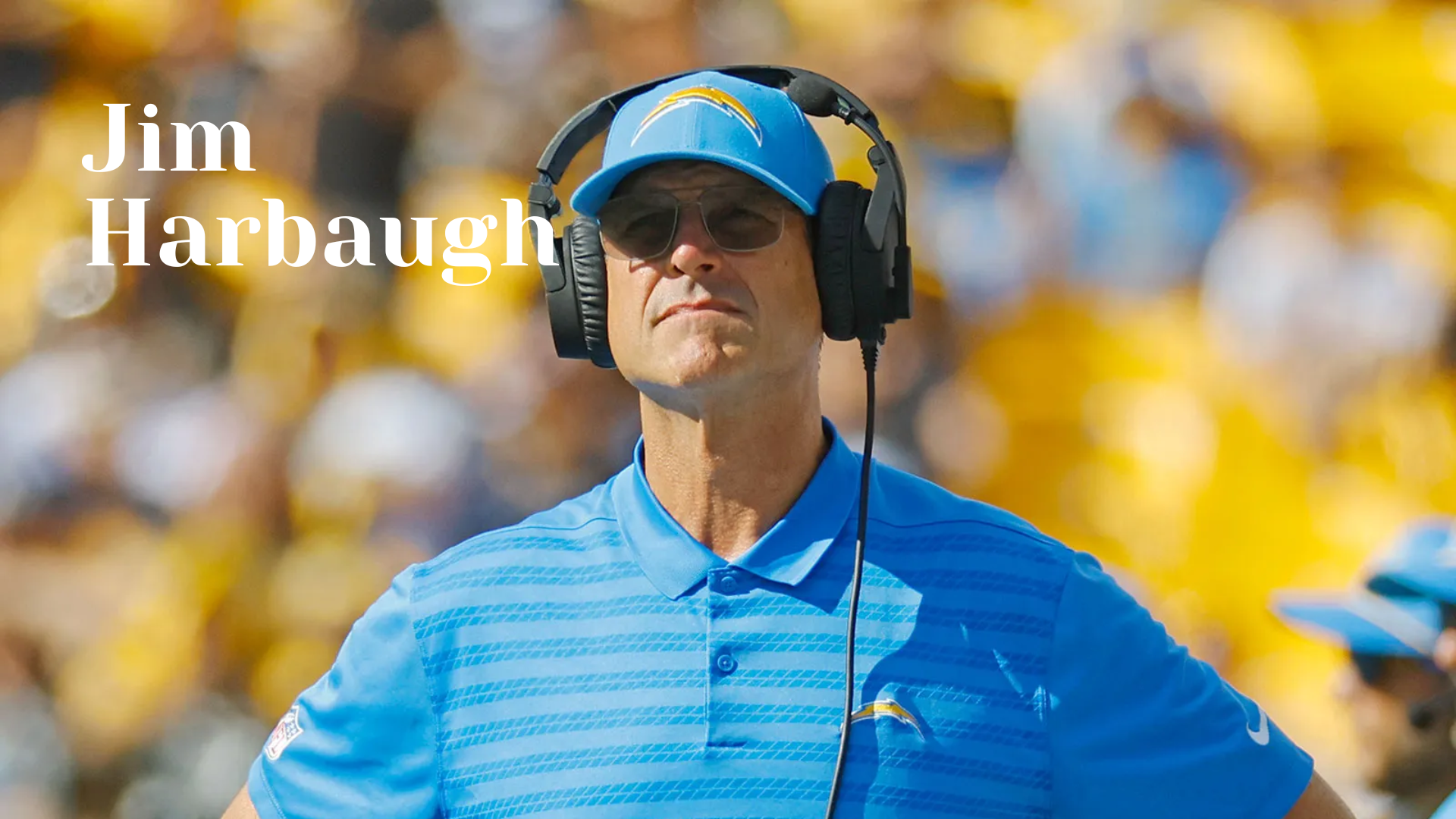
While John has been an NFL stalwart, his brother Jim Harbaugh has had a storied career across both the NFL and college football. Jim gained national attention coaching the San Francisco 49ers, leading them to NFC Championship games and a Super Bowl appearance against his brother’s Ravens team. Their matchups, including the 2013 Super Bowl, became iconic moments in football history, showcasing a rare sibling rivalry on the sport’s biggest stage. Jim later coached at the University of Michigan, revitalizing the program and leading the team to a national championship in 2023, the school’s first undisputed title in decades. In 2024, he returned to the NFL as head coach of the Los Angeles Chargers, guiding a roster that includes standout quarterback Justin Herbert. His tenure with the Chargers has been marked by strong performances and consistent playoff contention, reflecting his ability to transition success from college to the professional level.
Jim Harbaugh’s coaching style emphasizes intensity, discipline, and fundamentals, traits shared with John but adapted to different team dynamics and organizational needs. The Harbaugh brothers’ parallel coaching paths underscore their combined influence on modern football and the unique narrative of two successful siblings leading teams at the highest level. John Harbaugh’s firing signals a shift in the NFL landscape. Baltimore will now enter the offseason searching for a coach capable of building on the foundation he created while injecting new energy into the team. Potential replacements are expected to bring fresh strategies and approaches, particularly with an eye toward developing young talent and improving offensive consistency.
For John Harbaugh himself, this change could open doors to new opportunities. Experienced and highly respected in the league, he remains a sought-after candidate for teams looking for a proven leader. His familiarity with the league, playoff experience, and reputation for developing players make him an attractive option for franchises seeking immediate credibility. Meanwhile, Jim Harbaugh’s ongoing role with the Chargers positions him as a prominent figure in the league. Fans and analysts alike will continue to watch how both brothers influence NFL dynamics from different angles, each shaping the game in distinct but complementary ways.
The Harbaugh family’s contribution to football extends beyond wins and losses. Their coaching philosophies emphasize player development, innovative game strategy, leadership and culture, and resilience and adaptability. These qualities have earned them respect across college and professional football, and their legacy continues to inspire future coaches and players. The NFL offseason following John Harbaugh’s departure will be closely watched. Baltimore faces important decisions about the next head coach and how to maintain competitiveness in a challenging conference. At the same time, John’s availability is likely to be a major story, with multiple teams considering him for leadership roles. For Jim Harbaugh, the focus will remain on sustaining success with the Chargers and navigating the competitive Western Conference.
The Harbaugh brothers, despite being in separate coaching paths, remain central figures in football narratives, demonstrating how one family can leave a lasting imprint on both college and professional levels of the game. The 2026 coaching landscape is now shaped by these developments, and the Harbaugh name continues to be synonymous with leadership, strategy, and influence in American football. John Harbaugh’s legacy in Baltimore, combined with Jim’s ongoing influence in the NFL, ensures that the family will remain a major talking point for fans, analysts, and players alike, highlighting the impact one family can have on decades of football history.