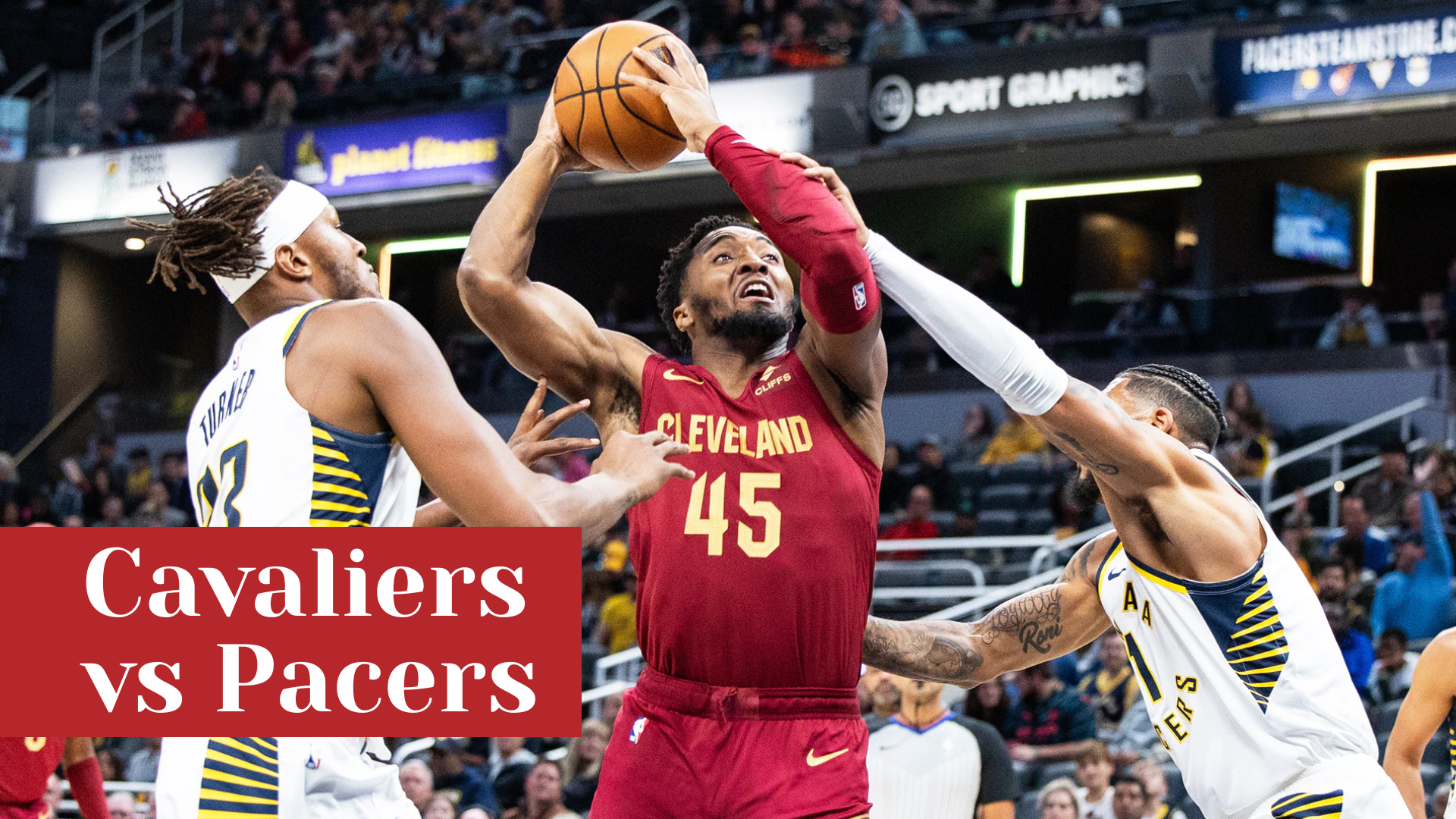
In a Monday night Eastern Conference showdown that delivered intensity, momentum swings, and clutch execution, the Cleveland Cavaliers defeated the Indiana Pacers 112‑103 at Rocket Mortgage FieldHouse. This contest served as both a measuring stick for playoff positioning and a showcase of young talent paired with veteran leadership. From the opening tip to the final buzzer, the game swung back and forth, with Cleveland’s depth and defensive adjustments ultimately making the difference in a competitive game.
Both teams entered the matchup with objectives beyond just a single win. The Cavaliers, firmly in the playoff picture, aimed to build confidence and consistency as they navigated a rigorous second half of the season. The Pacers, battling for a favorable seed themselves, looked to prove they can compete with established contenders in a deep Eastern Conference. What resulted was a balanced offensive attack from Cleveland, gritty moments from Indiana’s young core, and strategic chess matches between two coaching staffs that emphasized execution on both ends of the floor.
The Cavaliers struck early, leaning on the ball‑handling and scoring versatility of Darius Garland to establish rhythm. Garland pushed the pace but also took care of the ball, using screens and shifts in tempo to create open looks for teammates and himself. His early success set the tone for Cleveland’s offense, which prioritized movement and spacing against a disciplined Indiana defense. Garland’s ability to attack downhill forced rotations, and when the Pacers collapsed, he found cutters like Evan Mobley and Donovan Mitchell for easy finishes.
Indiana countered with a balanced start of its own. The Pacers relied on the playmaking of Tyrese Haliburton, whose court vision and ability to manipulate the defense opened scoring opportunities for multiple teammates. Haliburton’s connection with sharpshooters like Bennedict Mathurin and Aaron Nesmith tested the Cavaliers’ closeouts, and inside presence from Myles Turner provided stability on the glass and in protecting the paint. Despite trailing early, Indiana stayed within striking distance by executing well in transition and forcing Cleveland into contested shots on occasion.
As the second quarter unfolded, Cleveland’s depth began to make an impact. Role players such as Jarrett Allen asserted themselves on the boards, limiting second‑chance opportunities for Indiana and creating additional possessions on the offensive glass. Offensively, the Cavaliers benefited from spacing generated by shooter movement, allowing Mitchell to attack the rim off catch‑and‑shoot actions and pick‑and‑roll situations. Mitchell’s ability to score at all three levels — from deep threes to mid‑range pull‑ups to finishes around the basket — helped Cleveland maintain a slight edge heading into halftime.
Indiana entered the locker room trailing by just three points, a testament to its resilience and competitive execution. The Pacers leaned on a collective effort, sharing the ball and making timely rotations in the half‑court sets. Haliburton’s leadership was evident, as he dictated pace and made high‑IQ decisions that balanced scoring with assist opportunities. Turner’s rim protection kept the Cavs from easy turnovers around the paint, and Mathurin’s slashing ability provided a lift when the Pacers needed a quick bucket.
The third quarter saw Cleveland build the game’s most pivotal stretch. The Cavaliers came out of the break with renewed defensive intensity, contesting shots more aggressively and cutting off Indiana’s baseline drives. This improvement stemmed from adjustments in rotational coverage and more active hands in passing lanes, creating turnovers that Cleveland converted into transition points. Offensively, Garland and Mitchell took advantage of this surge, netting efficient mid‑range looks and knocking down perimeter jumpers when Indiana’s defense over‑committed.
Turner and Haliburton did their best to keep Indiana close, with Haliburton navigating screens effectively and Turner controlling the interior. Turner’s ability to finish through contact on post touches and clean boards helped limit the margin of error for the Pacers. However, the Cavaliers’ scoring depth eventually began to tell. Cleveland’s bench contributed timely baskets, with young players stepping into roles that produced spacing and hustle plays that kept energy high even when the starters rested.
By the end of the third quarter, the Cavaliers held a 79‑74 lead, setting up a decisive final period. Cleveland’s advantage was rooted in three areas: depth scoring, defensive rotations that generated transition opportunities, and free‑throw efficiency in late possessions. The combination of these factors created separation and forced Indiana into higher‑difficulty possessions to stay within striking distance.
The fourth quarter opened with both teams trading baskets, a sequence that showcased the competitive spirit of the matchup. The Pacers made a push, with Haliburton finding cutters and Mathurin hitting a couple of threes that trimmed the deficit to just two points early in the period. Indiana’s tenacity on defense led to a few stops, and the crowd sensed the potential for a shift in momentum. However, the Cavaliers responded with poise, relying on Mitchell’s clutch shot‑making and Garland’s ability to execute in pressure situations.
A critical stretch saw Cleveland go on an 8‑2 run, with Allen finishing through contact and forced turnovers converted into points. Those sequences underscored how the Cavaliers excelled at capitalizing on mistakes and maintaining composure in crunch time. Mitchell hit a contested three to extend the lead to six, and his scoring bursts helped keep Indiana defenders off balance as the clock wound down.
Cleveland maintained its composure down the stretch, closing the game at the free‑throw line and sealing a 112‑103 victory. The Cavaliers’ ability to execute in late possessions and limit careless turnovers allowed them to protect their lead and finish strongly against a hungry Pacers team.
Individually, Darius Garland led Cleveland with 27 points and 9 assists, showcasing his ability to control tempo while creating for teammates. Donovan Mitchell added 25 points, including key buckets in the fourth quarter that quelled Indiana’s comeback attempts. Jarrett Allen chipped in 14 points and 12 rebounds, anchoring the paint with both scoring and rebounding presence. On the Pacers’ side, Tyrese Haliburton produced a strong all‑around effort with 24 points and 11 assists, proving instrumental in keeping Indiana competitive throughout. Bennedict Mathurin supplied 20 points, including several timely threes that energized the Pacers during key sequences. Myles Turner finished with 15 points and 8 rebounds, offering interior toughness against Cleveland’s size advantage.
From a strategic standpoint, Cavaliers coach J.B. Bickerstaff praised his team’s defensive adjustments and continued emphasis on sharing the ball. Cleveland’s ability to rotate on closeouts, contest shots without fouling, and secure defensive rebounds were consistent themes throughout the game that contributed to their late lead. Bickerstaff highlighted the importance of maintaining aggression without sacrificing discipline, especially against an Indiana team capable of quick scoring runs.
Pacers coach Rick Carlisle spoke after the game about his team’s growth and resilience, noting that even in defeat, his young squad demonstrated areas of improvement. Carlisle emphasized halting transition opportunities for opponents and executing late‑clock offense as areas of focus moving forward. Indiana’s ability to run effective offensive sets, share the ball, and compete through defensive assignments were positive signs despite the loss.
The Cavs’ victory has implications for the Eastern Conference standings. This win bolstered Cleveland’s position among the upper tier of playoff contenders, reinforcing its ability to compete against teams with similar or higher seeding aspirations. The Cavaliers’ consistent execution, particularly in fourth quarters, has been a hallmark of their season and suggests they can be a difficult team to beat in tight contests. For Indiana, the loss highlighted the competitiveness of the playoff hunt and emphasized the importance of consistency in defensive execution and closing possessions under pressure. The Pacers have shown they can challenge quality opponents, but converting tight early leads into victories remains an area for refinement.
Fan and analyst reactions focused on Cleveland’s depth and ability to execute late in the game. Commentators pointed to the Cavaliers’ balanced scoring attack and the poise of their star backcourt as key differentiators in a matchup that remained close until the final period. Meanwhile, Indiana’s young talent was praised for its energy and fearless approach, even if the team fell short. Pacers faithful remain optimistic about the long term, pointing to the growth of Haliburton, Mathurin, and Turner as foundations to build around.
Looking ahead in the season, both teams will take valuable lessons from this game. The Cavaliers will aim to maintain momentum and reinforce their defensive identity while fine‑tuning late‑game execution. The Pacers, with a mix of youth and emerging talent, will focus on consistency and reducing turnovers in critical stretches. As the Eastern Conference race tightens, games like Cavaliers vs Pacers highlight the fine margins between seeding positions, playoff aspirations, and the need for sustained excellence throughout the season. This memorable game provided fans with high‑level basketball, meaningful competition, and a view of two teams capable of challenging deep into the postseason with continued growth and execution.