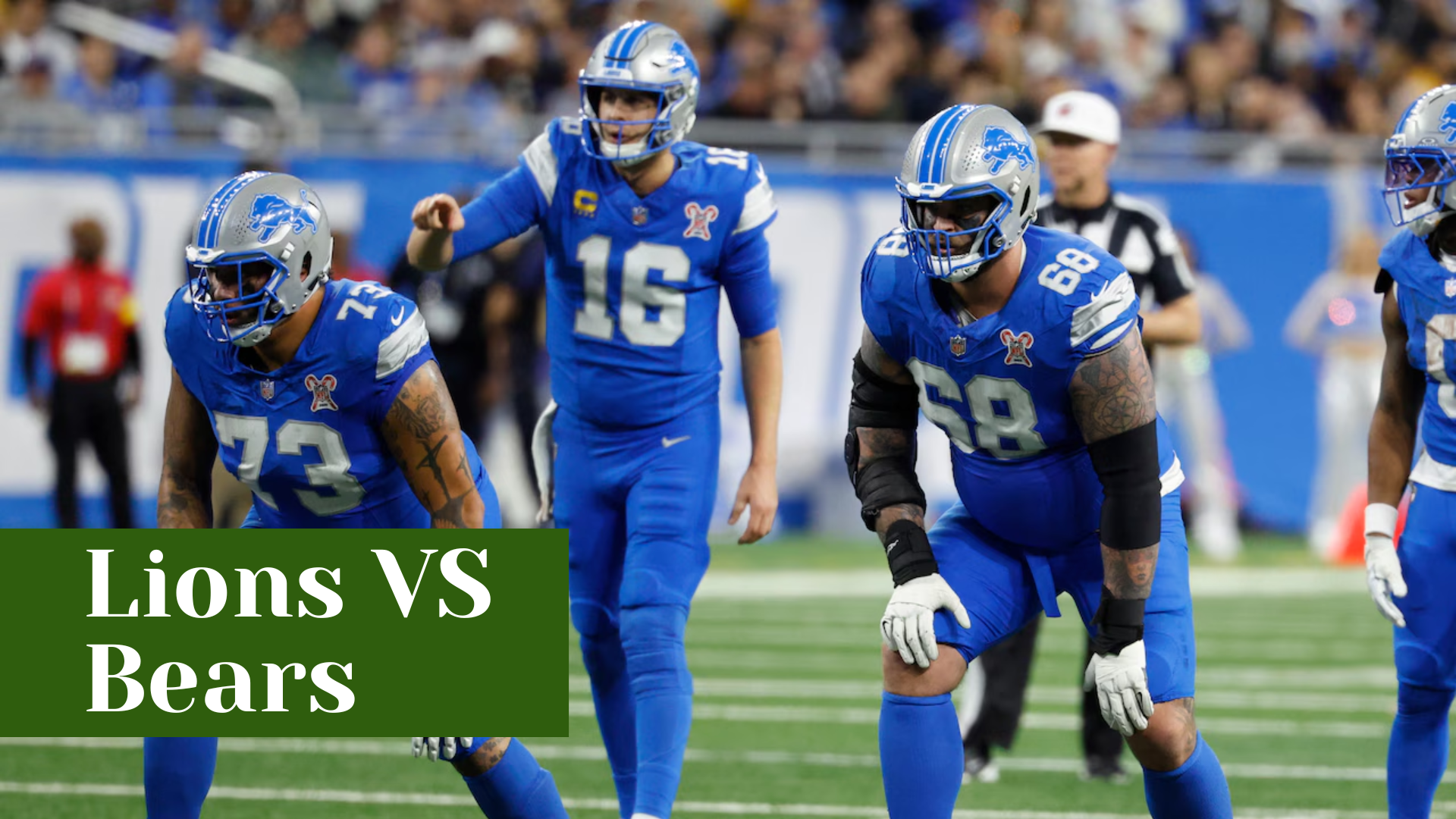
Chicago — In a game that lived up to the storied rivalry between the Detroit Lions and Chicago Bears, the Lions eked out a 23‑20 victory at Soldier Field on Sunday afternoon. This clash between two historic franchises unfolded as a back‑and‑forth tactical battle, with momentum swings, clutch plays and a tense finish that kept fans engaged until the final whistle.
For both teams, this contest had significance not just in the standings but in reaffirming identity. The Lions entered as an ascending team seeking consistency and postseason position, while the Bears aimed to prove resilience and competitive progress under a young roster. What resulted was a competitive gridiron chess match that hinged on execution, situational play and poise under pressure.
First Quarter: Feeling One Another Out
The game opened with both offenses testing the defensive fronts and rising stars on each side. The Bears won the coin toss and elected to receive, but the opening drive stalled as Detroit’s defensive line applied early pressure. Bears quarterback Tyson Bagent mixed short passing with a few designed runs, but a third‑down stop by the Lions forced Chicago to punt.
Detroit’s offense responded with a methodical drive of its own, keyed by short passes and a couple of effective runs by their backfield duo. Quarterback Jared Goff demonstrated patience in the pocket, hitting his primary read before progressing through his progression to keep the chains moving. A manageable field‑goal attempt was knocked through, and Detroit took a 3‑0 lead.
The rest of the first quarter continued in a similar competitive rhythm. Neither defense gave much ground, and both offenses were meticulous in prioritizing possession and ball security. By the end of the quarter, it was clear that this game would be decided by critical execution rather than explosive outbursts.
Second Quarter: Exchanges and Adjustments
The second quarter saw both teams adjust with tactical precision. The Bears, trailing by three, looked to establish balance by mixing Bagent’s short, rhythm‑building passes with runs aimed at keeping the chains moving. Chicago’s offensive line opened just enough space to get into manageable third‑down situations, but the Lions’ disciplined linebackers and secondary limited big plays through the middle of the field.
Detroit’s offense, meanwhile, found success on crossing routes and timing patterns that put stress on the Bears’ zone schemes. Goff’s connection with his tight ends in short areas helped sustain drives, and Detroit added another field goal to extend its lead to 6‑0 midway through the second quarter.
The Bears answered with a sustained drive that culminated in their first points of the game — a field goal that cut the deficit to 6‑3. Chicago’s offensive rhythm improved noticeably during this stretch, with multiple third‑down conversions keeping the Lions’ defense on the field.
In the final minutes before halftime, both teams traded possessions without dramatic results, but Chicago was able to flip field position with a well‑executed punt that pinned Detroit deep. The half concluded with the Lions leading by three, 6‑3, leaving both fan bases eager for a more explosive second half.
Third Quarter: Momentum Shifts and Physical Play
After teams traded halftime adjustments, the third quarter started with renewed energy. The Bears received the ball first and mounted a strong drive that culminated in their first touchdown of the game. Bagent hit a crossing route over the middle, allowing his receiver to gain extra yardage after the catch for the score. That play gave Chicago a 10‑6 lead and ignited the home crowd.
Detroit responded with urgency. The Lions’ offensive coordinator dialed up a sequence of intermediate passes, mixing in a key fourth‑down conversion that kept the drive alive. Goff, showing experience under pressure, effectively managed the clock and distribution, ultimately finding his tight end in the end zone for a touchdown that put Detroit back on top, 13‑10.
From that point, the defensive play intensified. Detroit’s secondary broke up a couple of long pass attempts, and Chicago’s front seven brought pressure that forced a hurried punt. Both teams were trading stops, and physical tackling was on display across the field. Neither side allowed sustained rhythm, reflecting defensive preparation and discipline.
Fourth Quarter: Clutch Plays and Thin Margins
The fourth quarter opened with both teams searching for momentum. Chicago reclaimed the lead with a short rushing touchdown that showcased power running and effective red‑zone execution. Suddenly, the Bears were up 17‑13, and the stadium’s energy spiked as the home team appeared ready to seize control.
Detroit, however, remained composed. Goff led a thoughtful response, mixing runs with play‑action passes that forced the Bears to hesitate in their defensive approach. A clutch third‑down conversion in Bears territory extended the drive, and Detroit eventually settled for a field goal that tied the score at 17‑17.
With roughly eight minutes remaining, both teams began to tilt toward conservative play calls, aware that turnovers or mistakes could be decisive. Chicago managed to kick a field goal to take a 20‑17 lead midway through the quarter. Detroit’s next drive was characterized by clock control and situational awareness, and when they reached field‑goal range, the Lions’ kicker delivered cleanly to tie the game once again.
With seconds remaining in regulation and the score knotted at 20‑20, Chicago had an opportunity to set up a game‑winning attempt, but Detroit’s defense held firm in the red zone, forcing an incompletion on a desperation heave.
Overtime Drama and Deciding Moments
The game moved into overtime under NFC sudden‑death rules. The Lions won the coin toss and chose to receive, valuing possession and field position. Detroit’s opening drive was a model of balance — short completions, strategic runs and disciplined clock management. Goff executed with precision, avoiding risky throws and keeping the drive methodical.
As the field compressed in the red zone, a well‑timed play‑action pass resulted in a short touchdown that ended the game immediately, giving the Lions a hard‑earned 23‑20 overtime victory.
Individual Performances and Statistical Highlights
Jared Goff’s performance was emblematic of veteran poise. He completed a significant percentage of his attempts, avoided turnovers, and delivered when it mattered most — especially on the overtime drive. His connection with Detroit’s tight ends and possession receivers proved crucial in sustaining long, clock‑eating drives.
Tyson Bagent, for Chicago, demonstrated growth and competitive resilience. His touchdown pass and overall command of the offense reflected progression in his ability to lead the team in clutch situations. While the final outcome was not in his favor, his performance in a hostile environment was commendable.
Defensively for Detroit, the front seven applied consistent pressure that limited the Bears’ backfield effectiveness, particularly in the run game. The secondary’s tight coverage disrupted timing routes and forced Chicago into contested throws.
Chicago’s defense also had its moments. Edge rushers affected several Lions’ dropbacks, and a couple of third‑down stops kept the game within reach late in regulation.
Coaching and Strategic Adjustments
Detroit’s offensive coordinator emphasized ball security and situational play calling throughout, leaning on balanced drives and clock management to stay in control during critical stretches. The decision to trust Goff in short‑to‑intermediate patterns while protecting against big plays helped maintain stability.
Chicago’s coaching staff focused on leveraging Bagent’s mobility and precision on intermediate routes, a plan that generated momentum in the second and early third quarters. In the red zone, Chicago executed efficiently when they found favorable matchups, though late opportunities slipped away in overtime.
Implications for the Division and Postseason
The Lions’ victory improved their record and kept them in strong position within the NFC playoff picture. With the win, Detroit strengthened its chances of clinching a postseason berth and gaining momentum heading into a critical final week. The comeback and overtime success showcased resilience that coaching staff and players hope to build upon.
For the Bears, the loss was a tough blow in a game they controlled at key moments. While their season remains shaped by youth and developmental progress, close losses like this one underscore areas for refinement — particularly in late‑game execution and situational decision‑making.
Fan and Media Reaction
Fans on both sides were vocal throughout the contest, with Soldier Field’s crowd creating an energetic atmosphere. Postgame reactions focused on the tactical tightness of the matchup, Goff’s veteran leadership, and the excitement of an overtime finish. Analysts noted that this rivalry — one of the NFC North’s most consistent — produced a classic encounter defined by small margins and disciplined execution.
Broader Context
Games like Lions vs Bears remind observers why divisional football matters. Familiar opponents bring a level of intensity that regular matchups cannot replicate, and in a season where playoff positioning is tightly contested, every scoring play and defensive stop carries added weight.
Detroit’s triumph in Chicago served as a statement about their growth as a competitive team, while the Bears’ spirited effort highlighted potential for future success.
The Detroit Lions’ 23‑20 overtime win over the Chicago Bears was a display of strategic football, situational discipline and emotional resilience. From the rain‑soaked exchanges in the second quarter to the decisive overtime drive, both teams showcased competitive spirit and tactical execution. For Detroit, the victory was a valuable step in their season’s push; for Chicago, the performance — even in defeat — provided encouraging signs for the future. Fans were treated to a drama‑rich divisional game that honored the long history between these two NFC North rivals, and both teams now look ahead to the next chapter in their 2025 campaigns.