MANCHESTER — On a chilly Saturday afternoon that brought one of English football’s most anticipated fixtures back into the spotlight, Manchester United and Newcastle United delivered a memorable Premier League battle at Old Trafford. In a game filled with tactical shifts, spirited performances and a late twist, United emerged with a narrow but telling 2–1 victory, ending a difficult stretch and reigniting optimism among supporters.
The result will be dissected by fans and pundits alike, not just for the scoreline, but for what it reveals about both teams’ evolving identities this season. For Manchester United, it was a much‑needed boost in confidence and league positioning. For Newcastle, it was another gritty performance that underlined both progress and the fine margins that define elite competition.
First Half: High Tempo, Few Chances
From the opening whistle, the tone was set by intensity. Both sides pressed with urgency and an awareness of each other’s strengths. Manchester United, playing at home in front of a roaring crowd, sought to assert control early. They probed down the flanks, relied on quick transitions and looked to draw Newcastle into a high‑tempo exchange.
Newcastle, known for their structured and disciplined setup under head coach Eddie Howe, absorbed much of the early pressure and sought to exploit space on the counterattack. Their midfield lines stayed compact, waiting for opportunities to break forward through switches of play or fast vertical passes.
Despite good energy from both sides, clear chances were limited in the first 30 minutes. United’s forward runs were occasionally cut off by Newcastle’s organized defensive blocks, while the visitors’ transitions lacked precision at key moments. The crowd grew quieter as time went on, sensing this would be a battle of patience rather than instant fireworks.
A Breakthrough Before Half‑Time
The deadlock finally broke shortly before the half‑time whistle, much to the relief of the home supporters. United’s persistence paid off when a slick sequence of quick passes opened a seam in the Newcastle defense. A low cross into the box was met with a composed finish by United’s forward, who guided the ball neatly past the goalkeeper.
It was the sort of moment United had been building toward: pressure patiently applied until a breakthrough appeared. The goal lifted Old Trafford’s energy and gave United a slight edge going into the break.
For Newcastle, conceding late in the half was frustrating but not demoralizing. They remained poised and focused on regrouping during the interval, believing they could find solution routes against a home side committed to pressing high.
Second Half: Newcastle Responds
The second half began with Newcastle showing renewed vigor. Their midfield pressed more aggressively, and their wingers looked to stretch the United defense. Within ten minutes of the restart, Newcastle drew level with a well‑taken goal that came from quick one‑twos on the edge of the penalty area. A clever through ball split defenders and allowed Newcastle’s attacker to finish clinically.
At 1–1, the game felt wide open. Both teams saw glimpses of control without truly dominating. United’s manager made adjustments, introducing fresh legs in midfield to regain tempo. Newcastle responded with tactical tweaks designed to maintain balance while still threatening with pace.
The crowd, sensing the pendulum swing, grew vocal again. Old Trafford’s atmosphere mirrored the tension on the pitch: chants, surges of noise, and moments of collective breath‑holding whenever either side approached the box.
Tactical Battles and Key Performances
This game was not just about goals; it was a tactical chess match. United’s manager showed willingness to adapt his formation mid‑game, shifting to a more fluid midfield when defending and a sharper attacking shape when in possession. Newcastle’s coach countered with disciplined defensive blocks and calculated forward bursts designed to break rhythm.
Several players stood out for their impact. United’s captain, positioned deeper in midfield, acted as a pivot for many of his team’s forward moves, linking up defense to attack with crisp passes and timely interceptions. At the other end, Newcastle’s central defender marshaled his back line with authority, winning aerial duels and sliding into crucial tackles at key moments.
In goal, both keepers produced important stops, with United’s goalkeeper making a reflex save in the second half that prevented Newcastle from going ahead, and Newcastle’s keeper showing sharp reactions to keep his team level on several occasions.
The Winning Moment
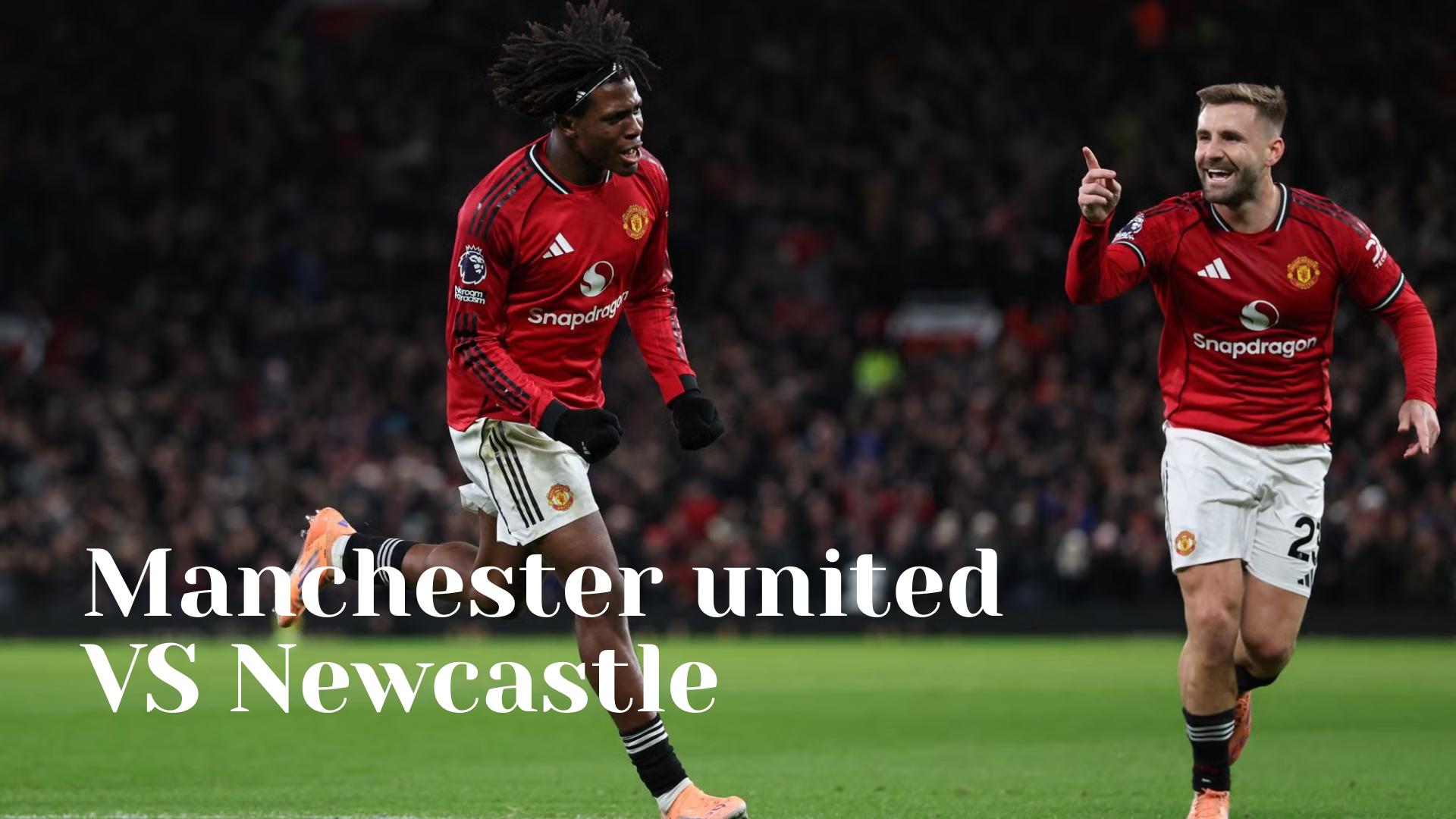
The decisive moment came late in the second half. United won a free kick in a dangerous area after a clever run drew a foul just outside the penalty box. The stadium held its breath as the set play was delivered. A well‑struck ball reached the feet of United’s forward, who turned sharply and slotted it past the defender to curl the ball into the bottom corner.
2–1. United fans erupted. The lead felt deserved but not guaranteed. Newcastle still had time to respond, but United’s defense held strong, showing composure and organization that had sometimes been missing earlier in the season.
What This Result Means for United
For Manchester United, this win matters on multiple levels. It halts a recent run of inconsistent results and injects belief back into a dressing room that has faced criticism. Rising to the occasion against quality opposition like Newcastle highlights United’s potential when tactical discipline aligns with individual creativity.
The victory also has implications for the club’s league ambitions. While not a title‑defining win, it reinforces United’s presence in the upper half of the table and keeps them well within striking distance of key European qualification positions. In a league where momentum is currency, this result offers United a psychological boost as competitions intensify in the new year.
What This Result Means for Newcastle
Newcastle left Manchester with heads held high despite the narrow loss. Their performance, especially the way they responded after conceding first, showed character and tactical maturity. The goal they scored was a reminder of their attacking threat, and their defenders competed resolutely against a potent United attack.
Still, the loss highlights areas Newcastle will aim to refine, particularly in transition defense and set‑piece organization. In a division where fine margins often decide outcomes, tightening those aspects will be crucial as they push toward their own seasonal objectives.
Fans and Atmosphere
Old Trafford’s crowd was a central character in this narrative. From kick‑off through the closing minutes, the stadium swung between quiet anticipation and roaring celebration. Every goal, every save and every key tackle drew collective reactions that underscored just how much passion this fixture generates.
Supporters on both sides praised the intensity and quality of play, noting that the game felt like a return to classic Premier League drama — a league known for its unpredictable outcomes and emotional swings.
Looking Ahead
Both teams now turn their attention to upcoming fixtures with lessons learned. United will look to build on this momentum, carrying the confidence gained into future home and away games. Newcastle, reflective but undeterred, will target improvements that could convert tightly contested games into positive results.
In a league where narratives shift quickly and every game counts, this Manchester United vs Newcastle match will be remembered as one of the most exciting and meaningful contests of the midseason.
For fans, players and coaches alike, the game reinforced a simple truth about English football: on any given day, fierce competition and unwavering spirit can produce drama worthy of the grandest stage.