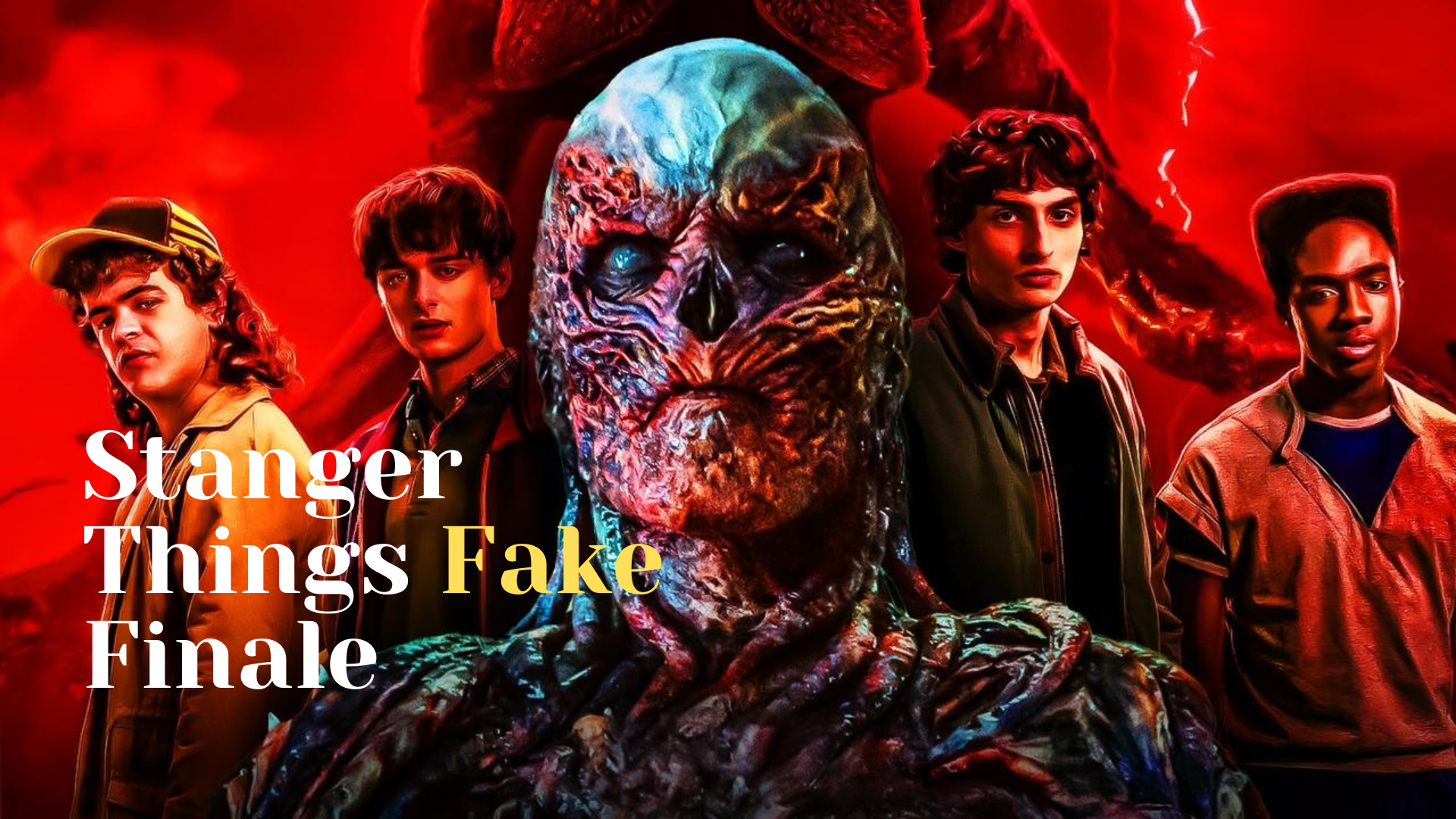
As Stranger Things reached its long-awaited conclusion on Netflix, few expected the conversation to continue at such an intense level after the final episode aired. Yet within days of the Season 5 finale’s release, a fan-driven theory known as “Conformity Gate” surged across social media platforms, drawing millions of views, debates, and interpretations. The theory challenges the legitimacy of the show’s ending and claims that what audiences watched may not represent the true conclusion of the story. While the idea has captured attention worldwide, it remains firmly in the realm of fan speculation rather than confirmed storytelling.
The emergence of Conformity Gate reflects the deep emotional connection viewers have formed with Stranger Things since its debut in 2016. Over nearly a decade, the series evolved from a small-town supernatural mystery into a cultural phenomenon. As the final season arrived, expectations were exceptionally high, and the conclusion carried the weight of years of character development, unresolved tension, and emotional investment. For some fans, the finale felt satisfying and reflective. For others, it raised questions that sparked alternative interpretations almost immediately.
At the heart of Conformity Gate is the belief that the final episode’s epilogue presents an artificial or manipulated reality rather than an authentic resolution. Supporters of the theory argue that the tone of the ending felt unusually calm, orderly, and predictable compared to the darker, more chaotic storytelling that defined much of the series. According to this interpretation, the sense of normalcy shown in the final scenes is not a reward earned by victory but a constructed illusion imposed on the characters.
Fans who support Conformity Gate point to visual details and narrative choices that they believe suggest something is wrong beneath the surface. These include symmetrical staging in group scenes, repeated gestures among characters, muted emotional reactions, and what some interpret as inconsistencies in behavior or environment. Within the theory, these moments are not viewed as production decisions or stylistic choices but as deliberate signals that the characters are trapped in a false reality shaped by the show’s primary antagonist.
The idea of a false ending resonates with themes already present throughout Stranger Things. The series frequently explored mind control, alternate dimensions, psychological manipulation, and distorted perception. Vecna, in particular, was established as a villain who weaponized trauma and illusion. Because of this foundation, some viewers found it easy to believe the final chapter might include one last deception, either for the characters, the audience, or both.
Another reason Conformity Gate gained traction is timing. As soon as the finale dropped, social media platforms were flooded with frame-by-frame analyses, theories, and emotional reactions. In such environments, speculation spreads rapidly, especially when viewers are actively searching for deeper meaning or hidden layers. The theory also benefited from collective pattern-seeking, where isolated details were connected into a broader narrative that felt cohesive to its supporters.
Some fans took the theory further, suggesting that the ending was intentionally designed to appear incomplete or artificial and that additional content could follow. Claims circulated that an extra episode or alternate ending might be released later, revealing the truth behind the supposed illusion. These claims intensified discussions but were based entirely on interpretation rather than confirmed information.
Despite its popularity, Conformity Gate has not been supported by any official confirmation. The final season of Stranger Things was promoted as a complete conclusion, and the released episodes align with what was announced ahead of time. Statements from those involved with the series have consistently treated the finale as the definitive ending of the main story. There has been no indication of a hidden chapter, delayed episode, or alternate narrative conclusion tied to the primary storyline.
Cast members have spoken publicly about saying goodbye to their characters and the emotional weight of filming the final scenes, reinforcing the idea that what viewers saw was intended as the final chapter. Behind-the-scenes discussions have focused on closure, reflection, and legacy rather than secrecy or misdirection. From a production standpoint, the logistical challenges of concealing an entire additional episode would be considerable, making the theory unlikely beyond fan imagination.
Still, the persistence of Conformity Gate highlights an important reality about modern television fandom. Audiences today are more engaged, analytical, and vocal than ever before. Streaming platforms allow for immediate rewatching, slow-motion analysis, and instant discussion. In this environment, even small creative choices can become the foundation for large-scale theories, especially when viewers feel emotionally conflicted about an ending.
Not all fans view Conformity Gate skeptically. Some appreciate it as a creative exercise rather than a literal belief. For these viewers, the theory adds an additional layer of engagement and keeps the world of Stranger Things alive beyond its conclusion. It allows fans to reexamine the story through a different lens, even if they accept that the official ending stands as written.
Others, however, argue that Conformity Gate reflects a broader difficulty audiences sometimes face in accepting closure. After years of anticipation, no ending can fully satisfy every viewer. In this view, the theory represents disappointment redirected into reinterpretation rather than evidence of hidden storytelling. Critics of the theory emphasize that ambiguity and restraint can be intentional creative choices rather than signs of deception.
From a thematic standpoint, the finale focused heavily on growth, survival, and the transition from childhood to adulthood. The calmer tone of the epilogue may reflect this shift rather than a fabricated reality. After seasons dominated by fear and loss, the ending aimed to show the characters moving forward, shaped by their experiences but no longer defined solely by them. Whether viewers found this approach fulfilling often depends on personal expectation rather than narrative failure.
As the conversation continues, Conformity Gate remains a testament to the cultural impact of Stranger Things. Few series inspire this level of post-finale analysis, and fewer still maintain relevance after their conclusion. The theory has kept the show trending, generated countless discussions, and ensured that the final season remains part of the public conversation long after release.
Looking ahead, while the main story has ended, the Stranger Things universe is expected to expand through related projects and creative extensions. These future developments may explore new characters or timelines, but they do not change the conclusion of the original narrative. For fans invested in Conformity Gate, these expansions may offer additional context or thematic echoes, though not confirmation of the theory itself.
In the end, Conformity Gate stands as an example of how storytelling does not always end when the screen fades to black. For some viewers, the official ending of Stranger Things brought closure and reflection. For others, it opened the door to reinterpretation and debate. While the theory remains unconfirmed and unofficial, its popularity underscores the lasting influence of the series and the powerful connection between story, audience, and imagination.