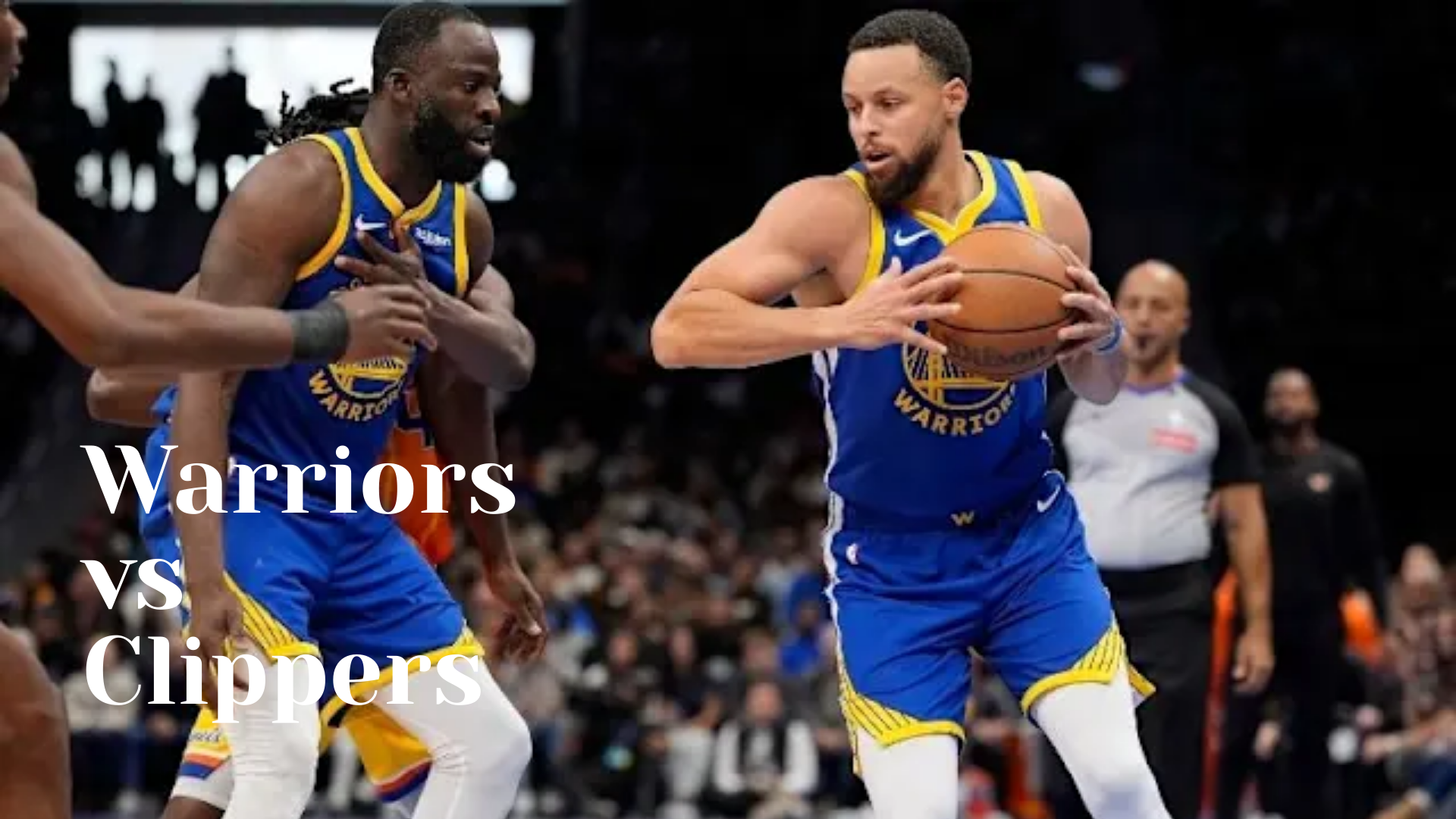
In a marquee Western Conference matchup, the Golden State Warriors pulled off a 119‑112 victory over the Los Angeles Clippers at Chase Center, in a game that highlighted resilience, strategic execution, and the growing depth of both teams. The matchup, featuring two of the most competitive rosters in the West, offered fans a glimpse of playoff-level intensity, even in the midst of the regular season.
Both teams entered the contest with strong records and playoff aspirations, making this a key early benchmark for seeding and momentum. While the Warriors came in riding a streak of consistent play, the Clippers sought to assert their presence against one of the conference’s top-tier teams, relying on a mix of veteran leadership and emerging contributors.
First Quarter: Clippers Strike Early
The Clippers opened the game aggressively, capitalizing on Golden State’s early defensive lapses. Kawhi Leonard initiated several scoring sequences with mid-range jumpers and drives to the basket, while Paul George contributed off the catch-and-shoot game, stretching the Warriors’ defense. Early ball movement and aggressive transition play allowed the Clippers to take a 32‑27 lead by the end of the first quarter.
Golden State responded with its trademark spacing and ball movement. Stephen Curry, creating multiple scoring opportunities off screens, scored several key threes, and Klay Thompson provided spacing with effective corner shooting. The Warriors’ ability to generate open looks despite Clippers’ early pressure kept them within striking distance.
Second Quarter: Warriors Regain Momentum
The second quarter highlighted Golden State’s adjustments. Coach Steve Kerr emphasized defensive rotations, limiting the Clippers’ driving lanes and forcing contested perimeter shots. Curry’s scoring stayed consistent, but it was Andrew Wiggins and Kevon Looney who helped swing momentum by crashing the boards, scoring inside, and providing energy plays on both ends.
Clippers’ offense relied heavily on Leonard and George, but as the quarter progressed, the Warriors’ defense began to disrupt passing lanes and create turnovers. Several fast-break opportunities resulted in easy points for Golden State, allowing the home team to close the half with a 58‑55 lead.
Third Quarter: Back-and-Forth Battle
The third quarter emerged as a seesaw battle. The Clippers, determined not to relinquish the lead, intensified ball movement and incorporated secondary scoring options. Reggie Jackson and Ivica Zubac were instrumental, with Jackson hitting pull-up jumpers and Zubac controlling the paint on both ends. The Clippers regained a brief lead midway through the quarter, putting Golden State on their heels.
The Warriors, however, demonstrated poise. Curry’s ability to create off the dribble, coupled with Thompson’s catch-and-shoot reliability, enabled Golden State to respond effectively. Wiggins’ athleticism and defensive pressure helped force key turnovers, leading to transition baskets that maintained the Warriors’ edge. By the end of the third quarter, Golden State led 88‑85, setting up a pivotal fourth quarter.
Fourth Quarter: Closing Execution
The final quarter highlighted execution under pressure. Both teams traded leads early, with critical baskets from Curry, Leonard, and George keeping the score tight. As minutes dwindled, Golden State leveraged its spacing and deep shooting threat to stretch the Clippers’ defense. Curry knocked down a trio of timely threes, and Thompson added a corner jumper that extended the lead to six points with under three minutes remaining.
The Clippers pressed, seeking a late rally. Leonard and George produced tough mid-range shots, and Zubac contributed with an offensive rebound and putback to narrow the gap. However, defensive lapses and missed free throws under pressure limited the Clippers’ comeback attempt. Golden State’s balanced scoring and disciplined ball movement in the final possessions sealed the 119‑112 win.
Player Performances
Golden State Warriors
- Stephen Curry led all scorers with 34 points, hitting multiple clutch threes and demonstrating his typical court vision and playmaking ability.
- Klay Thompson contributed 22 points, emphasizing efficiency from beyond the arc and providing spacing essential for the Warriors’ offense.
- Andrew Wiggins recorded a double-double, adding 18 points and 12 rebounds, anchoring both ends and providing valuable defensive versatility.
- Kevon Looney had 10 points and 14 rebounds, including critical defensive boards in the fourth quarter that helped secure possession and prevent Clippers’ fast-break opportunities.
Los Angeles Clippers
- Kawhi Leonard scored 30 points, with several key baskets under pressure, showing his ability to lead and influence the game both offensively and defensively.
- Paul George contributed 27 points, including efficient three-point shooting, although some defensive lapses limited the overall impact.
- Ivica Zubac had 15 points and 11 rebounds, controlling the paint and providing a steady interior presence.
- Reggie Jackson added 14 points, hitting mid-range jumpers and making plays off the ball to keep the Clippers competitive.
Coaching and Strategy
Steve Kerr’s approach emphasized ball movement, spacing, and transition scoring. Golden State’s defensive rotations and ability to force contested shots in the fourth quarter were decisive, as the Warriors capitalized on turnovers and converted them into easy points. Kerr’s rotation choices, particularly trusting Wiggins and Looney in crunch time, reinforced the team’s balance and depth.
Clippers coach Tyronn Lue focused on isolation plays for Leonard and George, while relying on Zubac’s interior presence. While effective in stretches, the strategy faced challenges as Golden State’s shooters spread the floor and created passing lanes that exposed the Clippers’ defense.
Key Takeaways
This game underscored the depth and competitiveness of both Western Conference rosters. Golden State demonstrated why its combination of shooting, ball movement, and versatile defensive schemes remain elite. For the Clippers, the contest highlighted the need for tighter defensive rotations and better late-game execution, while reinforcing the offensive impact of their veteran leaders.
The Warriors’ ability to perform under pressure, maintain offensive efficiency, and capitalize on opponent mistakes is a hallmark of playoff-ready teams. The Clippers, while falling short, showcased resilience and talent that could be pivotal in the postseason if adjustments are made.
Broader Implications
The win boosts Golden State’s confidence and seeding prospects in the Western Conference. It also serves as a reaffirmation of the Warriors’ continued ability to compete against elite teams on both ends of the floor. For the Clippers, the loss is a reminder of the challenges of closing tight games against versatile opponents and may inform rotation and strategy adjustments moving forward.
The matchup also offered fans a preview of potential playoff storylines, particularly if these teams meet later in the postseason. With both teams featuring star-laden rosters, the intensity, execution, and adaptability displayed here are likely to be key factors in any future playoff encounter.
Fan and Media Reaction
Fans praised the high-level play, particularly Curry’s leadership and shooting, while analysts noted the balanced attack and defensive adjustments that made the difference. Clippers supporters expressed optimism about individual performances but highlighted the need for better cohesion in late-game situations. Social media discussions centered on the fourth-quarter execution and the contrast between Golden State’s depth and the Clippers’ reliance on star scoring.
Looking Ahead
Both teams will turn attention to upcoming matchups and the remaining regular season games. Golden State aims to maintain momentum and sharpen rotations, while the Clippers focus on defensive discipline and integrating secondary scorers to reduce pressure on Leonard and George.
The contest exemplified Western Conference intensity and provided a microcosm of what makes NBA basketball compelling: high stakes, star performances, strategic coaching decisions, and momentum swings that can change the outcome in seconds. The 119‑112 finish may be a single game, but the lessons, confidence, and insights will carry into the stretch run of the season and, potentially, into playoff matchups.